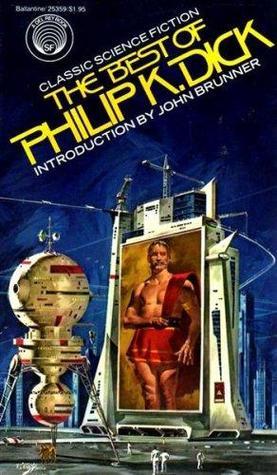
The Best of Philip K. Dick
Book Description
Reality bends and perspective shifts in "The Best of Philip K. Dick," a collection that plunges into the heart of humanity's darkest fears and wildest dreams. Here, androids question their existence, time warps into paradox, and the mundane collides with the surreal. Each tale unveils a world teetering on the edge of madness, where trust falters and the essence of identity is at stake. Characters grapple with everything from betrayal to cosmic conspiracy, leaving readers breathless with anticipation. What if the very fabric of your reality began to unravel—how far would you go to reclaim it?
Quick Book Summary
"The Best of Philip K. Dick" presents a thought-provoking selection of the author's most influential short stories, delving into the uncertain nature of reality, identity, and perception. Dick's tales often focus on characters facing extreme existential dilemmas—androids who wonder if they're human, workers trapped in bureaucratic nightmares, or individuals forced to confront worlds that shift and slip away beneath their feet. The collection explores moral ambiguity and the influence of technology on consciousness, blending the mundane with the bizarre to leave readers questioning the world around them. Moving beyond traditional science fiction tropes, these stories are imaginative, psychologically driven, and deeply philosophical, often ending with a twist that prompts reflection on what it means to be truly human.




Summary of Key Ideas
Table of Contents
The Fragility of Reality and Perception
Philip K. Dick’s short stories are celebrated for their exploration of the unstable nature of reality. In this collection, everyday experiences become destabilized as characters realize that their senses can be deceived or manipulated. Dick’s stories often use surreal or disorienting events—a world suddenly replaced by a counterfeit, or a character encountering a future self—to interrogate what is truly real. This recurring theme pushes readers to question the very fabric of their own realities, as even the most familiar settings dissolve into uncertainty and chaos.
The Nature of Identity and Humanity
Identity is fluid and ambiguous in Dick’s universe. Many stories dive into the psyches of androids, clones, or ordinary people whose memories and personalities are unreliable or altered. Characters struggle to define what makes them human beyond the physical form, especially when technology allows beings to mimic or supplant them. Dick uses these scenarios to pose profound questions about the self, the soul, and the boundaries between human and machine, often blurring the lines until neither the reader nor the character is sure where humanity begins or ends.
Trust and Betrayal in a Mutable World
Trust is a rare and slippery commodity in Dick’s work. The threat of betrayal—by friends, family, or faceless institutions—creates escalating tension. Characters are compelled to question the motives of those around them or, even more disturbingly, their own intentions. In worlds prone to abrupt shifts in logic or allegiances, paranoia breeds and the nature of relationships becomes unstable. Betrayal often comes from within, challenging the protagonist’s sense of reality even further and leaving them profoundly isolated.
Technology and Consciousness
Dick’s stories layer technological advancements over psychological landscapes, showing how new inventions transform not just societies but the very minds of those who use them. Artificial intelligence, invasive surveillance, and drugs that alter perception are deployed to probe ethical and existential dilemmas. While the technology itself is often fantastical, its effects resonate with modern anxieties about privacy, autonomy, and the extent to which our devices—and the systems behind them—shape and even dictate our thoughts and actions.
Cosmic Paranoia and Conspiracy
A sense of cosmic paranoia pervades Dick’s fiction. The universe is vast, incomprehensible, and sometimes actively hostile. Hidden forces, governmental conspiracies, and unseen cosmic entities often manipulate events behind the scenes. This backdrop heightens the internal struggles of Dick’s characters, whose efforts to uncover the truth may lead only to deeper ambiguity or madness. By weaving these conspiratorial elements into stories of personal crisis, Dick suggests that the quest for certainty—whether about the world or oneself—is often elusive, if not impossible.
Download This Summary
Get a free PDF of this summary instantly — no email required.