
The Best of H.P. Lovecraft: Bloodcurdling Tales of Horror and the Macabre
Book Description
Dread seeps through the pages, awakening ancient fears and unspeakable horrors lurking just beyond the veil of reality. This gripping collection of chilling narratives plunges deep into the minds of those haunted by the unknown, where cosmic dread and feral madness intertwine. From unimaginable creature encounters to sinister, otherworldly forces, each tale propels characters into existential terror, revealing the fragility of sanity and the darkness within. The chilling whispers of Lovecraft’s universe echo through time, inviting readers to question what lies in the shadows. Are you prepared to confront the unimaginable?
Quick Book Summary
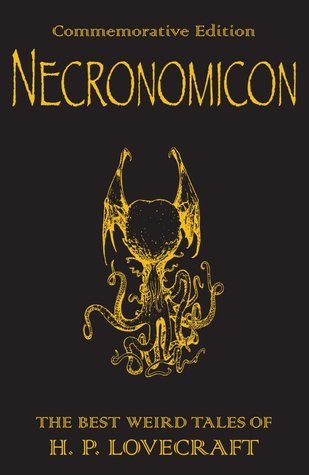
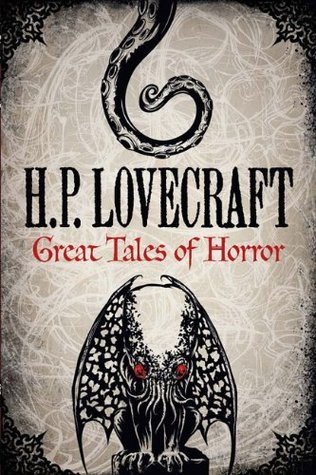
"The Best of H.P. Lovecraft: Bloodcurdling Tales of Horror and the Macabre" is a masterful collection of short stories that delve into the cosmic horrors and unfathomable terrors that define Lovecraft's unique vision. Through his chilling narratives, Lovecraft exposes ordinary individuals to ancient forces beyond comprehension, driving them toward madness and despair. Across tales such as "The Call of Cthulhu," "The Colour Out of Space," and "The Dunwich Horror," readers are introduced to mysterious cults, monstrous beings, and isolated outposts where the very fabric of reality is threatened. With signature atmospheric dread, Lovecraft's stories confront the insignificance of humanity in a hostile, indifferent universe. The collection not only evokes fear, but also challenges readers to face the limits of knowledge and sanity, marking it as a cornerstone of horror literature.



Summary of Key Ideas
Table of Contents
Cosmic Horror and Human Insignificance
Lovecraft’s work is renowned for its unique brand of cosmic horror, emphasizing the insignificance of humanity in an immense, indifferent universe. In many stories, characters come into contact with beings or forces so old and vast that they defy human understanding, shattering any illusion of mankind’s special place in the cosmos. Tales such as “The Call of Cthulhu” and “The Dunwich Horror” exemplify this idea, describing ancient entities awakened or noticed by chance, often with catastrophic consequences. The constant reminder of humanity’s fragility amplifies dread and awe, heightening the sense of powerlessness in the face of the unknown.
Madness and the Limits of Sanity
A hallmark of Lovecraft’s fiction is the exploration of madness. Protagonists frequently encounter phenomena that cannot be rationalized, and their attempts to comprehend these terrors often result in psychological breakdowns. Stories like “The Colour Out of Space” depict individuals and entire communities descending into insanity due to contact with the unknowable. Lovecraft expertly blurs the line between external horror and internal disintegration, suggesting that the greatest threat may lie in the mind’s inability to reconcile reality with incomprehensible truths. This focus on mental unraveling intensifies the personal stakes of his characters’ journeys.
Ancient Forces and Forbidden Knowledge
The quest for knowledge drives many Lovecraftian stories, with characters seeking forbidden truths through occult texts, scientific investigation, or happenstance. However, this pursuit is invariably perilous, as the revelations uncovered carry existential danger. In “The Whisperer in Darkness” and “The Shadow Over Innsmouth,” uncovering secrets about the world and its hidden inhabitants leads to devastating consequences. Lovecraft warns that some knowledge is best left undiscovered, as enlightenment can bring ruin, rather than power or wisdom. This tension between curiosity and safety is central to the horror of the collection.
Atmosphere, Isolation, and the Unknown
Atmosphere is crucial to Lovecraft’s storytelling, as he crafts oppressive settings filled with unease and mystery. Isolated towns, ancient ruins, and bleak, rural landscapes deepen the sense of alienation and helplessness felt by his characters. The worlds he conjures are peopled with cultists, degenerative societies, and alien presences lurking just out of sight. The nature of these settings amplifies the reader’s dread by suggesting that the unknown is always nearby, hidden in the dark corners of familiar reality. This relentless atmosphere of isolation and otherness is essential to the stories’ impact.
Lovecraft’s tales have had a profound influence on horror and science fiction, introducing motifs of cosmic dread, forgotten lore, and inhuman intelligences. As readers journey through these tales, they are invited to question the boundaries between reality and nightmare, and to face the chilling possibility that ancient terrors may one day return. The collection reinforces Lovecraft’s status as a giant of speculative fiction, whose horrific visions continue to echo in the genre decades after their creation.
Download This Summary
Get a free PDF of this summary instantly — no email required.