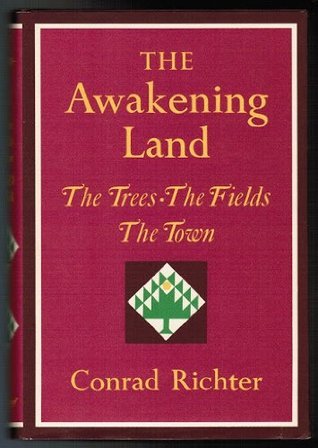
The Awakening Land: The Trees, The Fields, & The Town
Book Description
Amidst the sprawling wilderness of early America, a relentless struggle unfolds between nature and humanity. As settlers carve out a life in an unyielding landscape, ambition collides with the haunting specters of sacrifice, loss, and resilience. Rich in vivid imagery and emotional depth, 'The Awakening Land: The Trees, The Fields, & The Town' immerses readers in a world where the rhythm of the earth entwines with the pulse of human dreams. What cost will the settlers pay for their ambitions as they challenge the very essence of the land they seek to tame?
Quick Book Summary
‘The Awakening Land: The Trees, The Fields, & The Town’ by Conrad Richter is a sweeping trilogy chronicling the transformation of the American wilderness and the pioneering lives of settlers in early Ohio. Central to the narrative is Sayward Luckett Wheeler, whose indomitable spirit guides her family and community from the raw, dense forests through years of hardship, love, loss, and change. As the wilderness is felled to make way for farms and a burgeoning town, Richter poignantly explores the tensions between progress and tradition, civilization and nature. Through rich characterizations and evocative setting, the trilogy emerges as an epic meditation on the cost, sacrifice, and resilience required to carve a new life from untamed land, capturing the triumphs and sorrows inherent in the making of America.




Summary of Key Ideas
Table of Contents
The Struggle Between Civilization and Wilderness
The novel trilogy opens in the dense, unbroken forests of Ohio, depicting the relentless efforts of settlers like Sayward Luckett and her family. The land is both promise and threat, its harshness demanding backbreaking labor, ingenuity, and constant vigilance. Richter vividly captures the first grueling years—trees falling to axes, cabins taking shape, families binding together or falling apart under the stress of isolation and loss. This struggle forms the spiritual and physical foundation of the story, defining not just the characters’ survival but the moral essence of their endeavor.
Generational Change and the Passage of Time
As years pass, the transformation from “The Trees” to “The Fields” mirrors the settlers’ journey from pioneers to established homesteaders. Fields replace forests, and generations grow amidst the land their ancestors fought to tame. Sayward emerges as the emotional center, adapting to each change with stoic strength. However, as each child grows, leaves, or faces hardship, readers see how the relentless pursuit of progress comes at a personal cost, fracturing old ways and challenging traditional values. Richter weaves themes of generational change and the tension between new and old, progress and nostalgia.
Sacrifice and the Price of Ambition
Ambition and the pursuit of prosperity carry consequences. Families experience heart-wrenching sacrifices—the loss of children, partners, and the old world left behind. Sayward, embodying pioneer tenacity, must weigh her dreams for her children and her community against the heavy price of survival and success. Each advance—cleared forest, tilled field, brick building—marks victory over nature but also demands a toll in terms of relationships, memories, and even personal identity.
Family, Community, and Human Resilience
As the trilogy moves towards “The Town,” the narrative shifts to depict the creation of civilization: organized religion, commerce, and the emergence of governance. Community bonds become more complex, as new generations aspire beyond the land into urban ambitions and intellectual pursuits. Sayward, aging amidst the accelerating change, grapples with her role in a landscape and society that no longer resemble her youth. Yet, her resilience binds family and neighbors together, testifying to the enduring power of human connection set against the swelling tide of transformation.
Memory, Loss, and the Meaning of Home
In the trilogy’s poignant conclusion, Richter lingers on memory, loss, and the enduring concept of home. The wild land is forever altered, yet the costs—physical, emotional, cultural—linger in Sayward’s reflections. The trilogy is ultimately a meditation on identity: how people shape and are shaped by place, how memory is both a comfort and a burden, and how the meaning of home evolves. Through richly drawn characters and evocative prose, ‘The Awakening Land’ stands as a classic portrayal of the American experience—one marked by ambitions, sorrows, perseverance, and the inexorable passage of time.
Download This Summary
Get a free PDF of this summary instantly — no email required.