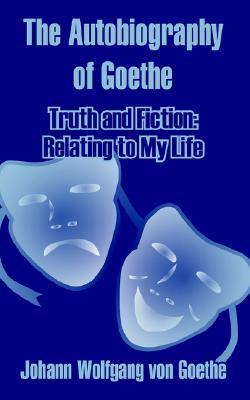
The Autobiography: Truth and poetry: from my own life
Book Description
A journey of the soul unfolds in "The Autobiography: Truth and Poetry: From My Own Life," where passion collides with creative genius. Witness the tumultuous love affairs, fierce rivalries, and haunting reflections of a mind that shaped the landscape of literature. Each page pulses with the essence of enlightenment and the agony of self-discovery, revealing a man grappling with fame and the weight of his own aspirations. Adventure through the vibrant streets of 18th-century Germany, where inspiration and despair dance in the shadows. What truths will emerge when art meets the rawness of lived experience?
Quick Book Summary
In "The Autobiography: Truth and Poetry: From My Own Life," Johann Wolfgang von Goethe weaves a rich tapestry of memoir, philosophy, and poetic meditation. Going far beyond mere chronological recounting, Goethe offers a probing self-examination, reflecting on his childhood, youthful passions, intellectual awakenings, and early creative triumphs. Set against the vibrant backdrop of 18th-century Germany, the autobiography reveals Goethe’s quest for artistic self-realization amid the complexities of family, education, love affairs, and the evolving society around him. The narrative captures the interplay of personal experience and historical events, illustrating how the pursuit of art and truth shaped Goethe’s identity and legacy. This classic work remains a testament to the persistent search for meaning through the highs and lows of a creative life.




Summary of Key Ideas
Table of Contents
The Transformative Power of Childhood and Education
Goethe’s autobiography opens with an evocative portrayal of childhood and family life in Frankfurt. His upbringing, marked by deep parental influence, instilled in him a reverence for education and self-exploration. Early memories reveal a bright, curious spirit who delighted in learning languages, reading, and being exposed to diverse teachings. Goethe recounts formative experiences at home and school, highlighting the blend of discipline and imagination that later fueled his literary genius. These chapters provide insight into how early emotional and intellectual nourishment laid a strong foundation for his future creative exploits.
Love as Inspiration and Turmoil
As he matures, Goethe’s adolescence becomes a stage for passionate engagement and unrest. Early infatuations and deep romantic yearnings both enrich and unsettle his inner world. These intense experiences are not merely personal diversions but sources of inspiration that deeply inform his poetry and literary endeavors. Goethe’s narrative reveals how unfulfilled desires and youthful heartbreaks transmute into creative energy. The depiction of his early romances underscores the dual powers of love: both as a force for enrichment and a catalyst for self-questioning and turmoil.
Art, Creativity, and the Search for Truth
Moving beyond the private sphere, Goethe explores how external forces—namely, the intellectual and cultural ferment of the Enlightenment—shape his coming-of-age. Encounters with thinkers, writers, and artists fuel his growing ambition to seek meaning through art. University years in Leipzig and Strasbourg expose him to new philosophies and rivalries, challenging him to develop his own voice. These experiences of learning, travel, and friendship are both exhilarating and disorienting. Above all, they impress upon him the necessity of grounding his creative work in the truths reflected by personal experience and broader social currents.
Intellectual Growth Amid Societal Change
The autobiography also offers a meditation on the purpose and power of literature. Through candid self-reflection, Goethe discusses the fusion of truth (Wahrheit) and poetic imagination (Dichtung) as essential to authentic art. He criticizes empty formalism and extols the value of sincerity and introspection. Goethe's recollections of his early literary successes, such as "The Sorrows of Young Werther," demonstrate the potency of channeling lived emotional struggles into universal art. This interplay between art and lived reality becomes the central motif of his self-portrait.
Reflections on Identity and Self-Discovery
Goethe concludes this part of his autobiography by confronting questions of identity, fulfillment, and the limits of understanding the self. The narrative closes with the sense that self-discovery is a lifelong process shaped by continuous reflection, experience, and striving. Goethe’s journey is not portrayed as one of unbroken triumph but a continual negotiation with doubt, ambition, and the complexities of life. In sharing his joys, sorrows, and philosophical insights, Goethe offers a timeless meditation on what it means to live creatively and truthfully.
Download This Summary
Get a free PDF of this summary instantly — no email required.