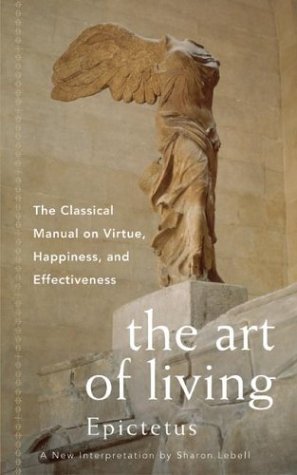
The Art of Living: The Classical Manual on Virtue, Happiness and Effectiveness
Book Description
Imagine mastering the art of tranquility amidst the chaos of life. "The Art of Living" unveils timeless wisdom from Epictetus, guiding you through the labyrinth of human existence. With incisive teachings on virtue, happiness, and effectiveness, it challenges you to confront your fears, embrace resilience, and cultivate a life aligned with your true values. Each page crackles with clarity, urging you to break free from limitations and discover profound inner strength. What if the key to a fulfilling life has been hidden in plain sight all along? Dare to unlock the door to your better self.
Quick Book Summary
"The Art of Living" presents the distilled wisdom of Epictetus, one of history’s greatest Stoic philosophers. Through accessible lessons and practical advice, the book offers a guide to leading a virtuous, fulfilling, and effective life in the face of adversity. Epictetus teaches readers how to cultivate inner resilience, differentiate between what is within our control and what is not, and pursue happiness by aligning actions with fundamental values. His teachings address fear, discomfort, anger, and desire, steering toward calm acceptance and purposeful living. Drawing upon ancient Stoic principles, "The Art of Living" encourages mindful self-control, personal growth, and the development of true inner freedom, regardless of external circumstances. This manual resonates today as a timeless blueprint for mastering life’s challenges and unlocking lasting contentment.


Summary of Key Ideas
Table of Contents
Distinguishing What You Can Control
One of the core teachings in "The Art of Living" is the crucial distinction between what is within our control and what is not. Epictetus emphasizes that our judgments, desires, and actions are under our power, while external events and other people’s opinions are beyond it. By focusing energy only on what we can influence, individuals free themselves from anxiety and frustration. This mental clarity yields profound tranquility, as it prevents unnecessary suffering stemming from trying to control the uncontrollable.
Building Inner Resilience and Acceptance
The book further explores the Stoic foundation of resilience and acceptance in the face of adversity. Epictetus instructs readers to welcome challenges as opportunities for personal growth. Difficulties, he argues, are inevitable in human life, but by embracing them with steadiness and composure, we transform obstacles into occasions for developing courage and wisdom. Acceptance is not passive resignation but an active process of adjusting one’s perspective and turning setbacks into learning experiences.
Living in Accordance with Virtue
Central to Epictetus’ philosophy is the importance of living in accordance with virtue. He defines virtue as aligning one’s actions with reason, justice, integrity, and self-control. Rather than seeking approval or material rewards, true fulfillment arises from consistently acting in line with one’s highest principles. This moral discipline creates reliable character and inner harmony, equipping us to navigate complex moral dilemmas with clarity and confidence. Virtue, in this worldview, is both the means and the end of happiness.
Pursuing True Happiness and Contentment
Epictetus also dispels common misconceptions about happiness. He contends that contentment cannot be found in external circumstances or fleeting pleasures but is a result of cultivating a peaceful, self-directed mind. Letting go of unrealistic expectations and unhealthy attachments, readers are guided to find satisfaction in their own actions and intentions. Happiness, thus, becomes an inside job, fostered by self-mastery and acceptance rather than luck or possessions.
Practical Application of Stoic Wisdom
"The Art of Living" grounds these philosophical insights in practical, everyday application. Epictetus offers concrete exercises and reflections for maintaining presence, managing anger, and navigating relationships with empathy and equanimity. Through disciplined daily practice and mindful reflection, anyone can translate ancient Stoic wisdom into modern life. The teachings ultimately empower individuals to respond to life’s unpredictability with calmness, integrity, and lasting inner strength.
Download This Summary
Get a free PDF of this summary instantly — no email required.