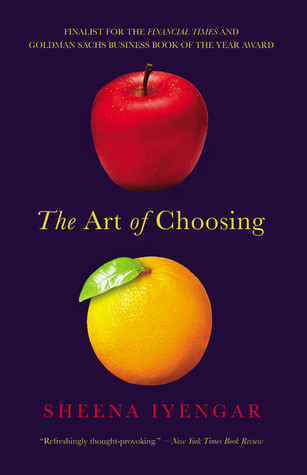
The Art of Choosing
Book Description
Choices shape destinies. In "The Art of Choosing," Sheena Iyengar unveils the intricate dance between freedom and decision-making. Dive into a world where every choice can lead to unimagined opportunities or devastating consequences. From the mundane to the monumental, Iyengar explores how culture, psychology, and personal beliefs collide in the decision-making process. With thrilling insights and eye-opening studies, the book challenges everything known about choice. What if the power to choose isn't really yours at all? Prepare to rethink the way choices define life itself. Are you ready to discover the unseen forces behind your decisions?
Quick Book Summary
"The Art of Choosing" by Sheena Iyengar delves into the complex realm of decision-making, illuminating the psychological, cultural, and social factors that influence how and why we choose. Drawing from groundbreaking research and compelling case studies, Iyengar explores the paradoxes and privileges of choice, revealing that while choosing is often equated with freedom, it can also be a profound source of anxiety and confusion. She examines the differences in how societies and individuals approach choice, and how cultural backgrounds shape our preferences and perceived autonomy. Ultimately, the book challenges readers to reconsider the value and meaning of choice in their own lives, offering insights that are both practical and thought-provoking for navigating decisions ranging from everyday selections to life-altering turns.


Summary of Key Ideas
Table of Contents
The Illusion and Burden of Choice
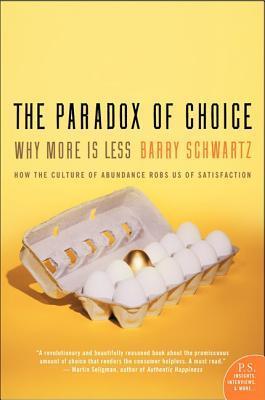
Sheena Iyengar begins her exploration of choice by questioning the connection between freedom and decision-making. While popular belief suggests that having more choices always empowers individuals, Iyengar argues that an abundance of options can overwhelm and even paralyze. Through engaging experiments, she demonstrates how too many alternatives can lead to dissatisfaction, making us less inclined to choose at all or less happy with our decisions when we do. This psychological pattern, now well-known as the "paradox of choice," unpacks the limitations of presumed autonomy.
How Culture Shapes Decision-Making
A central theme in Iyengar’s book is how cultural context fundamentally shapes both our attitudes about choices and the process of making them. Western societies tend to valorize individual autonomy, placing high value on personal preferences and independent choice. In contrast, many Eastern cultures emphasize collectivism, where choices are dictated by the needs and expectations of the group or family. Through fascinating cross-cultural studies, Iyengar highlights how these cultural lenses influence not only what we choose but how we experience the act of choosing itself.
Limits and Costs of Having Too Many Options
The book unmasked the widespread belief in the universality of choice, revealing that our personalities and upbringing affect our decisions far more than we realize. Iyengar discusses how identity, upbringing, religious beliefs, and socialization can either embolden or constrain our sense of agency. For some, too many choices become paralyzing, while for others, a lack of choice feels restrictive. By examining personal stories and experimental data, she shows that the optimal amount of choice varies between individuals and contexts.
The Role of Personal Beliefs and Identity in Choosing
Iyengar warns that while choice is often considered a right, it comes with psychological costs like regret, self-blame, and stress. The pressure to make the "best" decision can lead to perpetual dissatisfaction, especially in consumer societies where options are seemingly infinite. The author recommends strategies for overcoming choice fatigue, such as setting priorities, imposing constraints, and focusing on meaningful options. She suggests self-awareness and mindfulness as crucial tools for making choices that genuinely enhance wellbeing.
Strategies for Making Better Choices
In her closing insights, Iyengar invites readers to recalibrate their relationship with choice. By understanding the unseen forces underlying decision-making—which include not only cultural and psychological influences but also marketing and social expectations—we can become more intentional, confident, and satisfied choosers. She challenges us to appreciate both the power and the limitations of choice, and to use this understanding to lead richer, more deliberate lives.
Download This Summary
Get a free PDF of this summary instantly — no email required.