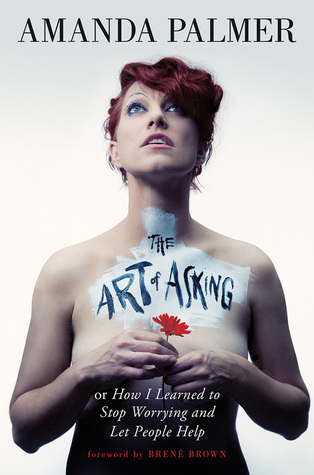
The Art of Asking; or, How I Learned to Stop Worrying and Let People Help
Book Description
What if asking for help could transform your life? In "The Art of Asking," Amanda Palmer weaves a tapestry of vulnerability, connection, and the fierce power of community. With electrifying anecdotes from her journey as a street performer and musician, she reveals the beauty and necessity of opening up to others. As she navigates the delicate balance between independence and interdependence, the message is clear: true strength lies in the courage to ask. This book isn’t just a manifesto; it’s a call to embrace the uncomfortable and redefine what it means to give and receive. Are you ready to take the leap?
Quick Book Summary
"The Art of Asking" by Amanda Palmer is a deeply personal exploration of vulnerability, trust, and the radical power of community. Through candid stories from her life as a street performer, musician, and Kickstarter pioneer, Palmer unpacks her journey toward embracing help from others. She challenges the fear and shame often associated with asking, proposing that there is strength in openness and connection. By sharing her experiences—both uplifting and uncomfortable—Palmer illustrates how genuine connection is cultivated not through transactional exchanges, but through trust and authenticity. The book becomes both a memoir and a manifesto, encouraging readers to let down their guards, confront their discomfort with need, and discover the transformative potential of asking for and accepting help.



Summary of Key Ideas
Table of Contents
Embracing Vulnerability and Trust
Amanda Palmer draws upon her early experiences as a living statue street performer, introducing the central lesson that asking—whether for spare change or deeper support—requires vulnerability and courage. She recounts how standing still in public, waiting for someone to place a coin into her hat, was both an act of trust and an invitation for connection. This theme of openness and risk forms the bedrock of Palmer’s philosophy, one that directly challenges our cultural aversion to asking for help and questions the stigma often attached to needing others.
The Importance of Community and Connection
As Palmer transitions from the street to stages as a musician, she encounters both resistance and willingness when she asks for lodging, meals, or support on her tours. Her controversial, highly successful Kickstarter campaign serves as a case study in the power of reaching out to a community. Palmer argues that a network of fans, friends, and supporters isn’t built through manipulation or marketing—it’s built through honesty, vulnerability, and the willingness to accept as well as to give. Involving her audience in everything from couch offers to crowd-sourcing musicians, she demonstrates that openness creates genuine bonds.
Redefining the Act of Asking
Throughout, Palmer interrogates the differences between asking, begging, and demanding. She explores misunderstandings that can arise, describing both positive responses and public backlash. Through her own stories, she illustrates how the act of asking is not about entitlement but about acknowledging need and inviting participation. The distinction, Palmer suggests, is one of intent: asking is about offering the other person the chance to say yes or no, not coercing or presuming an obligation.
Overcoming Shame and Fear
The personal costs of shame and fear are a recurring motif. Palmer discusses her struggles with imposter syndrome and the discomfort of being perceived as dependent or unworthy. She contends that these emotions, while powerful, can be disarmed by open communication and by reframing asking as an act of bravery. By surfacing her insecurities and failures alongside her triumphs, she models authenticity and builds trust with her readers, demonstrating that strength is compatible with vulnerability.
The Gift Economy and Reciprocity
Finally, Palmer introduces the idea of the "gift economy"—a system in which gifts, help, and resources are exchanged freely and reciprocally, unbound by strict accounting. She highlights how creative communities flourish when members uplift each other without keeping score, and when people allow themselves to receive as well as to give. Palmer concludes that the art of asking is not just a means to survive but a pathway to deeper connection, creativity, and communal resilience.
Download This Summary
Get a free PDF of this summary instantly — no email required.