
The Angel of Darkness
Book Description
A sinister presence stalks the shadows of turn-of-the-century New York, where society’s elite are caught in a harrowing web of deceit and murder. The brilliant but tormented Dr. Laszlo Kreizler finds himself entangled in a chilling investigation to unmask a killer who preys on the vulnerable—a malevolent force known only as "the Angel of Darkness." As he assembles a team of unlikely allies, including a determined female reporter, tensions flare and secrets unravel, leading them deeper into a world where ambition and horror collide. Who will survive the hunt for justice when the line between hunter and hunted blurs?
Quick Book Summary
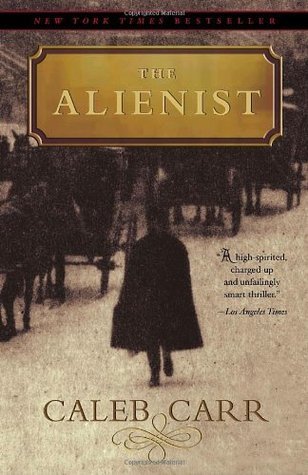
"The Angel of Darkness" by Caleb Carr returns readers to the shadowy streets of 1890s New York City, where Dr. Laszlo Kreizler, an alienist (early psychologist), investigates a chilling series of child kidnappings and murders. The stakes are raised when the case centers on the missing infant daughter of a Spanish diplomat, potentially provoking international turmoil. Kreizler's assembled team includes the steadfast former police detective John Schuyler Moore, the pioneering reporter Sara Howard, and the resourceful Isaacsons brothers. Their pursuit uncovers a complex web of obsession, deception, and dark psychology, highlighting the challenges faced by outsiders—women, immigrants, and unconventional thinkers. As they dig deeper into the case, the investigators confront not only a cunning female adversary, but also their own moral boundaries and vulnerabilities, leading to shocking revelations and intimate reckonings.




Summary of Key Ideas
Table of Contents
Psychological Motivations Behind Crime
Set against a vividly realized turn-of-the-century New York City, the novel follows Dr. Laszlo Kreizler as he is drawn into the abduction of Ana Linares, the infant daughter of a Spanish diplomat. The case is both delicate and perilous, as failing to resolve it risks plunging the city into diplomatic crisis. Kreizler, recognized for his unorthodox methods in criminal psychology, reunites with his earlier collaborators—John Moore, Sara Howard, and the Isaacson detectives—to crack the case, each bringing unique skills and backgrounds crucial to the multifaceted investigation.
Gender Roles and Women’s Agency
Early in their inquiry, the team confronts the revelation that the perpetrator is likely a woman, Libby Hatch, upending societal assumptions about criminality. As they delve into Libby’s past, they navigate a labyrinth of false identities, hidden motives, and trauma-rooted violence. The detectives depend on emerging forensic science and psychological profiling, reflecting the era’s tension between old guard police methods and new scientific approaches. Their pursuit is complicated by public scrutiny, prejudices against women investigators like Sara, and the constraints of social hierarchies.
Justice Versus Revenge
Personal stakes intensify as members of Kreizler’s team wrestle with their own ideals and the darker realities they uncover. Sara Howard, striving for recognition in a male-dominated field, proves integral, using both intellect and empathy to drive the investigation forward. The group’s commitment to uncovering the truth forces them to challenge conventional notions of justice and confront uncomfortable questions about revenge, morality, and the root causes of evil.
The Power of Teamwork and Friendship
Throughout their pursuit, the investigators face antagonism from corrupt officials and elite powerbrokers seeking to bury secrets that could scandalize the city or threaten their influence. The novel probes the stark disparities between wealth and poverty, the vulnerability of children, and the resilience of those marginalized by society. Kreizler’s team must navigate not only the physical dangers presented by their adversary but also the insidious effects of social stratification and institutional resistance to change.
Corruption and Social Stratification
Ultimately, the resolution of the case leaves the investigators changed. Their success comes at personal costs: relationships are strained, innocence is lost, and their understanding of justice grows more nuanced. Carr’s narrative interrogates the blurred line between hunter and hunted, capturing how trauma and societal failure can foster darkness. Yet, against the odds, camaraderie, conviction, and empathy prevail, offering fragile hope amid the pervasive shadows of the Gilded Age.
Download This Summary
Get a free PDF of this summary instantly — no email required.