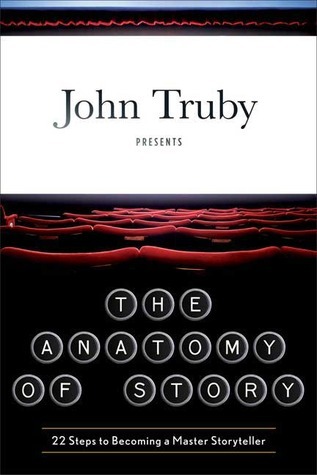
The Anatomy of Story: 22 Steps to Becoming a Master Storyteller
Book Description
Unlock the secrets of unforgettable storytelling with "The Anatomy of Story: 22 Steps to Becoming a Master Storyteller" by John Truby. Dive deep into the crucial elements that turn a mere idea into a gripping narrative—conflict, relationships, and emotional stakes that resonate. Every step reveals how to craft complex characters, build suspense, and create a narrative that keeps audiences on the edge of their seats. With Truby's powerful insights, discover how to elevate any story from ordinary to extraordinary. What if the story of your dreams is just a blueprint away?
Quick Book Summary
John Truby's "The Anatomy of Story: 22 Steps to Becoming a Master Storyteller" demystifies the process of crafting powerful narratives for writers and filmmakers. Truby argues that compelling stories hinge on deeper concepts than mere structure or formulas: rich characters, intricate moral decisions, and emotionally satisfying payoffs. His 22-step process guides storytellers from generating an original premise, through character creation and thematic development, to climactic resolutions that resonate with audiences. Combining practical exercises with insightful analysis, Truby addresses not only how stories work but why they endure across cultures and time. The book provides invaluable tools for elevating stories, offering both structural blueprints and creative inspiration for storytellers at any level.



Summary of Key Ideas
Table of Contents
Creating Multi-Dimensional Characters
Truby begins by emphasizing the importance of originality and depth in storytelling. Rather than relying solely on conventional formulas like the three-act structure, he encourages writers to explore unique story ideas and create a premise that contains inherent moral conflict. This conflict becomes the driving force of the narrative and sets the stage for character development and theme integration, making each story distinct and meaningful to its audience.
Weaving Theme and Story Structure
Central to Truby’s approach is the development of compelling, multi-dimensional characters. He explains that characters should have clear weaknesses and needs, which shape their goals and stakes within the story. By giving characters complex motivations and designing arcs that undergo meaningful transformation, Truby shows how storytellers can maintain audience investment. These character journeys are connected to the moral dimension of the story, clarifying the protagonist's choices and growth.
Building Story Worlds and Symbolism
The integration of theme and structure is another focal point. Truby illustrates how stories are more powerful when the theme emerges organically from the narrative and is embodied in the protagonist’s journey. Rather than imposing themes on a story, he advises writers to let the unfolding events and the web of character relationships reveal deeper truths and universal lessons. The 22 steps serve as a map for aligning plot points with thematic revelations.
Designing Conflict and Narrative Drive
Truby details the construction of the story world and the use of symbolism to enhance depth and meaning. He explores how setting, supporting characters, and visual motifs can reinforce thematic ideas and create a unified narrative experience. By carefully choosing details and constructing a world that reflects the internal struggles of the characters, storytellers can craft immersive and resonant narratives.
Delivering Emotional and Moral Fulfillment
Finally, Truby addresses the need for stories to deliver emotional and moral payoff. He guides writers in constructing climaxes that resolve both internal and external conflicts, ensuring that character arcs reach meaningful conclusions. The resolution should not only satisfy audience expectations but also provoke thought and emotional resonance, leaving a lasting impact and elevating the story from formulaic to masterful.
Download This Summary
Get a free PDF of this summary instantly — no email required.