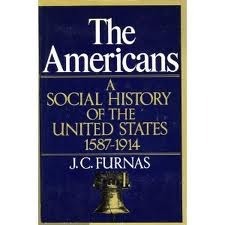
The Americans: A Social History of the United States, 1587-1914
Book Description
Amid the clash of cultures and the relentless pursuit of dreams, a tapestry of humanity emerges in 'The Americans: A Social History of the United States, 1587-1914' by J.C. Furnas. From the first whispers of colonization to the roaring prelude of modernity, life unfolds through the eyes of myriad voices—indigenous tribes, ambitious settlers, enslaved people, and immigrants chasing hope. Every page crackles with the pulse of revolution, the heartache of struggle, and the unwavering quest for identity. What sacrifices were made for freedom, and what stories still remain untold in the shadows of history?
Quick Book Summary
"The Americans: A Social History of the United States, 1587-1914" by J.C. Furnas offers an expansive narrative that brings to life the everyday experiences of the diverse populations that shaped the United States before World War I. Unlike traditional political histories, Furnas focuses on the textures of daily living—how people worked, loved, migrated, struggled, and built societies in the New World. Through the eyes of Native Americans, colonists, enslaved Africans, and immigrants, he explores the evolution of values, norms, and identities across centuries. Themes of conflict and cooperation weave through stories of hardship, revolution, and adaptation. The book illuminates both the resilience and the deep contradictions of American society, revealing how the collective dreams and sorrows of ordinary people fundamentally shaped the nation’s character and future.





Summary of Key Ideas
Table of Contents
Cultural Encounter and Conflict
The social tapestry of colonial America began with a complex layering of indigenous cultures, European settlers, and forcibly transported Africans. Early chapters examine not only settlement patterns and the collision of civilizations but also the daily routines that defined survival. Furnas explores how practices such as communal labor, barter economies, and resource sharing evolved as settlers and Native Americans alternately clashed and cooperated in the face of hardship, disease, and cultural misunderstanding. Daily life was fundamentally shaped by geography, technology, and the ongoing processes of adaptation.
The Transformation of Daily Life
A significant theme is the persistence of slavery and the paradoxical coexistence of freedom and oppression. Furnas vividly documents the reality of enslaved lives, resistance, and the evolving dynamics within both free and enslaved communities. He uncovers the myriad ways in which societies rationalized or challenged bondage, tracing the gradual emergence of abolitionist sentiments. The Civil War erupts as a culmination of these long-simmering social tensions, while Reconstruction brings both opportunity and deep disappointment for formerly enslaved Americans.
Slavery, Freedom, and Social Struggle
Immigration is depicted as a force of transformation, enriching society even amid resistance. New waves of Europeans arrived in burgeoning cities, forging ethnic enclaves and adapting old-world traditions to new-world circumstances. These groups faced discrimination but also contributed dynamism and diversity, accelerating urbanization and industrial growth. The reader witnesses how neighborhoods, workplaces, schools, and churches became crucibles for forging a pluralistic, evolving national identity.
Immigration, Diversity, and Identity
Furnas pays meticulous attention to the fabric of daily existence: how Americans dressed, cooked, worked, and courted; the templates of households and marriage; changing attitudes towards class, gender, and moral values. He describes the rise of a consumer culture, innovations in transport and communication, and the gradual onset of leisure and entertainment as society modernized. This focus reveals not grand events but intimate changes that shaped the trajectory of ordinary lives across centuries.
Progress and the Seeds of Modern America
The closing sections grapple with the cost and promise of progress at the dawn of the twentieth century. Industrialization and urbanization brought new hopes, anxieties, and social movements—from labor organizing to calls for women’s rights. Furnas reflects on the American spirit: marked by ambition and resilience, yet forever shadowed by unresolved tensions over inequality and justice. The book ends on the cusp of World War I, signaling the end of one era and the uncertain, ambitious beginnings of another for the American people.
Download This Summary
Get a free PDF of this summary instantly — no email required.