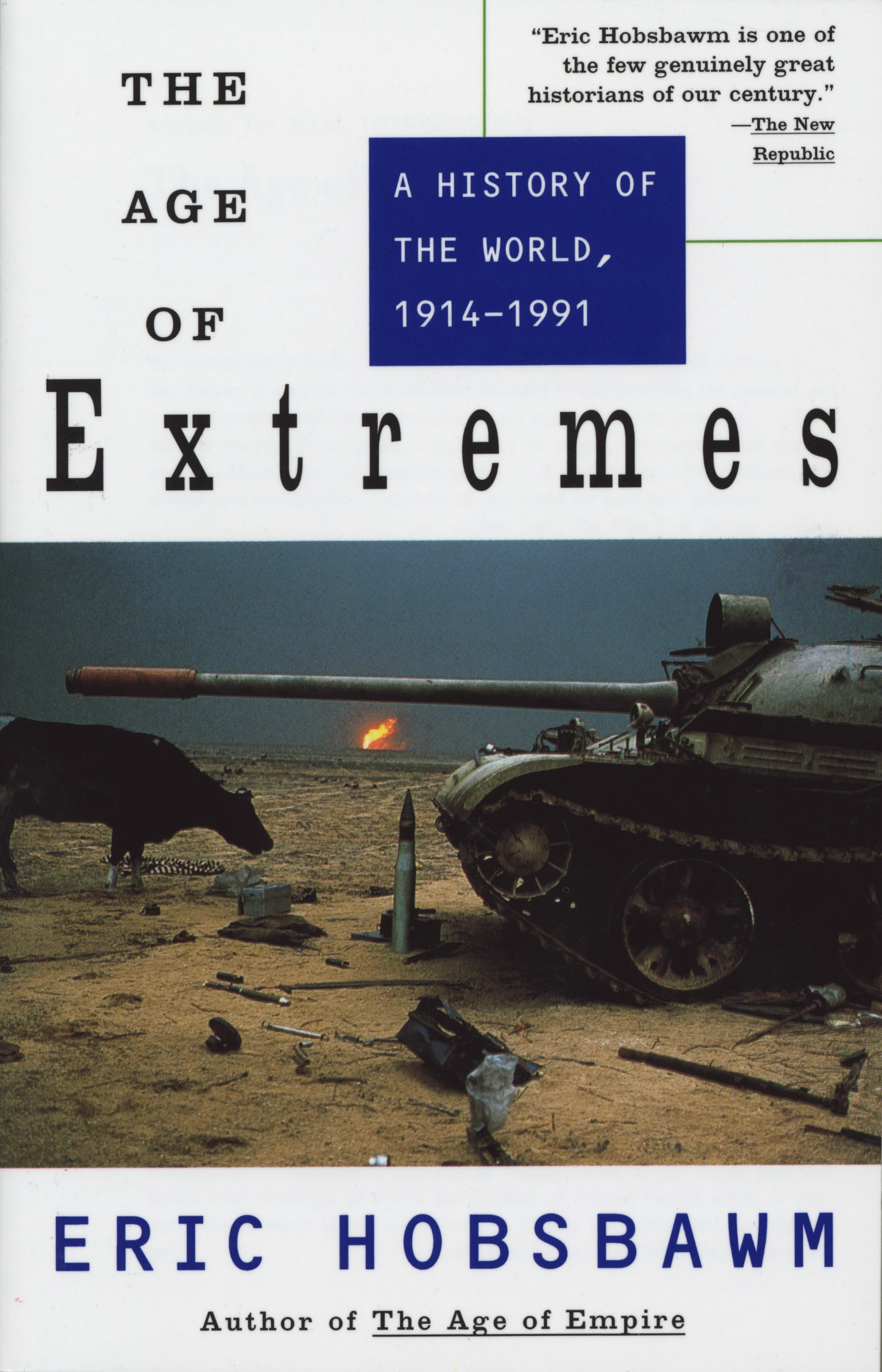
The Age of Extremes, 1914-1991
Book Description
Chaos erupted as the world spiraled into a century of turmoil, marked by conflict, revolution, and breathtaking change. From the ashes of World War I to the fall of the Iron Curtain, the struggle for power, ideology, and identity redefined nations and lives. Eric J. Hobsbawm masterfully weaves the tapestry of this extraordinary era, illuminating the stark contrasts between progress and destruction. Each event unfolds like a scene from an epic drama, revealing the undercurrents of hope amid despair. What does it mean to survive and thrive in a time of extremes, where the future hangs by a thread?
Quick Book Summary
Eric J. Hobsbawm’s "The Age of Extremes, 1914-1991" offers a panoramic account of the tumultuous twentieth century. Divided into three eras—the Age of Catastrophe, the Golden Age, and the Landslide—the book examines the century’s monumental upheavals: two world wars, the rise and fall of totalitarian ideologies, the economic rollercoaster of boom and bust, and the unforeseen collapse of the Soviet Union. Hobsbawm analyzes the interplay between revolution and reaction, examining how industrial progress coexisted with unprecedented violence, and how waves of social change reshaped global culture, politics, and economics. Through its global lens, the book invites readers to reflect on the paradoxes of modernity and the unresolved challenges facing the post-Cold War world.


Summary of Key Ideas
Table of Contents
Revolution, War, and Global Realignment
Hobsbawm begins by framing the twentieth century as an era defined by dramatic ruptures. The First World War shattered the old European order and paved the way for political revolutions in Russia and beyond. These upheavals set the stage for a prolonged era of conflict and instability, marked by economic crises, the rise of fascism and communism, and the catastrophic devastation of the Second World War. The book highlights how war and revolution were not isolated European events, but shocked and realigned societies across the globe, leading to decolonization and the creation of new national identities.
The Rise and Fall of Ideologies
Throughout the century, ideological struggles took center stage. Hobsbawm examines totalitarian experiments in the Soviet Union and Nazi Germany, each promising the creation of a new social order but unleashing repression and mass violence. Meanwhile, liberal democracies battled both internal and external threats, facing challenges to their legitimacy and economic stability. By mid-century, the Cold War emerged as a global contest of power and ideas, with the entire world divided into rival spheres, shaped by the arms race and ideological confrontation between East and West.
Economic Transformations and Social Change
The age was equally defined by sweeping economic and social transformations. The devastation of World War II gave way to a period of unprecedented growth in the West, dubbed the "Golden Age." Mass production, welfare states, and consumer culture profoundly altered everyday life and expectations. However, the benefits of this boom were unevenly distributed, and global inequalities persisted. In the developing world, decolonization brought both hope and turmoil, as newly independent nations struggled to define their own paths to modernity.
Culture, Science, and the Crisis of Modernity
Hobsbawm then explores the cultural and scientific revolutions that accompanied these economic shifts. The rise of mass media, advances in science and technology, and challenges to traditional authority reshaped how people understood themselves and the world. Yet, this cultural dynamism also exposed deep anxieties. Amid prosperity, the period saw social protest movements, identity crises, and fears about the direction of modern civilization, particularly as environmental and existential threats became apparent.
Uncertainties of the Post-Cold War World
The closing chapters reflect on the end of the Cold War and the "landslide" of change it produced. As communist regimes collapsed, a new global order emerged—less predictable and fraught with uncertainty. Hobsbawm notes that the contradictions of modernity remained unresolved: economic inequality, instability, and cultural fragmentation persisted. The century of extremes, he argues, did not deliver a stable or just world, leaving urgent questions about the future direction of humanity.
Download This Summary
Get a free PDF of this summary instantly — no email required.