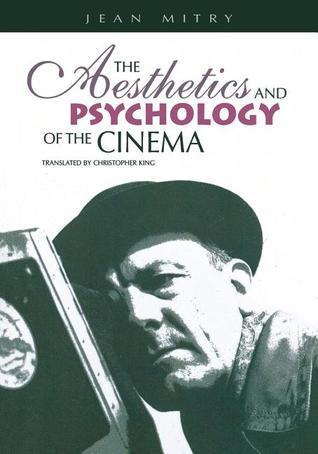
The Aesthetics and Psychology of the Cinema
Book Description
Step into the mesmerizing world where art and psyche collide in "The Aesthetics and Psychology of the Cinema" by Jean Mitry. This riveting exploration unwraps the vital connection between film's visual poetry and the human experience, revealing how every frame resonates with emotion and meaning. Mitry delves into the power of cinematography, editing, and narrative structure, exposing how they wield influence over our hearts and minds. As cinematic language becomes a tool of psychological exploration, one question looms: how does the magic of film shape our understanding of reality itself?
Quick Book Summary
"The Aesthetics and Psychology of the Cinema" by Jean Mitry is a groundbreaking exploration of how cinema transcends mere entertainment to become a profound artistic and psychological phenomenon. Mitry weaves together film theory, philosophy, and psychology to examine the deep connections between cinematic language and the human psyche. He dissects how the visual and auditory techniques of cinema—such as montage, framing, and narrative design—activate emotional and intellectual responses in viewers. The book argues that film is not simply a mirror reflecting reality, but a complex means of constructing and interpreting meaning. Mitry’s work invites readers to reconsider the immersive power of film and its capacity to shape perception, emotion, and collective understanding.


Summary of Key Ideas
Table of Contents
The Language of Cinema as Artistic Expression
Jean Mitry begins by explaining that cinema is a unique artistic language, distinct from other art forms due to its ability to combine time, movement, light, and sound. Unlike painting or theater, film can manipulate reality through editing and camera techniques, allowing filmmakers to craft experiences and concepts that transcend mere imitation of the world. Mitry argues that cinematic art is rooted in both the objective presentation of visual phenomena and the subjective organization of these elements by the filmmaker, producing a new syntax of meaning.
Psychological Impact of Cinematic Techniques
Mitry delves into the psychological dimension of film, examining how the moving image directly engages the spectator’s senses and emotions. He underscores that the experience of watching a film involves more than rational analysis—viewers unconsciously identify with images and actions on screen. This identification is the result of complex psychological processes, including empathy and projection, which film can amplify through compelling narratives, point-of-view shots, and rhythmic editing.
Construction of Meaning and Reality Through Film
Next, the construction of meaning takes center stage. Mitry contends that cinema does not passively reflect reality but actively constructs it through choices in editing, framing, and narrative structure. The sequence of images, use of symbols, and interplay of sound and silence all contribute to the formation of cinematic meaning. Mitry posits that viewers decode these elements based on cultural and psychological contexts, constantly negotiating between their perceptions and the film’s constructed reality.
Emotional Engagement and Identification
A critical focus of the book is emotional engagement, where Mitry analyzes how cinema functions as a tool for exploring personal and collective feelings. The controlled manipulation of tempo, lighting, and music can elicit specific emotions, guiding the audience through psychological journeys that mirror or challenge their own experiences. This process fosters a unique form of communication between filmmaker and audience, sometimes operating below the level of conscious awareness.
The Role of Editing and Montage in Shaping Perception
Finally, Mitry investigates editing and montage as central means by which cinema shapes perception. Editing determines rhythm, tension, and meaning by juxtaposing shots in deliberate sequences. Through montage, filmmakers create associations, alter time and space, and suggest connections that are not present in reality but become palpable through cinematic logic. Mitry concludes that the psychology of editing is central to understanding how films influence, entertain, and even transform the viewer.
Download This Summary
Get a free PDF of this summary instantly — no email required.