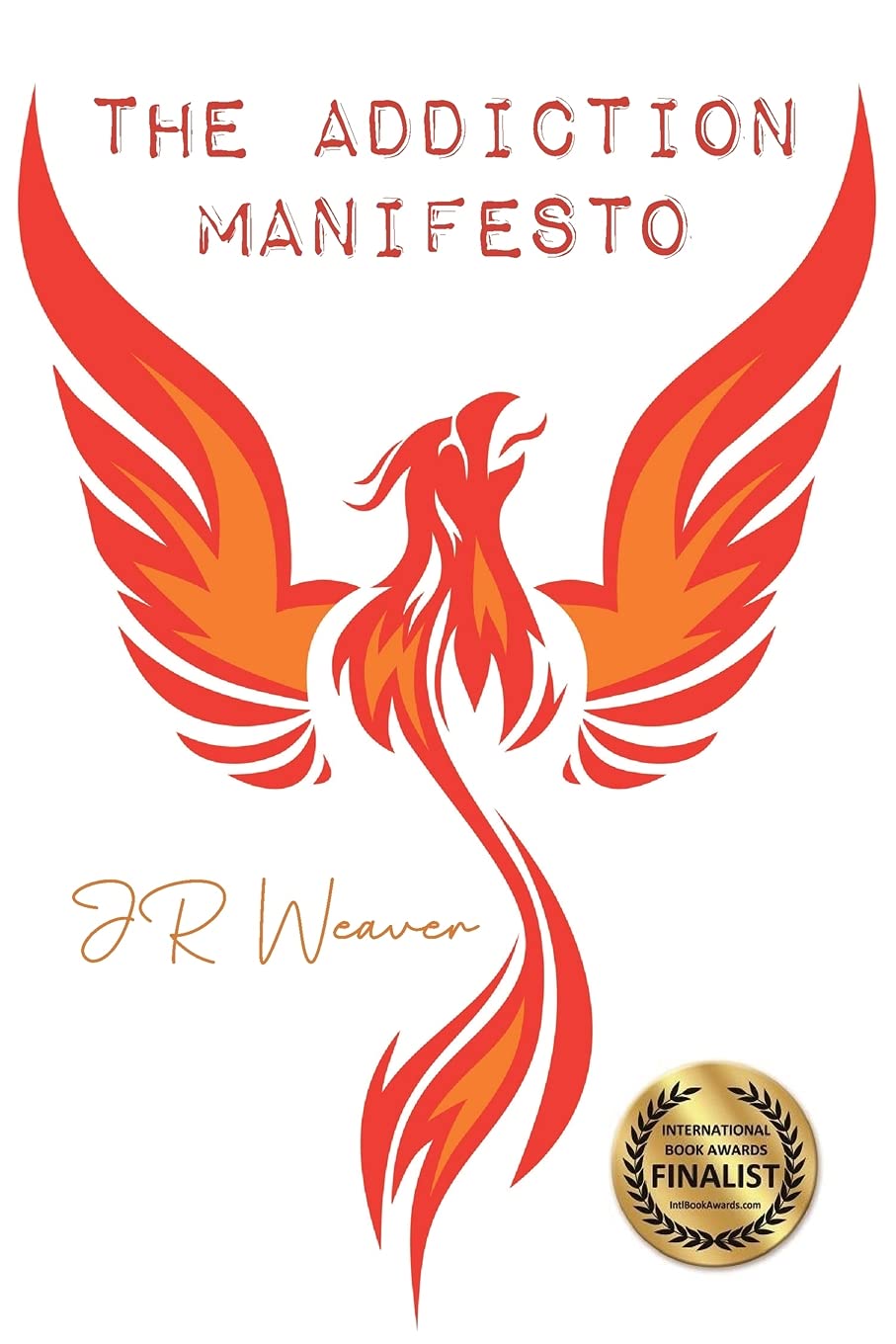
The Addiction Manifesto
Book Description
What if the very thing that promises freedom ensnares you in chains? In 'The Addiction Manifesto,' Jerry Weaver unveils the raw truth behind addiction, peeling back the layers of pain, denial, and survival. This gripping exploration confronts the relentless pull of dependency and the quest for redemption, illuminating the harsh realities faced by individuals battling their demons. With each page, the stakes rise, revealing the thin line between hope and despair. As lives collide, and relationships fracture, one question looms large: is true liberation even possible, or is the cycle of addiction destined to repeat itself?
Quick Book Summary
"The Addiction Manifesto" by Jerry Weaver presents a stark, introspective exploration of addiction, examining both the psychological and emotional dimensions of dependency. Drawing from personal experience and wider research, Weaver details the insidious nature of addiction, the denial that often masks it, and the far-reaching impact it has on relationships and self-worth. He confronts the illusions of escape offered by addictive behaviors and substances, showing how they often lead to deeper entanglement. Through candid storytelling and analysis, Weaver unpacks the cycle of hope and despair that characterizes recovery attempts, ultimately questioning whether true freedom is attainable. The book serves as both a beacon of understanding for those trapped in addiction and a call for compassion from those who seek to help.





Summary of Key Ideas
Table of Contents
The Illusion of Freedom and the Reality of Chains
Jerry Weaver opens his memoir and manifesto by dissecting the illusion that addictive substances and behaviors promise liberation from pain and constraint. Instead of finding freedom, individuals become ever more tightly bound by dependency, often without realizing the process is underway. By unraveling the promises of escape, the book paints a sobering portrait of how addiction seduces and ensnares, setting the tone for a brutally honest exploration of what it means to lose control to a substance or behavior.
Denial, Pain, and Self-Deception
The narrative delves into the complex forces of denial and self-deception. Weaver writes candidly about the lengths to which people will go to avoid confronting their addiction, masking pain with stories or rationalizations. This self-imposed blindness enables the addiction to persist and grow, feeding a cycle that is difficult to break from within. The book emphasizes the psychological patterns common in addictive minds and the emotional distress that fuels avoidance, suggesting that recognition and honesty are essential first steps toward healing.
The Ripple Effects on Relationships and Identity
As addiction deepens, its effects ripple outward, distorting relationships, careers, and one’s very sense of self. Weaver weaves personal anecdotes with broader observations, highlighting how trust erodes, boundaries blur, and family members become collateral damage. The book does not shy away from the collateral pain inflicted on loved ones and the internal schism felt by those who feel alien to themselves. In revealing these fractures, Weaver challenges readers to approach addiction as a community issue, not just a personal failing.
The Struggle Between Hope and Despair
Tension builds throughout the narrative as Weaver explores the oscillation between hope and despair inherent in recovery. Attempts to break free are marked by victories and setbacks, with relapse threatening to undo progress and hope constantly tested. This section reflects the precariousness of recovery and the persistence required to attempt it. Weaver stresses the importance of support systems and self-compassion, while also acknowledging the ever-present risks and the emotional weight of disappointment.
Possibilities and Limits of True Liberation
The concluding portion of "The Addiction Manifesto" interrogates whether true liberation from addiction is possible or if the cycle is destined to recur. Weaver offers cautious optimism, suggesting that while the scars of addiction may remain, individuals can achieve meaningful change and a new sense of purpose. He advocates for ongoing self-awareness, compassionate support, and systemic change to shift society’s response to addiction. The manifesto closes as a call for honesty, empathy, and hope—for both those afflicted and those who love them.
Download This Summary
Get a free PDF of this summary instantly — no email required.