
Tempting Fortune
Book Description
When fortune flirts with scandal, hearts tremble in the shadows. In the opulent halls of Regency England, a charming rogue and an unyielding noblewoman find themselves tangled in a dangerous web of desire and deception. As whispers of treachery fill the air, their burgeoning attraction faces relentless obstacles that threaten to tear them apart. With every glance and every stolen moment, the stakes rise—will love conquer the chaos, or will they be forced to sacrifice their hearts for the sake of honor? In a world where temptation lurks at every corner, who will emerge victorious in the pursuit of fortune?
Quick Book Summary
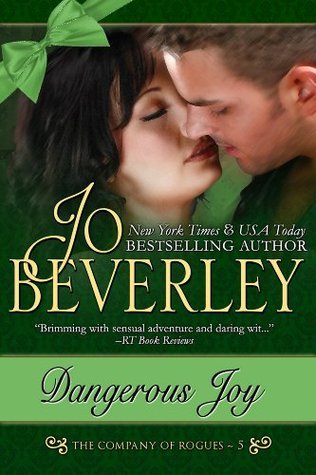
Set in the glittering world of Regency England, "Tempting Fortune" by Jo Beverley is a tale of high stakes, scandal, and irresistible romance. The novel revolves around the charismatic adventurer Lord Bryght Malloren and the principled, yet vulnerable, Clare Maynard. Amidst the social whirl of aristocratic balls and shadowy intrigue, the two are ensnared in a battle of wills and hearts. Conspiracies and dark secrets threaten to keep them apart just as their unexpected attraction grows. As they navigate a treacherous game of temptation—where fortune, honor, and love are all on the line—they must decide if they can trust each other or risk ruin. With wit, passion, and suspense, Beverley crafts a rich romance where love is both the greatest risk and the ultimate reward.




Summary of Key Ideas
Table of Contents
Fate Versus Free Will in Love
Lord Bryght Malloren, a charming yet notorious rake, unexpectedly finds himself the guardian of Clare Maynard, a woman whose inner strength belies her modest position. Bryght, concerned about his reputation and the swirling rumors among London society, initially sees Clare as a responsibility conflicting with his freewheeling plans. Clare, meanwhile, is burdened by her family's debts and determined to guard her own independence, despite her forced dependence upon Bryght's protection. Their uneasy alliance quickly develops into a battle of wit and resolve as both try to hold onto their autonomy.
Social Hierarchy and Honor
From the grandeur of Regency ballrooms to the secrecy of moonlit encounters, Bryght and Clare's story is shadowed by the relentless scrutiny and strict hierarchy of the ton. The lines between duty and desire blur as the two are drawn closer by circumstance and mutual intrigue; yet, both are acutely aware of the consequences should their feelings become public. Beverley deftly examines the influence of power and propriety, illustrating how the lovers must negotiate their places within—and occasionally outside—the social order.
Secrets and Deception as Barriers
The heart of the novel lies in the secrets each character harbors. Bryght is entangled in political intrigues, while Clare conceals her own family’s dire situation and personal traumas. Misunderstandings, strategic deceptions, and half-truths create a tension-fueled courtship in which trust proves elusive. Their journey is rich with moments where desires must be weighed against the potential costs, as both question whether honesty will bring them together or destroy any hope of happiness.
The Risks and Rewards of Vulnerability
Vulnerability is a recurring motif throughout the story. Bryght and Clare must each confront their deepest fears—the loss of control, the pain of betrayal, and the scars of past wounds. Over time, their reluctant openness enables profound personal growth. Clare learns to accept help and trust in another, while Bryght discovers the fulfillment in sincerity and self-sacrifice. It is precisely in admitting their vulnerabilities that their love finds genuine expression and resilience, transforming both individuals.
Transformation Through Romance
Ultimately, the novel is a celebration of love’s transformative power. As Clare and Bryght overcome external obstacles and internal barriers, they emerge changed—stronger, wiser, and more willing to defy social conventions. By risking heartache and loss, they each earn not only personal redemption but also a future built on shared trust and passion. Through deft prose and emotionally rich storytelling, Beverley crafts a romance where destiny yields to choice, and fortune favors those daring enough to follow their hearts.
Download This Summary
Get a free PDF of this summary instantly — no email required.