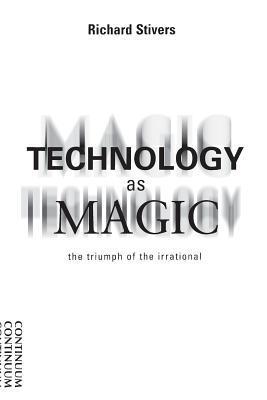
Technology as Magic
Book Description
What if technology isn’t just a tool but a gateway to a world where illusion blurs with reality? In "Technology as Magic," Richard Stivers unveils the art of innovation as a mesmerizing force that shapes societies and transforms lives. He navigates the electrifying tension between human aspiration and the unforeseen consequences of our creations. As rapid advancements plunge us into uncharted territories, the stakes grow perilously high. Can humanity harness this magic without losing its soul? Dive into a thought-provoking exploration that challenges perceptions and ignites the imagination—are we the masterminds of our own fate, or mere puppets of our own inventions?
Quick Book Summary
"Technology as Magic" by Richard Stivers delves into the complex relationship between society and advancing technology, likening the allure of technological progress to forms of modern magic. Stivers argues that our inventions have become more than mere tools; they possess the power to enchant, manipulate perception, and reshape the fabric of culture and consciousness. As technological systems grow more sophisticated, they foster both awe and dependency, blurring the lines between illusion and reality. The book examines the deep psychological and societal impacts of technology, probing the tension between human control and technological autonomy. Ultimately, Stivers challenges readers to question whether we control our technological creations or are increasingly subject to their unpredictable consequences—and what this means for humanity’s collective identity and moral compass.



Summary of Key Ideas
Table of Contents
Technology as the New Enchantment
Stivers begins by examining technology’s almost mystical role in modern society, comparing it to historic forms of magic and ritual. He argues that technology has assumed a nearly sacred position, capturing public imagination and promising to solve age-old problems. This enchantment, he suggests, stems from our tendency to place faith in technological innovation much as our ancestors did in supernatural forces. The constant unveiling of new devices and breakthroughs generates a sense of wonder and expectation, framing progress as inevitable and beneficial, even when its real effects remain ambiguous.
The Erosion of Boundaries Between Illusion and Reality
The book explores how technology gradually dissolves the traditional distinction between what is real and what is illusory. Through virtual realities, pervasive media, and digital manipulation, Stivers claims that technology weaves illusions so convincing that they often replace or distort genuine experience. This blending fosters new forms of escapism and distraction, complicating our understanding of truth. He warns that, as reality is mediated through increasingly sophisticated devices, society’s grip on authenticity—both individually and collectively—becomes precarious.
Societal Transformation and Dependence
Stivers addresses the profound societal changes precipitated by technological dependence. He notes that as systems integrate into every aspect of daily life, individuals and communities are repositioned, their relationships altered and their traditional roles undermined. There is a shift from craft and skill-based agency to passive consumption and interaction with opaque systems. The transformation extends to social values, communication, and even identity, with technology dictating new norms and practices, intensifying conformity and dependency.
Loss of Human Agency and Autonomy
A major concern in the book is the erosion of human agency. Stivers details how automated systems, algorithms, and data-driven structures begin to make choices for people, limiting their autonomy and capacity for meaningful decision-making. He points to the psychological impacts—alienation, loss of control, and diminished critical thinking—while highlighting the dangers of surrendering agency to systems whose logic and objectives are inaccessible or indifferent to human well-being. This dynamic makes it difficult for individuals to resist or meaningfully influence the trajectory of technological progress.
The Challenge of Ethical Stewardship
Finally, Stivers confronts the ethical and existential dilemmas posed by society’s increasing reliance on technology. He suggests that without reflective stewardship, innovation risks amplifying humanity’s worst tendencies—alienation, manipulation, and moral disengagement. The book calls on readers to critically examine their relationship with technology and to seek policies and cultural attitudes that balance fascination with responsibility. Stivers concludes by warning that the future depends on our ability to see through the illusions and reassert a human-centered approach, ensuring that technology enhances, rather than diminishes, our shared humanity.
Download This Summary
Get a free PDF of this summary instantly — no email required.