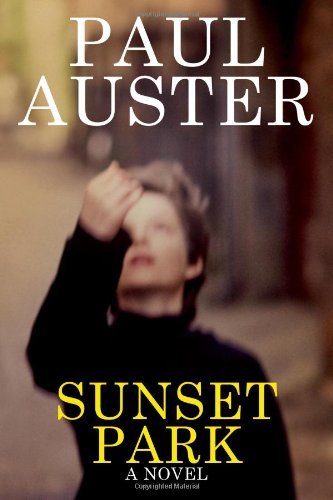
Sunset Park
Book Description
Amidst the crumbling urban landscape of Brooklyn, four lost souls converge in a deserted home, seeking refuge from their own demons. A young man wrestles with the weight of a secret, while an aspiring artist finds purpose in the chaos around her. Entangled in fragile relationships, they navigate the tightrope between hope and despair, love and betrayal. As their lives intertwine, an unexpected event threatens to shatter their fragile existence, forcing them to confront the ghosts of their past. When the sun sets on their makeshift sanctuary, what choices will emerge from the shadows, and can redemption arise from the darkness?
Quick Book Summary
In "Sunset Park," Paul Auster weaves the lives of four misfit characters who take up residence in an abandoned house in Brooklyn during the aftermath of the 2008 financial crisis. Miles Heller, fleeing a tragic past and an illegal affair in Florida, joins Bing Nathan, an ardent collector and would-be philosopher, along with Ellen Brice, a hopeful artist, and Alice Bergstrom, a dedicated graduate student. Each is burdened by personal traumas, longing for meaning and connection in a fractured world. As the squatters build a precarious sense of community, they are forced to face their histories and vulnerabilities when the looming threat of eviction and unresolved relationships—especially Miles’s fraught ties to his estranged parents—come to a head. Auster’s narrative explores themes of loss, redemption, and the fragile hope that sustains us through life’s uncertainties.

Summary of Key Ideas
Table of Contents
The Search for Redemption in a Broken World
The novel follows Miles Heller, a young man living with guilt following a family tragedy that forced him to abandon college and his familial relations. Wandering through menial jobs in Florida, Miles becomes involved with Pilar, an underage girl, intensifying his sense of being an outsider and complicating his life further when the nature of their relationship risks legal trouble. The story sets Miles on a path back to Brooklyn, where he seeks anonymity and recovery amongst people who are also seeking to reinvent themselves.
The Haunting Influence of the Past
Bing Nathan, owner of the Hospital for Broken Things, is the orchestrator of the group’s unconventional living situation. He invites Miles to squat in an abandoned house in Sunset Park, Brooklyn. Also living in the house are Ellen Brice, an artist haunted by shame and longing for intimacy, and Alice Bergstrom, a graduate student working on her dissertation about postwar American cinema. Together, these four develop a tenuous sense of belonging, sharing meals, secrets, and uncertainties as they attempt to carve out stability in a volatile environment.
Community and the Fragility of Connection
The looming shadow of the 2008 financial crisis pervades the narrative, manifesting in the decaying houses, failed businesses, and the characters’ collective precariousness. The house represents both shelter and transience, echoing the instability they each feel within. Auster uses the urban landscape to mirror the characters’ internal disarray, as Brooklyn’s fading hope and economic blight becomes a backdrop that shapes their attempts at recovery and meaning-making.
Economic Crisis and Urban Decay
Auster explores the intricate, often painful ties to family and the past. Miles’ relationship with his father, Morris—struggling to keep his publishing business afloat—and his actress mother, Mary-Lee, remains unresolved. Their stories run parallel, highlighting generational rifts and the enduring power of unresolved grief. Eventually, unforeseen circumstances force Miles to reconnect with his parents, confronting the unresolved guilt and sorrow that have defined his adult life.
The Ambiguity of Hope and Despair
As outside pressures mount—the deteriorating house, the threat of eviction, police scrutiny, and the pull of past mistakes—the sanctuary the group created begins to unravel. Yet, as Auster deftly suggests, hope and despair coexist: each character is forced to face the truth of their own lives, seeking forgiveness or acceptance, even if it comes at the cost of comfort or safety. In the novel’s elegiac close, the possibility of redemption glimmers—difficult and imperfect, yet undeniable—amidst the ruins of personal and societal collapse.
Download This Summary
Get a free PDF of this summary instantly — no email required.