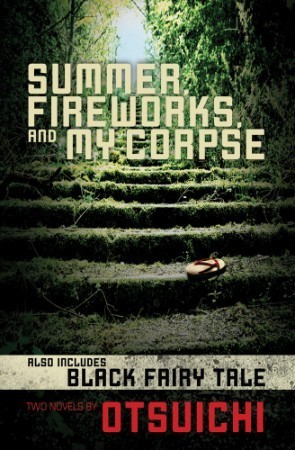
Summer, Fireworks, and My Corpse
Book Description
A murder has shattered the joy of summer, leaving a shocking mystery in its wake. Amid vibrant fireworks and sweltering heat, a group of friends navigates betrayal, secrets, and the haunting specter of death. As tensions rise and suspicions spiral, the thin veil of trust begins to unravel, revealing hidden truths that threaten to consume them all. Each revelation brings them closer to a chilling conclusion, and the line between life and death blurs under the night sky. Can they uncover the killer among them before it’s too late, or will their summer end in tragedy?
Quick Book Summary
"Summer, Fireworks, and My Corpse" by Otsuichi is a chilling collection of stories that blend mystery, horror, and psychological suspense within rural Japanese settings. The titular novella is told from the unique perspective of a murdered child, Satsuki, as she observes the aftermath of her own death. During one fateful summer, Satsuki is killed by her friend Yoko, and what follows is a tense, unsettling journey as Yoko and her younger brother Ken attempt to conceal the crime amidst the vibrant backdrop of festival fireworks and oppressive heat. Exploring themes of innocence lost, moral ambiguity, and the unpredictability of human nature, the collection juxtaposes the joys of youth against macabre violence. As the story unfolds, secrets surface, relationships are tested, and the boundary between life and death thins, creating a haunting meditation on guilt, betrayal, and the scars left by tragedy.


Summary of Key Ideas
Table of Contents
The Fragility of Innocence
The narrative begins with an ordinary summer in rural Japan where children play freely, only for the mood to be abruptly shattered by a shocking incident: Satsuki, the nine-year-old protagonist, is accidentally killed by her friend Yoko during a childish quarrel. From that surreal moment, the story is recounted by Satsuki’s corpse, creating an eerie, detached tone as she witnesses the immediate panic and confusion her death provokes in Yoko and her younger brother Ken.
Ambiguity of Morality and Guilt
Yoko, facing a crisis of morality and fear of punishment, enlists Ken's help to hide Satsuki’s body rather than confess her crime. The children’s struggle to conceal the murder is marked by mounting tension and macabre ingenuity. Their actions and internal rationalizations disturbingly blur the lines between childish ignorance and chilling calculation. This section deftly explores guilt, denial, and the ways individuals—especially children—cope with overwhelming trauma, all against the festive yet indifferent backdrop of summer celebrations and fireworks.
The Facade of Normalcy
Throughout the novella, death is a constant presence. Satsuki’s posthumous narration offers a dispassionate, almost clinical observation of events, deepening the story’s psychological horror. Detached from pain and fear, yet emotionally intertwined with her former friends, Satsuki’s narration invokes empathy and dread as she contemplates her lost future and the unraveling lives of those left behind. This unique perspective heightens the sense of vulnerability and helplessness, both for the narrator and the reader, as the boundary between the living and the dead becomes disturbingly porous.
Death as a Narrative Perspective
The facade of everyday normalcy conceals bubbling chaos beneath the surface. While the village continues its summer festivities, Yoko and Ken’s behavior grows increasingly erratic and desperate. Their elaborate deceptions expose the fragility of the trust that binds people together. As rumors circulate and suspicion grows, familial and communal relationships become strained, revealing how quickly social order can erode when confronted with hidden wrongdoing.
Unraveling Trust and Secrets
In the story’s climax, the unraveling of secrets brings tragedy to the forefront, culminating in a chilling revelation about human nature and the corrosive power of lies. The children’s attempts to evade truth lead to deeper isolation and destructive choices. Otsuichi’s weaving of horror and empathy invites the reader to reflect on guilt, innocence, and the shadowy boundaries that separate cruelty and compassion. The collection, as a whole, echoes with the lingering tension between beauty and brutality, childhood and mortality.
Download This Summary
Get a free PDF of this summary instantly — no email required.