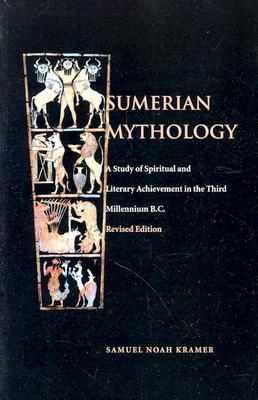
Sumerian Mythology
Book Description
Enter a world where gods battled for dominance and heroes forged their destinies in the cradle of civilization. "Sumerian Mythology" unearths the timeless tales of deities, epic floods, and the birth of humanity itself. With every page, ancient prayers and fables come alive, revealing profound insights into love, power, and the human experience. Dive deep into the intricate tapestry of a culture that laid the foundation for modern thought and belief. As the echoes of these myths resonate through time, one question begs to be answered: what do these age-old stories reveal about our own struggles today?
Quick Book Summary
Samuel Noah Kramer's "Sumerian Mythology" offers a captivating exploration of the world's earliest known myths and legends from ancient Mesopotamia. Through systematic analysis of ancient texts and clay tablets, Kramer reconstructs the mythic narratives that shaped Sumerian beliefs about the cosmos, the gods, and humanity's origins. The book delves into stories of creation, battles among gods, epic floods, and the underworld, illuminating the moral and philosophical questions these stories grappled with. Kramer demonstrates how these myths not only reflected the Sumerians’ understanding of nature and society but also influenced subsequent civilizations. Richly detailed and engaging, "Sumerian Mythology" uncovers the foundational myths that continue to inform religious and literary traditions across cultures, revealing timeless themes of love, power, creation, and the human search for meaning.



Summary of Key Ideas
Table of Contents
The Origins of the Gods and Cosmos
Kramer's study begins by examining Sumerian conceptions of the cosmos and the origins of their pantheon. The myths reveal a hierarchical society among the gods, mirroring human structures. The universe was born from primordial chaos and order, personified by godly figures like An (heaven) and Ki (earth). Their unions and conflicts shaped the world, establishing a divine order that explained natural phenomena and human destiny. Mythic patterns adapted to historical changes, reflecting evolving understandings of power and governance.
Humanity’s Role and Divine Purpose
Central to Sumerian mythology is the creation of humanity and humanity’s obligations to the gods. Humans were crafted by deities—often from clay and divine essence—to serve the needs of the gods through labor, worship, and maintaining temples. These myths justified the structure of Sumerian society, which was built around the temple economy. Additionally, myths explored existential questions: Why do humans suffer? What purpose do they serve in the divine plan? Such reflections connected daily life to cosmic order and emphasized moral behavior.
Mythic Narratives of Flood and Catastrophe
The theme of catastrophe and renewal is embodied in myths like the Sumerian flood story, an antecedent of later biblical versions. The gods, displeased with noisy and disobedient humans, send a devastating deluge, sparing only a select few through divine intervention. These narratives dramatized human vulnerability, the unpredictable nature of fate, and the hope for renewal after catastrophe. Through these tales, Sumerians confronted the fragility of existence and the possibility of redemption or mercy from the gods.
Rituals, Religion, and the Afterlife
Sumerian religion permeated every aspect of life. Rituals, hymns, and prayers sought to bridge the gap between mortals and immortals, reflecting both awe and fear toward the divine. Kramer examines funerary customs and myths of the afterlife, where the underworld was a gloomy, impartial domain ruled by gods like Ereshkigal. These beliefs shaped moral codes and motivated devotional practices, from offerings to grand temple complexes, illustrating the intimate intertwining of religion, community, and individual fate.
Enduring Legacy and Influence on Later Cultures
The book concludes by exploring the lasting legacy of Sumerian mythology. Kramer traces motifs and narratives that reappear in Akkadian, Babylonian, and even Biblical texts, showing how Sumerian ideas influenced later cultural and religious developments. Concepts of law, kingship, and cosmic order found in these myths became foundational to Near Eastern and Western civilizations. By understanding Sumerian mythology, readers gain insights into the origins of key stories and values that continue to inform collective human experience.
Download This Summary
Get a free PDF of this summary instantly — no email required.