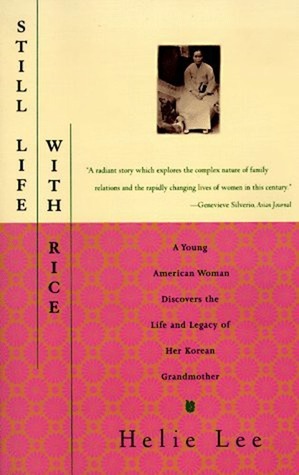
STILL LIFE WITH RICE
Book Description
A young girl’s world is shattered as war ravages her homeland and families are torn apart. ‘STILL LIFE WITH RICE’ is a heart-wrenching journey through heartache and resilience, where the delicate threads of family and identity hang in the balance. Surrounded by the chaos of a war-torn existence, a daughter must grapple with the haunting memories of her mother’s love and the impact of cultural loss. As she searches for hope amidst despair, will she find a way to reclaim her heritage and rebuild her shattered life? The struggle for survival may hold the key to healing—will she unlock it?
Quick Book Summary
Still Life with Rice by Helie Lee is a poignant memoir that interweaves the stories of two Korean women: Helie herself and her grandmother, Hongyong Baek. The book chronicles Korea's turbulent twentieth century, from Japanese occupation to civil war, through the perspective of Hongyong, who perseveres through hardship, loss, and displacement. As her family is torn apart by violence and occupation, Hongyong’s indomitable spirit and love for her children sustain her. Helie, raised in America, seeks to understand her grandmother’s resilience, bridging the gulf between generations and cultures. Through their entwined stories, the memoir explores the traumas of war, the legacy of family, and the search for cultural identity across time and place.



Summary of Key Ideas
Table of Contents
Survival and Resilience Amidst War
Helie Lee’s memoir opens with her grandmother Hongyong’s vivid recollections of life in Korea before the country was fractured by occupation and war. Hongyong’s youth is colored by traditional values, familial responsibilities, and profound love for her homeland. However, these early memories are soon disrupted by the Japanese occupation, with its strictures and humiliations, setting the stage for later traumas. Throughout these years, the family bonds deepen as they struggle to maintain dignity and hope in a changing, often hostile world.
Mother-Daughter Relationships and Generational Bonds
The onset of the Korean War further shatters Hongyong’s existence. Forced to flee her home, she endures separation from loved ones, poverty, and pervasive fear. Her journey as a refugee highlights not just personal endurance but also the collective suffering of Korean civilians during the war. Loss and survival become intertwined themes, with each day presenting new challenges and griefs. Yet, Hongyong’s dedication to her family never falters, and her sacrifices epitomize maternal strength.
Cultural Displacement and Loss of Identity
Amidst the devastation, Hongyong’s relationship with her daughter, and later with her granddaughter Helie, serves as an emotional anchor. These bonds, strained by generational and cultural divides, provide moments of solace and conflict. For Helie, growing up in America means navigating a world where her grandmother’s values and stories sometimes seem distant or alien. However, as she listens to her grandmother’s memories, she comes to appreciate the depth of love and fortitude that shaped her family’s survival.
Strength of Family and Sacrifice
Helie’s own journey is one of rediscovery and healing. The memoir details her struggle to reconcile her American upbringing with her Korean heritage, particularly in the shadow of family trauma and collective historical wounds. Through the act of listening and recording her grandmother’s stories, Helie begins to construct a bridge between past and present, learning to honor her roots while forging her own sense of identity. Storytelling becomes a lifeline, connecting generations and offering hope.
The Healing Power of Storytelling
Ultimately, Still Life with Rice is a testimony to the spirit of Korean women whose lives were forever changed by war and upheaval. The narrative blends personal biography with historical events, creating a moving portrayal of family survival against overwhelming odds. In retelling her grandmother’s story, Helie Lee illuminates universal themes of endurance, love, and the search for belonging, demonstrating that resilience and compassion can transcend even the most profound loss.
Download This Summary
Get a free PDF of this summary instantly — no email required.