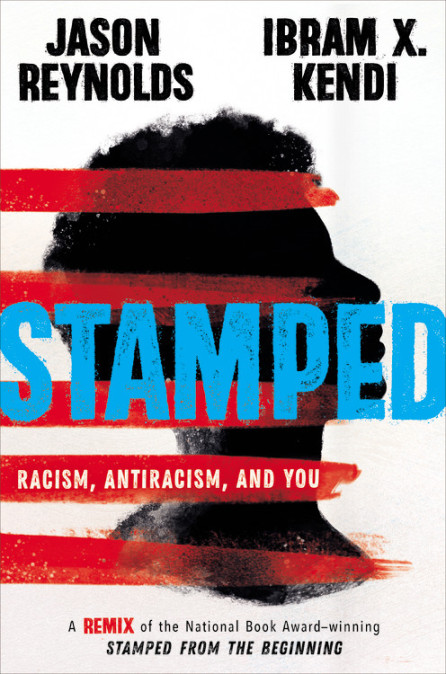
Stamped: Racism, Antiracism, and You
Book Description
Racism has been woven into the fabric of society for centuries, and its powerful threads shape lives every day. In "Stamped: Racism, Antiracism, and You," Jason Reynolds delivers a bold, electrifying exploration of this pervasive issue, revealing its roots and igniting conversations that matter. Through sharp insights and unflinching honesty, readers are propelled into a journey that challenges perceptions and stirs the soul. As voices rise and histories collide, the urgency to choose your stance becomes undeniable. Can you confront the truth and spark the change that’s desperately needed?
Quick Book Summary
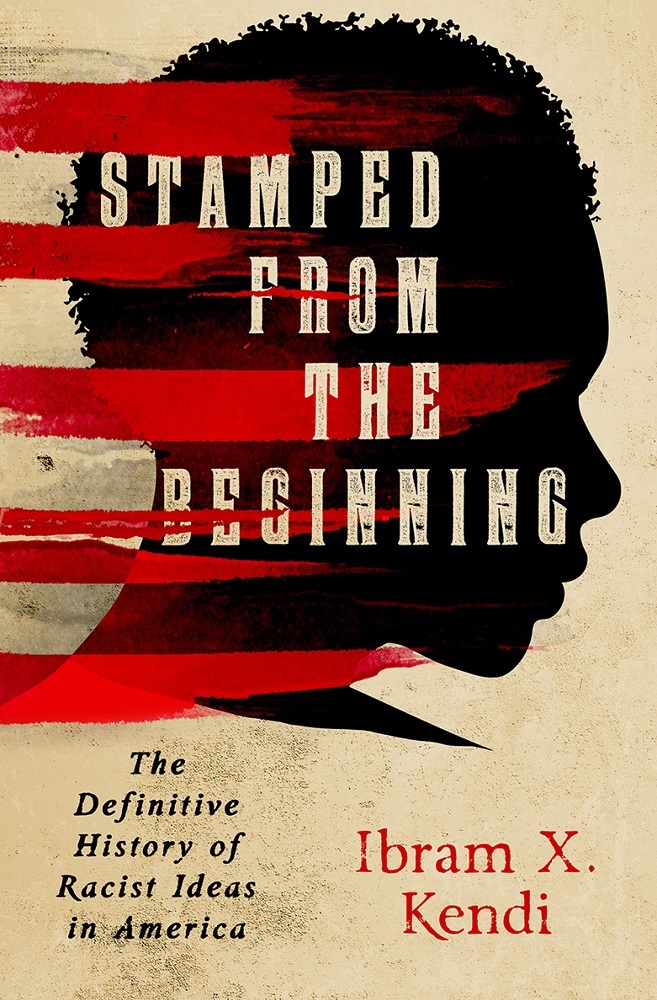
"Stamped: Racism, Antiracism, and You" by Jason Reynolds is a compelling and accessible rendition of the history of racism and antiracist thought in the United States. Adapted from Ibram X. Kendi’s original scholarly work, Reynolds reframes dense historical material for young readers, making it engaging, urgent, and personally resonant. The book traverses centuries, tracing the roots of racist ideas, their manifestations in major cultural and political moments, and the individuals who have perpetuated or resisted these ideologies. Through vivid storytelling, Reynolds highlights the persistence of racism, the complexity of historical figures, and the distinction between assimilationist, segregationist, and antiracist philosophies. He empowers readers to recognize these forces in society and within themselves, encouraging critical reflection and civic engagement toward an actively antiracist future.

Summary of Key Ideas
Table of Contents
Origins and Evolution of Racist Ideas
The book opens by challenging misconceptions about race and delves into the origins of racist thinking, tracing them back to the early justifications for slavery and colonialism. These ideas did not develop naturally or by accident; rather, influential thinkers and leaders constructed them to serve economic and political interests. The narrative examines how racist ideas were spread through publications, laws, and societal norms, shaping perceptions and behavior for generations.
Segregationist, Assimilationist, and Antiracist Thinking
Reynolds uses the framework established by Kendi to clarify three types of responses to racism: segregationist, assimilationist, and antiracist. These perspectives are embodied by both famous and lesser-known historical figures. Segregationists believe in the inherent inferiority of races and advocate separation; assimilationists see Black people as needing to change to fit white norms; antiracists understand that racial differences do not signify hierarchy. The book repeatedly illustrates how these competing ideas influenced actions and policies throughout American history.
The Role of Power and Policy in Shaping Racism
Central to the book is the assertion that racism is not simply about personal prejudice, but is closely tied to policies and power. Laws, practices, and government systems have enforced and maintained racial inequities, whether through slavery, Jim Crow, or redlining. Individuals from Thomas Jefferson to Angela Davis are examined, not only for their public statements but also for the broader societal impact of their beliefs and policy choices. Reynolds encourages readers to look beyond individual acts of hate and to recognize the structural nature of racism.
Heroes, Rebels, and the Complexity of Historical Figures
Historical and contemporary figures are presented with nuance, emphasizing their complexity. The book refuses to idolize or vilify without scrutiny; instead, it recognizes that even celebrated leaders like Abraham Lincoln or W.E.B. Du Bois held conflicting ideas over time. By peeling back layers of public persona and private belief, Reynolds provides an honest account of both progress and setbacks, offering multiple entry points for readers to engage with history.
Empowering Youth to Choose Antiracism
In its final chapters, the book turns to the present and the future, speaking directly to young readers. It urges them to grasp the difference between not being racist and being actively antiracist. Reynolds stresses that understanding history is a first step, but real change requires action—challenging policies, questioning societal norms, and confronting personal biases. Through this call to action, "Stamped" becomes not just a history lesson, but a rallying cry for a new generation to demand justice and equality.
Download This Summary
Get a free PDF of this summary instantly — no email required.