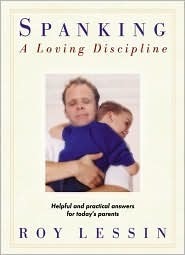
Spanking: A Loving Discipline : Helpful and Practical Answers for Today's Parents
Book Description
Discipline doesn't have to be a battleground. "Spanking: A Loving Discipline" dives deep into the nuances of parenting, revealing how love and correction can coexist in powerful ways. With insightful, practical answers, it challenges conventional beliefs and arms today's parents with the tools to cultivate respect and understanding. Each page is filled with thought-provoking techniques designed to create harmony in the home and nurture strong relationships. As the lines between right and wrong blur, can compassion truly guide discipline toward a positive transformation?
Quick Book Summary
Roy Lessin’s “Spanking: A Loving Discipline” confronts the complex theme of discipline within parenting, specifically focusing on the controversial topic of spanking. The author positions discipline not as punishment, but as a loving corrective action that is foundational for building respect, trust, and lasting positive behaviors in children. Lessin offers a blend of personal insight, biblical reference, and practical guidance to help parents navigate the balance between love and firmness. The book emphasizes the importance of developing mutual respect, setting clear boundaries, and using physical discipline responsibly and sparingly. By dispelling common myths and addressing fears around discipline, Lessin empowers parents to create harmonious homes rooted in compassion, understanding, and guidance.


Summary of Key Ideas
Table of Contents
Distinguishing Discipline from Punishment
Roy Lessin begins by unraveling the commonly blurred line between discipline and punishment. He addresses the emotional baggage and guilt often associated with corporal discipline, specifically spanking, arguing that discipline should never be synonymous with anger or harm. The book clarifies that effective discipline stems from a heart of love and aims to instruct rather than inflict pain, setting a foundation for the discussions that follow.
Balancing Love and Authority in the Home
Lessin delves into the necessity of balancing love and authority in parenting. He explains that genuine love involves both nurturing and correcting children, fostering environments where respect flourishes. Parents are advised to embody consistency, clarity, and compassion, thereby modeling the traits they hope to instill. When discipline is administered from a place of calm authority, children learn to trust their parents’ guidance and feel secure within defined boundaries.
Developing Effective and Respectful Boundaries
The author provides practical strategies for establishing and communicating boundaries tailored to each child’s temperament. Instead of relying on punitive measures, he advocates for proactive involvement and consistent expectations. Spanking, when deemed necessary, is discussed as one of several tools, never as the primary or only response. Lessin stresses the importance of explaining expectations, consequences, and reasons behind disciplinary choices to support children’s understanding and growth.
Addressing Misconceptions and Cultural Myths
A significant portion of the book is devoted to challenging cultural myths and misconceptions about discipline. Lessin addresses concerns about emotional harm and societal stigma, offering counterpoints rooted in both biblical teachings and psychological research. He encourages parents to discern between reactionary and intentional correction, urging them to question prevailing assumptions and embrace approaches that align with their values and children’s needs.
Practical Guidance for Compassionate Correction
Finally, Lessin equips parents with actionable advice for compassionate correction. He outlines steps for maintaining composure during disciplinary moments, emphasizes the necessity for forgiveness and reconciliation, and promotes reflection for both the parent and child. The goal is to nurture relationships based on respect, accountability, and unconditional love. By combining spirituality, evidence-based insight, and real-world application, Lessin empowers parents to navigate discipline with confidence, empathy, and a long-term vision for their children’s character development.
Download This Summary
Get a free PDF of this summary instantly — no email required.