
Soul Music
Book Description
When music takes on a life of its own, the world is set ablaze in a symphony of chaos and magic. In "Soul Music," the vibrant streets of Ankh-Morpork pulse with the infectious beat of a new sound that captivates the masses, but it might just threaten the very fabric of reality. As the enigmatic Death grapples with his own identity and an unlikely band of misfits rises to stardom, the line between life and the afterlife blurs in a whirlwind of rhythm and rebellion. Can music truly change the soul, or will it unleash a disaster beyond comprehension?
Quick Book Summary
"Soul Music" by Terry Pratchett is a humorous fantasy novel set in the Discworld universe where music with a mind of its own arrives in Ankh-Morpork. A mysterious new genre known as "Music with Rocks In" sweeps the city, compelling a young harpist, Imp Y Celyn, along with a troll drummer and a dwarf rocker, to form the hottest new band. Meanwhile, Death, the iconic anthropomorphic personification, undergoes a personal crisis and temporarily abandons his duties, leaving his granddaughter Susan to manage the afterlife. As music's magic spreads chaos, the boundaries between life and death blur, and reality itself is threatened. Through sharp wit and cultural parody, Pratchett explores the transformative and disruptive power of music, the search for identity, and the need to face one's responsibilities.
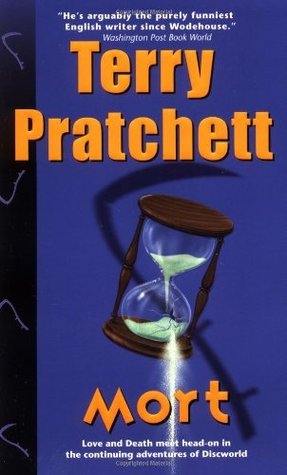


Summary of Key Ideas
Table of Contents
The Transformative Power of Music
In the bustling city of Ankh-Morpork, a young musician named Imp Y Celyn dreams of fame and fortune. After his harp is destroyed, fate leads him to purchase a magical guitar, which transforms his musical aspirations forever. Joined by Lias (a troll on drums) and Glod (a dwarf on horn), they become "The Band With Rocks In," introducing "Music with Rocks In" to the Discworld, sparking a cultural wave that quickly engulfs the city’s population, from wizards to werewolves. The band's rapid ascent mirrors the disruptive force that music—especially new and revolutionary forms—can have on society.
Identity and Self-Discovery
As the band's fame grows, music begins to warp reality, and strange events occur: people act out of character, and time itself seems to bend under the relentless beat. Imp’s musical genius and the magical instrument seem to develop a life of their own, hinting at the possibility that some music cannot be tamed or predicted. The emergence of the band parodies the world’s obsession with musical idols and the mythos of rock and roll, poking fun at fame, fandom, and the promise that music can change everything.
Chaos and Order in the Face of Change
Parallel to these events, Death, weary from the emotional toll of his work, decides to take a leave of absence, trying for the first time to experience the world as mortals do. With Death missing, his granddaughter Susan, a sensible and skeptical teenage girl, is reluctantly drawn into the supernatural role of reaping souls. Susan grapples with the bizarre responsibilities she never wanted, learning uncomfortable truths about her lineage and destiny. Her journey intertwines with that of the band, as the power of music begins to affect the border between life and death.
Satire of Popular Culture and Celebrity
The novel satirizes popular culture, blending references to rock legends with Discworld’s unique absurdism. Pratchett weaves in parody, from the mystical aura of guitars to the formation of fan hysteria and music industry machinations. As the story escalates, the raw transformative energy of music threatens to undo reality itself, and only by confronting both music’s allure and its dangers can balance be restored. The band’s story becomes an allegory for the disruptive and uncontainable nature of new art forms.
Responsibility and Accepting One's Role
Ultimately, Susan must face her inheritance and responsibilities head-on. By accepting her role—and with Death resuming his duties—the world is set back on course. Imp and his friends lose their memories of the fantastical events, highlighting the fleeting yet impactful nature of cultural revolutions. "Soul Music" concludes with a tribute to both the ephemeral magic of music and the enduring need for order, suggesting that while music can indeed move souls, every revolution eventually gives way to the return of normalcy.
Download This Summary
Get a free PDF of this summary instantly — no email required.