
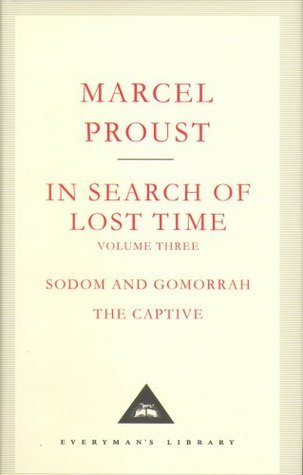
Sodom and Gomorrah
Book Description
Desire and betrayal swirl through the streets of high society as love triangles tighten their grip. Within this dazzling world, bonds are tested and loyalties shattered, leading characters to confront the darkest corners of their souls. As secrets unravel against the backdrop of a society on the brink, the lines between affection and envy blur, and the finest relationships teeter on the edge of catastrophe. Will they find redemption in the ashes of their past choices, or will the flames of passion consume them entirely? Dive into a tale where every glance could ignite chaos—are you ready to witness the unraveling?
Quick Book Summary
In "Sodom and Gomorrah," the fourth volume of Marcel Proust’s monumental cycle "In Search of Lost Time," the narrator is thrust deeper into the intricate world of aristocratic Paris. Proust lays bare the hidden passions and secret lives swirling behind society’s elegant façade, focusing particularly on homosexual relationships and the hypocrisy surrounding them. With forensic psychological insight, the novel tracks the emotional and social maneuverings of characters like Baron de Charlus and the Verdurins, weaving themes of desire, jealousy, social ambition, and the fluidity of identity. Love, in all its manifold forms, becomes a theater of deception and self-discovery, as personal longing collides with social convention. Ultimately, "Sodom and Gomorrah" is both a study of collective denial and an intimate exploration of longing, chronicling how society’s most passionate yearnings are mirrored in its deepest betrayals.


Summary of Key Ideas
Table of Contents
The Veiled Nature of Desire
The novel opens with the narrator discovering Baron de Charlus’ clandestine love for Jupien, an encounter that illuminates the subculture of homosexual desire intentionally veiled beneath public propriety. Through this revelation, Proust explores how passion and identity are expressed and concealed, particularly in a society prone to harsh judgment. The discreet world they inhabit is paradoxically both separate from and entwined with high society, demonstrating the complexity of personal and public personas.
Hypocrisy and Social Facades
Within the glittering salons and intimate gatherings, Proust exposes the layers of hypocrisy sustaining aristocratic society. Individuals relentlessly perform roles, guarding secrets while projecting virtue and sophistication. The Verdurins, for instance, shape their social circle through manipulation and exclusion. Charlus, a master of duplicity, both upholds and mocks these facades. The narrative examines how such duplicity is necessary for survival but also poisons sincere connection.
The Fragility of Human Relationships
Desire breeds vulnerability, particularly in the realm of love triangles and shifting loyalties. The narrator’s own infatuation with Albertine reveals how affection can quickly sour into suspicion and possessiveness. Relationships throughout the novel teeter on the brink of collapse, subject to misunderstandings and the corrosive effects of mistrust. In showing love as fragile and contingent, Proust reframes intimacy as a battleground shaped by both internal turmoil and social expectation.
Betrayal and the Power of Jealousy
Jealousy acts as a transforming force, dictating the behavior and fate of the principal characters. As secrets begin to unravel, betrayals occur at both personal and societal levels. The narrator’s obsessive scrutiny of Albertine, as well as social exile faced by those whose desires are exposed, epitomize how envy and betrayal are inseparable from love itself. The price paid is often heartbreak or ostracism, reflecting the destructive potential of unchecked passion and suspicion.
Society in Transition
Set against the approaching instability of pre–World War I France, the world of "Sodom and Gomorrah" feels brittle and on the brink of upheaval. Proust highlights how social mores are changing, allowing for fleeting moments of redemption and understanding. Even as characters struggle to reconcile private desires with public demeanor, the looming transformation of society promises to upend the very codes that bind them together. The novel, thus, is not only a chronicle of personal longing and disillusionment but also a portrait of a world on the precipice of profound change.
Download This Summary
Get a free PDF of this summary instantly — no email required.