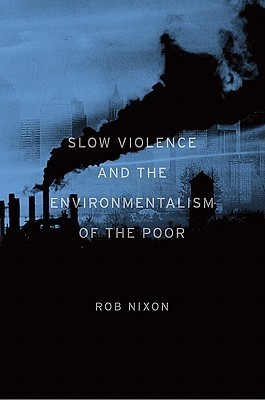
Slow Violence and the Environmentalism of the Poor
Book Description
Silent devastation lurks beneath the surface, striking hardest at the world's most vulnerable populations. Rob Nixon reveals the insidious nature of "slow violence," where the effects of environmental destruction unfold gradually, often unnoticed until it's too late. Through gripping narratives and heart-wrenching testimonies, he illuminates how the poor bear the brunt of climate change, industrial pollution, and resource exploitation, often fighting battles that remain unseen by the global community. This poignant exploration challenges us to confront the hidden crises of our time. Who will rise to amplify the voices of those trapped in this silent struggle?
Quick Book Summary
"Slow Violence and the Environmentalism of the Poor" by Rob Nixon introduces the concept of "slow violence," a form of harm caused by environmental destruction that unfolds gradually, often invisibly, and disproportionately impacts impoverished and marginalized communities. Nixon argues that this violence, spanning climate change, pollution, deforestation, and toxic waste, seldom captures urgent media attention because it lacks the drama of immediate disaster. The book highlights courageous individuals, writers, and activists from affected regions who tirelessly raise awareness, challenge corporate power, and advocate for environmental justice. By connecting literary narrative, politics, and ecological crises, Nixon urges readers to recognize slow violence as a foundational human rights issue—and to amplify the voices of those who suffer its enduring impact.




Summary of Key Ideas
Table of Contents
Defining and Recognizing Slow Violence
Rob Nixon conceptualizes "slow violence" as environmental harm that accumulates over years or generations, often overlooked because it doesn't have the spectacle of sudden catastrophes like explosions or oil spills. This violence—exemplified by climate change, radiation exposure, pesticide poisoning, and toxic dumping—inflicts profound damage on bodies, communities, and ecosystems, especially where infrastructure and resources for response are lacking. Nixon asserts that the invisibility of slow violence allows perpetrators, often corporations or governments, to evade culpability and slows the mobilization of public outcry.
Environmental Injustices Faced by the Poor
The book foregrounds the experiences and struggles of the poor and disenfranchised who suffer the worst effects of environmental slow violence. These communities, from the Niger Delta’s oil-soaked wetlands to the chemical-laden industrial zones of India, often lack both political power and avenues for redress. Nixon details how poverty entwines with vulnerability, making slow violence particularly devastating. The environmentalism of the poor, therefore, is rooted in survival and justice rather than abstract preservation—their battles for land, water, and health are existential.
The Limits of Media Visibility
Nixon criticizes how mainstream media and Western audiences frequently ignore slow violence, as it lacks the immediacy or drama to command headlines. The slow, accretive nature of these harms makes them less visible, harder to document, and less likely to elicit decisive action. However, he also highlights how marginalized groups creatively generate visibility—through grassroots activism, storytelling, art, and public protest—to force attention on their plight and demand change from governments and global audiences.
Literature, Testimony, and Activism
Literary figures, journalists, and artists play a crucial role in rendering slow violence visible and urgent. Nixon examines the works of writers and environmental advocates who document these crises, giving voice to the silenced and forging new forms of testimony. Through narrative and metaphor, literature and art help translate the invisible, cumulative harm of slow violence into emotionally resonant calls for justice, expanding public understanding and empathy.
Rethinking Environmental Advocacy
Nixon concludes by challenging readers and activists to rethink the scope and strategies of environmental advocacy. He calls for greater interdisciplinarity, long-term thinking, and coalition-building across social movements. Recognizing and confronting slow violence demands new forms of witnessing, solidarity, and advocacy that prioritize the lived realities of the world’s most vulnerable, ensuring their struggles and resilience become central to twenty-first-century environmentalism.
Download This Summary
Get a free PDF of this summary instantly — no email required.