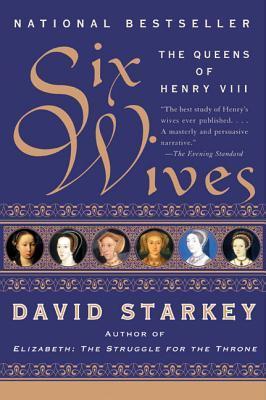
Six Wives: The Queens of Henry VIII
Book Description
Six wives, and each one a fascinating story. David Starkey unveils the turbulent lives of the queens who shaped history in the shadow of King Henry VIII. Ambition, betrayal, love, and loss intertwine as these women navigate a treacherous court, each vying for power and survival. From the fiery Anne Boleyn to the steadfast Catherine of Aragon, their voices echo across the ages, revealing not just their struggles but the heart of a monarchy in turmoil. As secrets unravel and loyalties shift, one question looms: what price will they pay for a crown?
Quick Book Summary
"Six Wives: The Queens of Henry VIII" by David Starkey provides a rich, dramatic account of the lives of Catherine of Aragon, Anne Boleyn, Jane Seymour, Anne of Cleves, Catherine Howard, and Catherine Parr. Starkey presents each queen as a unique figure, revealing how personal ambition, religious upheaval, and royal politics intertwined within Henry VIII’s turbulent reign. From devotion and political maneuvering to betrayal and tragedy, the six wives both shaped and were shaped by the shifting tides of Tudor England. Starkey’s narrative not only humanizes these women, delving into their fears and desires, but also highlights their profound influence on dynastic change, religious reform, and the enduring story of the English monarchy.


Summary of Key Ideas
Table of Contents
Ambition and Survival in the Tudor Court
Starkey opens with an exploration of Catherine of Aragon’s arrival from Spain and her role as Henry’s beloved queen. Her long marriage is marked by initial happiness, military support, and tragic personal loss, especially her failure to produce a male heir. The pressures of dynastic succession and Henry’s growing attraction to Anne Boleyn set the stage for the fracturing of old alliances and the emergence of religious turmoil across England.
Religious Upheaval and the Birth of the Church of England
Anne Boleyn’s rise brings ambition and transformation. As Anne captivates Henry, her intelligence and Protestant leanings influence not only court culture but also ignite the English Reformation. However, court intrigue and her inability to provide a son lead to her downfall. With her execution, Starkey underscores the dangers faced by women wielding power in a male-dominated society, and how quickly favor could turn to fatal suspicion.
Love, Betrayal, and Tragedy
Jane Seymour’s brief queenship showcases stoic loyalty and the fulfillment of Henry’s dynastic hopes, as she gives birth to the longed-for son, Edward. Her early death leaves Henry grief-stricken, yet the monarchy’s future is secured, at least temporarily. Jane’s contrast with her predecessor highlights the varying ways the queens navigated both political peril and personal aspiration.
Female Agency and Influence
The stories of Anne of Cleves, Catherine Howard, and Catherine Parr further reflect the unpredictable hazards of royal marriage. Starkey recounts Anne of Cleves’ political importance yet personal estrangement, Catherine Howard’s youthful folly and tragic betrayal, and Catherine Parr’s mature wisdom and surviving influence over Henry and his heirs. Each queen’s experience contributes distinctively to the narrative of shifting power and the evolution of expectations for women at court.
Legacy and the Fate of the Monarchy
In examining the legacies of all six wives, Starkey draws out the enduring effects of Henry’s marital decisions: England’s religious transformation, the redefinition of monarchy, and the shaping of future generations. The six queens, often seen as secondary to Henry’s story, emerge as key agents in their own right—ambitious, resilient, and influential—whose personal sacrifices and triumphs left an indelible mark on English history.
Download This Summary
Get a free PDF of this summary instantly — no email required.