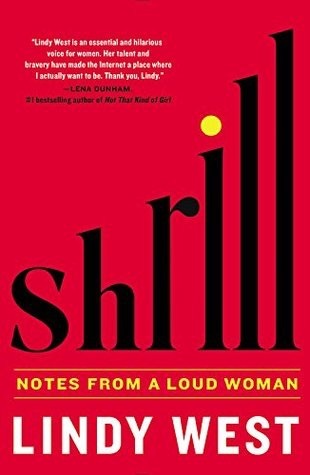
Shrill: Notes from a Loud Woman
Book Description
A voice that shatters the silence. Lindy West’s “Shrill: Notes from a Loud Woman” bursts forth with raw honesty and unflinching humor, challenging society’s cruel standards and sparking a fierce battle for women’s rights. From fat-phobia to feminism, each essay vibrates with truth and vulnerability, weaving personal stories that resonate far beyond the page. West navigates the chaotic intersection of identity, culture, and body image with a fierce determination that leaves echoes of empowerment. What happens when one woman refuses to be quiet?
Quick Book Summary
“Shrill: Notes from a Loud Woman” by Lindy West is a witty, visceral collection of essays that explores identity, feminism, and self-acceptance in a world that too often silences women. With searing humor and vulnerability, West examines her experiences as a fat woman, a feminist, and a public figure working as a writer and comedian. She tackles society’s entrenched misogyny and fat-phobia, recounting how she learned to speak up for herself and others despite harassment and ridicule. Through stories ranging from her family life to publicly confronting internet trolls, West weaves a personal narrative with resonant cultural critique, encouraging readers to reject shame and embrace their voices.




Summary of Key Ideas
Table of Contents
Challenging Body Image and Fat-Phobia
West’s memoir opens by examining how societal expectations around women’s bodies, especially fat-phobia, shaped her self-image from an early age. She discusses the sting of growing up as a child and young woman whose body was perpetually deemed wrong by cultural standards. Rather than internalizing this shame, West gradually learns to confront and critique these narratives, using her lived experience as a starting point for broader commentary on body positivity. Her reflections blend personal anecdotes—about dieting, bullying, and self-acceptance—with broader analysis of how media perpetuates harmful beauty standards.
Finding and Wielding One's Voice
A central theme of the book is West’s journey toward finding her public voice, particularly as a writer, comedian, and media critic. She recounts pivotal moments when her willingness to be “loud”—by addressing sexism in comedy or fat-shaming in print—was met with both backlash and support. These essays demonstrate the courage it takes for marginalized individuals to speak honestly, especially in male-dominated fields. Through trials both personal and professional, West’s narrative urges readers to embrace discomfort, shed politeness when necessary, and assert their worth.
The Impact of Internet Harassment and Misogyny
West’s position in the public eye makes her a frequent target for online harassment, a topic she approaches with both humor and sobering honesty. She details the viciousness of trolls and the emotional toll of constant misogynistic abuse, using her experience to illuminate the systemic silencing of women online. In one essay, she recounts an extraordinary episode of confronting a troll impersonating her dead father; the exchange ultimately reveals the humanity behind online hatred, but also the cost of perpetually defending one’s existence in the digital public sphere.
Navigating Feminism and Personal Identity
Beyond personal narrative, West weaves in her evolving understanding of feminism, exploring how her own identity as a fat woman, writer, and partner influences her perspective. She discusses key moments of growth, such as moving past the need for male approval and advocating for inclusivity within feminist movements. West is openly critical of feminism’s shortcomings and blind spots, yet insists on its necessity. Her essays interrogate intersections between gender, privilege, and social justice, emphasizing that self-acceptance is deeply political.
Humor as a Tool for Activism and Survival
Throughout, West employs sharp wit and a distinctive comedic voice to soften but not obscure hard truths. Humor becomes a means of coping with pain, transforming personal hardship into collective catharsis. West’s humor is a tool for survival and activism, breaking the silence around taboo subjects like menstruation, abortion, and body shaming. Through laughter, she builds community and empathy, ultimately encouraging readers to be unapologetically themselves and resist societal pressures to shrink or silence their voices.
Download This Summary
Get a free PDF of this summary instantly — no email required.