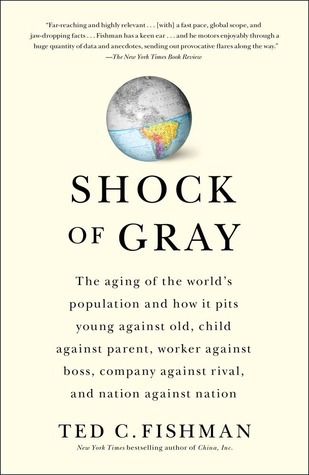
Shock of Gray: The Aging of the World's Population and How it Pits Young Against Old, Child Against Parent, Worker Against Boss, Company Against Rival, and Nation Against Nation
Book Description
As silver strands weave through the world's tapestry, a seismic shift is unfolding — the global population is aging, and the clash of generations is just beginning. Ted C. Fishman dives into a compelling examination of how this unprecedented change ignites conflicts: young workers vying for jobs against seasoned veterans, nations grappling for resources, and families torn apart by diverging needs. With the stakes high and tensions palpable, can society bridge the chasm between youth and age, or will the divisions deepen, threatening the very fabric of community? What happens when the future generation must confront the weight of its past?
Quick Book Summary
"Shock of Gray" by Ted C. Fishman charts the dramatic consequences of the global population's rapid aging. As birth rates fall and life expectancies rise, the age balance tilts, upending long-standing social, economic, and political norms. Fishman explores how societies must adapt to an older demographic: workplaces filled with veteran employees, mounting pressure on pension systems, and generational rivalry for resources and opportunities. He traverses countries on the front lines of this transformation, including Japan, China, and the United States, weaving together personal stories and global trends. Ultimately, Fishman emphasizes that while population aging presents daunting challenges—ranging from economic disruption to strained family structures—it also yields opportunities for innovation, empathy, and policy reform if societies are willing to act.




Summary of Key Ideas
Table of Contents
The Economic Impact of an Aging Workforce
Fishman underscores the seismic economic shifts caused by aging populations. As people live longer and retire later, the workforce becomes older, creating tension between younger and older workers. Younger generations face obstacles in entering the workforce or advancing careers, while older workers may resist retirement out of necessity or status. This competition strains job markets, wage structures, and company cultures. Productivity and economic growth become harder to sustain, especially as older consumers' needs and buying habits alter entire industries. Pension and retirement systems buckle under the demographic pressure, threatening intergenerational equity and national fiscal health.
Social and Family Dynamics Across Generations
Beyond economics, population aging reshapes social and family dynamics. With adults living longer, multi-generational households are more common, leading to both support and conflict among age groups. Caregiving duties shift, often falling on middle-aged children who must balance their parents' needs with their own careers and families. This dynamic can strain relationships and lead to tough decisions about living arrangements or elder care. Meanwhile, changing attitudes toward aging challenge societal notions of elder respect versus the desire for independence and self-fulfillment.
Challenges to Healthcare and Social Welfare Systems
Healthcare and social safety nets face unprecedented strain. As the prevalence of chronic diseases rises with age, healthcare systems must accommodate greater demands while grappling with cost containment and infrastructure limitations. Governments struggle to fund pensions, health programs, and elder support, especially as tax bases shrink due to lower birth rates and smaller working populations. These pressures spark political debates over resource allocation, generational fairness, and the sustainability of traditional social contracts.
Global Demographic Shifts and International Tensions
On a global scale, demographic transformation reorients nations' fortunes and relationships. Countries like Japan and many European nations grapple with extreme aging, while nations like India remain relatively young. This divergence incites competition for labor, migration, and innovation. Societies with older populations may lose economic dynamism and geopolitical influence, while younger countries face different challenges in job creation and social stability. International tensions over migration, trade, and resource distribution intensify as demographic divergence shapes global power balances.
Opportunities for Societal Adaptation and Innovation
Despite the daunting challenges, Fishman highlights pathways for adaptation and opportunity. Aging populations drive demand for new technologies and services tailored to older adults, encouraging innovation across industries. Societies and businesses that embrace older workers, rethink retirement, and invest in lifelong education can better harness the skills and wisdom of aging citizens. Intergenerational cooperation—politically and within families—emerges as essential, enabling societies to navigate conflicts productively. Fishman contends that how the world responds to this demographic “shock of gray” will define future prosperity, cohesion, and resilience.
Download This Summary
Get a free PDF of this summary instantly — no email required.