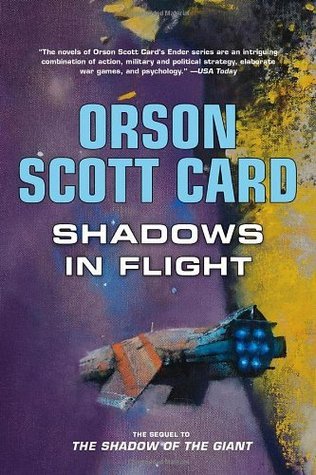
Shadows in Flight
Book Description
Betrayal and hope collide in a universe where flight is freedom and shadows hide dark secrets. As the remnants of a fractured humanity navigate treacherous space, one man's quest for redemption leads him to confront both cosmic dangers and the ghosts of his past. With each heartbeat, alliances shatter and new truths come to light, forcing everyone to choose between survival and sacrifice. The stakes are impossibly high, and the vast emptiness of space echoes with lost dreams. Can love endure when the very fabric of life is at risk? What sacrifices must be made to bring the light back to the shadows?
Quick Book Summary
"Shadows in Flight" by Orson Scott Card dives back into the Enderverse, following Bean—now known as the Giant—and his genetically modified children as they journey through the stars in desperate search for a cure to their genetic condition: Anton's Key. The story explores a collision of human resilience and vulnerability as Bean's intelligent offspring face isolation, mortality, and the burden of their astonishing intellects. When the crew encounters an unknown alien threat, the stakes escalate, forcing them to confront their fears and each other. Through sacrifice, ingenuity, and an exploration of what it means to be human, "Shadows in Flight" questions whether hope can thrive in the darkest reaches of space and if redemption is possible for those haunted by the past.




Summary of Key Ideas
Table of Contents
Genetic Destiny and the Search for a Cure
The narrative begins with Bean, aged by his genetic defect, and his three children—Ender, Carlotta, and Cincinnatus—aboard the starship Herodotus, decades after fleeing Earth in pursuit of a solution to Anton’s Key. This rare genetic gift has granted them unmatched intelligence but a shortened life plagued by uncontrollable growth. The family’s existence is marked by isolation, secrecy, and the heavy expectation of finding a cure, as Bean himself approaches the end of his life while his children grow increasingly aware of the burden they carry.
Isolation and Yearning for Connection
The isolation aboard the Herodotus shapes the children’s relationships and understanding of humanity. Raised only by each other and the fading presence of their father, they wrestle with loneliness and the lack of a broader social world. Their interactions are marked by both reliance and rivalry, highlighting the complexities of growing up intellectually superior yet emotionally starved. Through their shared predicament, the siblings develop a unique bond, balancing compassion, frustration, and the primal need for companionship in the void of space.
The Nature of Intelligence and Humanity
The children’s unparalleled intellect affects their perception of the universe and their place within it. While they possess the capacity for rapid learning and problem-solving, they also face existential challenges, questioning the purpose of their existence and the legacy they might leave. Their intelligence becomes both blessing and curse, shaping their identity, relationships, and hopes for the future. The tension between their intellectual gifts and emotional needs provides a powerful exploration of what truly defines humanity.
Encountering Otherness and the Unknown
A turning point arrives as the Herodotus stumbles upon a mysterious object—a Formic, or "Buggers," life ship. The encounter with alien otherness reignites themes of fear, curiosity, and survival. The siblings work together to communicate, strategize, and assess the threat. In the process, they are forced to confront their own mortality and the potential costs of compassion. The encounter ultimately offers new understanding, opportunities for growth, and the possibility of a legacy beyond their original mission.
Sacrifice and the Hope for Redemption
As the story unfolds, each sibling is forced to grapple with sacrifice. Whether faced by the looming specter of death, the choice to preserve the family at all costs, or the decision to trust and cooperate with alien beings, their journey is one of hope against overwhelming odds. Through teamwork, empathy, and courage, they discover that redemption is possible—even in the most profound isolation. In the end, "Shadows in Flight" reflects on how love, hope, and sacrifice can bring light to the darkest shadows, offering a way forward for both individuals and humanity.
Download This Summary
Get a free PDF of this summary instantly — no email required.