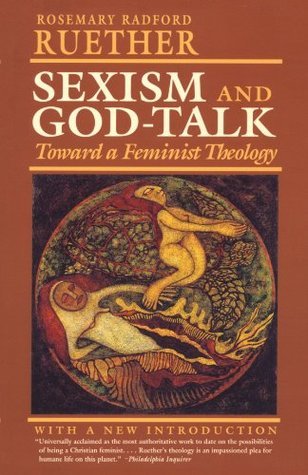
Sexism and God Talk: Toward a Feminist Theology
Book Description
Dare to challenge the divine? In "Sexism and God Talk," Rosemary Radford Ruether ignites a seismic shift in theological discourse, exposing the entrenched patriarchy within religious traditions. With fierce clarity, she dismantles oppressive narratives and unveils a vibrant feminist theology that reclaims the sacred. Her powerful insights resonate across cultures, urging a bold transformation in the way we understand God and gender. As ancient beliefs crumble and new visions rise, what will it take to forge a future where the divine is inclusive and empowering for all?
Quick Book Summary
"Sexism and God Talk" by Rosemary Radford Ruether is a groundbreaking work that challenges the deeply embedded patriarchal structures within theology and religious traditions. Ruether critically examines how traditional God concepts and religious language have been shaped by sexist assumptions, leading to the exclusion and oppression of women. Employing feminist critique and historical analysis, she explores the roots of sexism in religious thought and proposes a transformative vision for feminist theology. Ruether calls for a reimagining of the divine that is inclusive, life-affirming, and just, breaking away from hierarchical and male-centric models. Her work not only exposes the problems with traditional theological discourse but also offers constructive paths for developing a theology where women and marginalized voices are fully empowered.



Summary of Key Ideas
Table of Contents
Critique of Patriarchal Theology
Ruether begins by scrutinizing the patriarchal foundations of traditional theology, highlighting how concepts of God have been developed primarily through male-centric perspectives. She demonstrates that religious doctrines, language, and structures have systematically marginalized women, reinforcing gender hierarchies and legitimizing social inequality. Through detailed analysis, Ruether identifies both overt and subtle ways in which sexism is woven into religious thought and practice, setting the stage for the necessity of feminist intervention.
Feminist Reinterpretation of God
Delving further, Ruether traces the historical and cultural origins of sexism in religious traditions. She examines how ancient myths, sacred texts, and theological constructs have been interpreted to subordinate women and sanctify male hierarchy. Ruether connects these patterns to broader societal structures, showing how theology has not only mirrored but actively reinforced patriarchal norms. By uncovering these deep roots, she illustrates the challenge and urgency of transforming religious discourse.
Historical Roots of Sexism in Religion
With this foundation, Ruether articulates core principles for feminist theology. She argues that authentic theology must be measured against criteria of justice, liberation, and inclusivity. This involves a critical re-examination and reinterpretation of sacred texts, rituals, and theological language, seeking to uproot entrenched sexism and reclaim symbols that affirm women’s full humanity. Ruether proposes new models of God-talk that transcend gender binaries, challenging the association of the divine solely with maleness.
Developing an Inclusive and Liberating Theology
Central to Ruether’s vision is the development of a theology that values the experiences and voices of women and other marginalized groups. She insists that theological reflection must arise from lived realities and communal struggles for justice, rather than abstract dogmas. Such a theology, Ruether maintains, would move beyond domination and exclusion, building spiritual frameworks that foster wholeness, equality, and mutual empowerment within religious communities and wider society.
Ultimately, "Sexism and God Talk" is a manifesto for transforming both faith and culture. Ruether’s bold synthesis of critique and constructive vision calls theologians, believers, and institutions to engage in honest self-examination and to actively participate in creating an inclusive, liberating future for spirituality. Her work remains a touchstone for ongoing debates about gender, power, and the reimagining of the sacred.
Download This Summary
Get a free PDF of this summary instantly — no email required.