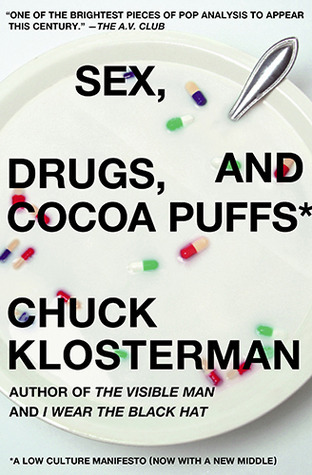
Sex, Drugs, and Cocoa Puffs: A Low Culture Manifesto
Book Description
What happens when pop culture collides with the raw chaos of modern life? In "Sex, Drugs, and Cocoa Puffs: A Low Culture Manifesto," Chuck Klosterman navigates the bizarre landscape of contemporary existence, dissecting everything from reality TV to celebrity gossip. With sharp wit and unflinching honesty, he unveils the absurd truths hiding beneath the surface of our obsessions. Each essay crackles with humor and insight, forcing a reflection on desire, identity, and the bizarre fabric of daily life. Can we truly understand ourselves amidst a world addicted to distractions?
Quick Book Summary
"Sex, Drugs, and Cocoa Puffs: A Low Culture Manifesto" is Chuck Klosterman’s witty and incisive meditation on how pop culture shapes, distorts, and reflects our inner lives. Through a series of essays, Klosterman examines the quirks of modern existence, drawing connections between the trivial and the profound. With humor and candor, he deconstructs everything from breakfast cereals to reality TV, showing how these seemingly frivolous facets of pop culture influence identity, romance, and society’s collective consciousness. By blending personal anecdotes with cultural critique, Klosterman unearths the hidden depths within our routine amusements and obsessions, challenging readers to reconsider the meaning and value of low culture in the context of contemporary life.





Summary of Key Ideas
Table of Contents
Pop Culture as Identity
Klosterman opens by asserting that modern identity is deeply enmeshed with pop culture. Our sense of self is less a reflection of intrinsic traits and more a curated montage of references from TV, music, movies, and even breakfast cereals. He humorously explores how individuals use cultural phenomena as shorthand to express who they are and find like-minded tribes. The icons and media we consume become part of our internal story, blurring the lines between authentic self and pop-culture projection.
The Romanticization of the Ordinary
Through his essays on subjects like John Cusack’s film characters and magazine journalism, Klosterman investigates how we idealize average experiences. He observes that mass culture often transforms the quotidian into something mythic. Reality TV contestants, mediocre rock bands, and even televised sporting events are recast as epic narratives. In celebrating the ordinary, pop culture provides meaning and drama, encouraging us to view our own mundane routines as uniquely significant stages.
Reality Versus Perception
A recurring theme is the tension between reality and perception. Klosterman dissects the artificiality of reality television and the fabricated glamour of celebrity, revealing how these constructions influence our understanding of what’s possible and what’s desirable. He interrogates how expectations set by media often clash with lived experience—particularly in matters of romance, success, and fulfillment—leaving individuals to reconcile fantasy with the limitations of reality.
Obsession and Escapism
Klosterman delves into the concept of obsession, suggesting that our devotion to trivialities—be it sports fandom, music subcultures, or cult films—serves as both escape and emotional anchor. He argues that fixating on something small and intensely specific offers control and identity in a chaotic world. These obsessions, while often mocked, are meaningful, binding communities together and imbuing otherwise unremarkable lives with passion and purpose.
Media’s Influence on Desire
Ultimately, Klosterman unpacks how media and cultural consumption mold our desires and aspirations. From the archetypes of romantic partners shaped by film, to the collective quest for authenticity, he demonstrates that pop culture is both a mirror and a shaper of collective longing. He invites readers to engage critically with low culture—not merely as entertainment, but as a lens to decode the absurdities, yearnings, and contradictions at the heart of modern existence.
Download This Summary
Get a free PDF of this summary instantly — no email required.