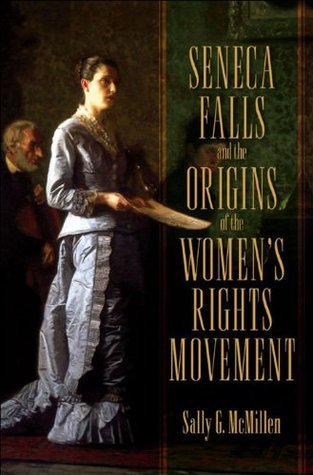
Seneca Falls and the Origins of the Women's Rights Movement
Book Description
A quiet town erupted into a thunderous call for justice. In 1848, a group of determined women gathered at Seneca Falls, igniting a movement that would change the course of history. Voices once silenced found strength in unity, challenging societal norms and demanding equality. This gripping narrative unravels the fierce battles fought in drawing attention to women’s rights. Discover the iconic figures, the heart-wrenching struggles, and the electrifying moments that fueled their fight. What risks did they take, and how far were they willing to go for a future where freedom and equality thrived?
Quick Book Summary
"Seneca Falls and the Origins of the Women's Rights Movement" by Sally G. McMillen explores the pivotal moments leading up to and following the landmark 1848 Seneca Falls Convention in upstate New York. The book paints a vivid backdrop of 19th-century American society, revealing the deep limitations placed on women’s lives. Through detailed portraits of key figures like Elizabeth Cady Stanton and Lucretia Mott, McMillen uncovers the courageous spirit and unyielding determination that galvanized women to organize and advocate for their rights. The narrative traces the significance of the Seneca Falls meeting, the drafting of the Declaration of Sentiments, and the interconnectedness of women’s activism with abolitionism. By examining the political and social obstacles, McMillen shows how the early women’s rights movement laid lasting foundations for future progress.



Summary of Key Ideas
Table of Contents
Women’s Status and Social Limits in 19th Century America
American women in the early 19th century lived circumscribed lives with few personal, legal, or economic rights. Their roles were rigidly defined by social customs and legal constraints, such as coverture, which placed them under their fathers’ or husbands’ authority. Educational and professional opportunities were limited, and married women could not own property or vote. These constraints, combined with emerging social reform movements, set the stage for an extraordinary shift.
Catalysts for Activism: Reform, Religion, and Abolition
The antebellum period witnessed the rise of reform energy in America, influenced by evangelical religion and the spirit of abolitionism. Many emerging women activists sharpened their skills in abolitionist circles, where they learned organizing, public speaking, and writing. The growing contradiction between advocating for freedom for enslaved people while being denied rights themselves fueled frustration among women like Elizabeth Cady Stanton and Lucretia Mott. Their networks and experiences in reform work made them keenly aware of the need for gender equality.
The Importance and Impact of the Seneca Falls Convention
The Seneca Falls Convention of 1848 emerged as a turning point. Called jointly by Stanton, Mott, and several others, it was the first organized gathering dedicated specifically to discussing women’s rights. The drafting and signing of the Declaration of Sentiments, which explicitly demanded voting rights and equality, marked a radical stance. Though controversial and only signed by a few men and women present, the convention brought unprecedented publicity to women’s issues and inspired subsequent meetings and activism.
Key Leaders and Their Philosophies
Key leaders such as Stanton, Mott, Frederick Douglass, and later Susan B. Anthony each contributed unique philosophies and strengths. Stanton provided intellectual leadership and rhetoric, while Mott’s Quaker faith emphasized moral conviction and equality. Frederick Douglass’s support underscored the links with abolitionism. These activists often faced public ridicule, social ostracism, and intense opposition but persisted in building effective networks and leveraging print media to amplify their message.
The Movement’s Legacy and Continuing Struggle
While immediate results were limited, the groundwork laid at Seneca Falls shaped the women’s rights movement for decades. The convention signaled the beginning of organized advocacy, inspired similar gatherings, and encouraged women to press for legal and social reform across the nation. McMillen details how these early efforts sowed seeds for future activism, influencing movements for suffrage, labor rights, and women’s autonomy even as many initial goals remained unfulfilled until much later.
Download This Summary
Get a free PDF of this summary instantly — no email required.