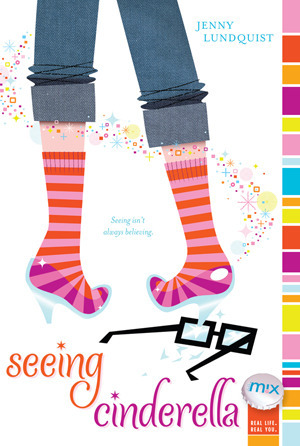
Seeing Cinderella
Book Description
Cinderella has always been a story of fairy tales and dreams, but what happens when the magic fades? When new girl Olivia lands the lead in the school play, she’s thrust into an unexpected world of friendships, rivalries, and hidden secrets. As she navigates the treacherous waters of middle school drama and grapples with the pressures of perfection, Olivia discovers that true beauty lies within—and that not every prince is worthy of her heart. With emotions running high and tensions mounting in the wings, will she find her voice before the curtain falls? Who will truly get their fairy tale ending?
Quick Book Summary
"Seeing Cinderella" by Jenny Lundquist is a whimsical yet emotionally resonant tale about Olivia, a shy middle schooler who is thrust into the limelight when she lands the lead role in her school’s Cinderella play. Navigating new friendships, rivalries, and the relentless pressure to be perfect, Olivia’s world changes when she acquires magical glasses that reveal people’s true feelings and secrets. As she uncovers what's hidden beneath the surface, she’s forced to confront her own anxieties and insecurities. Magic and reality intertwine as Olivia learns that beauty, confidence, and friendship are deeper than mere appearances. In finding her voice, Olivia realizes that not every "fairy tale ending" is what it seems, and true happiness comes from embracing one’s authentic self.



Summary of Key Ideas
Table of Contents
The Power and Peril of Magical Perspective
Olivia’s life takes a dramatic turn when, as the new girl at school, she is unexpectedly cast as the lead in the school’s Cinderella production. Known for being shy and self-conscious, Olivia struggles with self-doubt and fears the judgment of her classmates. As rehearsals begin, she faces the intimidating world of middle school social hierarchies, encountering both supportive new friends and jealous rivals who resent her sudden rise to the limelight.
Middle School Social Dynamics
Everything changes when Olivia receives a pair of magical, rhinestone-studded glasses. These glasses grant her the ability to see other people’s true emotions and secret thoughts hovering above their heads as word bubbles. Initially, Olivia is fascinated by this new power, using the glasses to navigate tricky social situations and to understand what others really think or feel. However, she soon discovers that knowing others’ secrets is both exhilarating and burdensome.
Authenticity vs. Appearance
While the glasses reveal hidden kindness in some classmates, they also expose petty jealousies and personal struggles. Olivia is forced to confront the complexities of friendship, rivalry, and trust. As she tries to use her insights for good, she realizes that wielding such knowledge can come with unintended consequences. The magic that once felt like a blessing becomes a test of her integrity, empathy, and willingness to grow beyond her own fears.
Navigating Friendships and Rivalries
Through the ups and downs of rehearsal chaos, friendship drama, and unexpected betrayals, Olivia gradually learns the value of authenticity. She begins to see that putting up a perfect front isn’t necessary for belonging or happiness. By removing the magical glasses and facing the world as herself—flawed and real—she finally finds both the courage and the voice to shine on and off the stage.
Empowerment and Finding One’s Voice
In the end, Olivia’s journey is about self-acceptance and empowerment. The story affirms that true beauty and strength come from within, not from magic or appearances. Olivia’s stage performance and her willingness to be vulnerable help her forge genuine connections and inspire those around her. Ultimately, she learns that the real fairy tale ending is finding confidence in who she truly is and in the friends who appreciate her for it.
Download This Summary
Get a free PDF of this summary instantly — no email required.