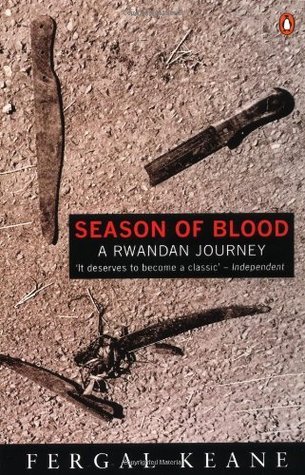
Season of Blood: A Rwandan Journey
Book Description
Blood spills and humanity hangs by a thread in the heart of Africa. Fergal Keane's 'Season of Blood: A Rwandan Journey' immerses readers in the harrowing landscape of Rwanda during one of history's darkest chapters. Through heart-wrenching personal stories and vivid accounts, the shocking brutality of genocide intertwines with moments of unexpected compassion and resilience. Every page pulses with raw emotion, revealing how hope can flicker even in the bleakest of times. What drives a nation to the brink, and what emerges from the ashes when the dust finally settles?
Quick Book Summary
"Season of Blood: A Rwandan Journey" by Fergal Keane is an unflinching eyewitness account of the Rwandan genocide of 1994. Through vivid reportage and personal reflection, Keane transports readers into a landscape convulsed by unimaginable violence where one million lives were lost in a matter of weeks. He skillfully blends horrowing scenes and survivor stories with an exploration of the social and political forces that led to the carnage. The book delves into the world’s delayed and inadequate response while highlighting moments of unexpected kindness and resilience. Keane not only documents the suffering but also pleads for deeper global empathy, showing how ordinary citizens were swept up in—and, in some cases, resisted—the tide of hatred. Through his journey, Keane offers poignant insight into the endurance of hope after unimaginable trauma.




Summary of Key Ideas
Table of Contents
Roots of Ethnic Hatred and Political Manipulation
Fergal Keane’s journey into Rwanda begins with an exploration of the deep-rooted social and political tensions that triggered the genocide. He traces the historical legacy of colonialism, which entrenched ethnic divisions between Hutus and Tutsis, and the role of a regime that manipulated these divisions for power. Keane carefully unpacks how propaganda, fear, and political opportunism stoked hatred, creating conditions ripe for mass violence and making the descent into chaos almost inevitable once the genocide began.
Eyewitness Testimony and Personal Narratives
Throughout his reporting, Keane centers the experiences of individuals who lived through the carnage. He recounts meeting survivors in refugee camps, hearing their stories of loss, terror, and miraculous escape. These personal narratives, filled with grief and resilience, bring the scale of the tragedy into stark focus. Keane’s own emotional struggle as an outsider bearing witness to such suffering is palpable, adding depth and immediacy to his storytelling and showing the ethical dilemmas facing journalists in conflict zones.
The Failure of International Intervention
A critical theme is the repeated failure of the international community to intervene. Keane details how global institutions and powerful nations ignored early warnings, delayed responses, and ultimately failed to prevent or halt the massacre. He offers a scathing indictment of the United Nations and Western governments, exposing the moral consequences of political indifference. Through clear examples, he shows how diplomatic inertia and bureaucratic hurdles contributed to the suffering of millions.
Human Resilience Amid Atrocity
Yet, Keane also documents stories of courage, compassion, and survival amid horror. He highlights Rwandans who risked their lives to protect others, acts of resistance by local and foreign individuals, and the remarkable resilience displayed by some survivors. These moments demonstrate that, even in the darkest times, humanity’s capacity for goodness endures. Keane uses these examples to challenge reductive narratives of Africa as merely a site of violence, instead revealing a complex tapestry of hope and tenacity.
Reflections on Humanity and Moral Responsibility
Ultimately, Keane reflects on the broader moral and philosophical questions raised by Rwanda’s tragedy. He contemplates the burdens of memory and the problem of evil, asking what drives neighbors to turn against each other and how societies can heal after such devastation. His writing is an urgent appeal for the world’s empathy and responsibility, reminding readers that indifference can be as fatal as hatred—and that understanding and compassion are essential to preventing future atrocities.
Download This Summary
Get a free PDF of this summary instantly — no email required.