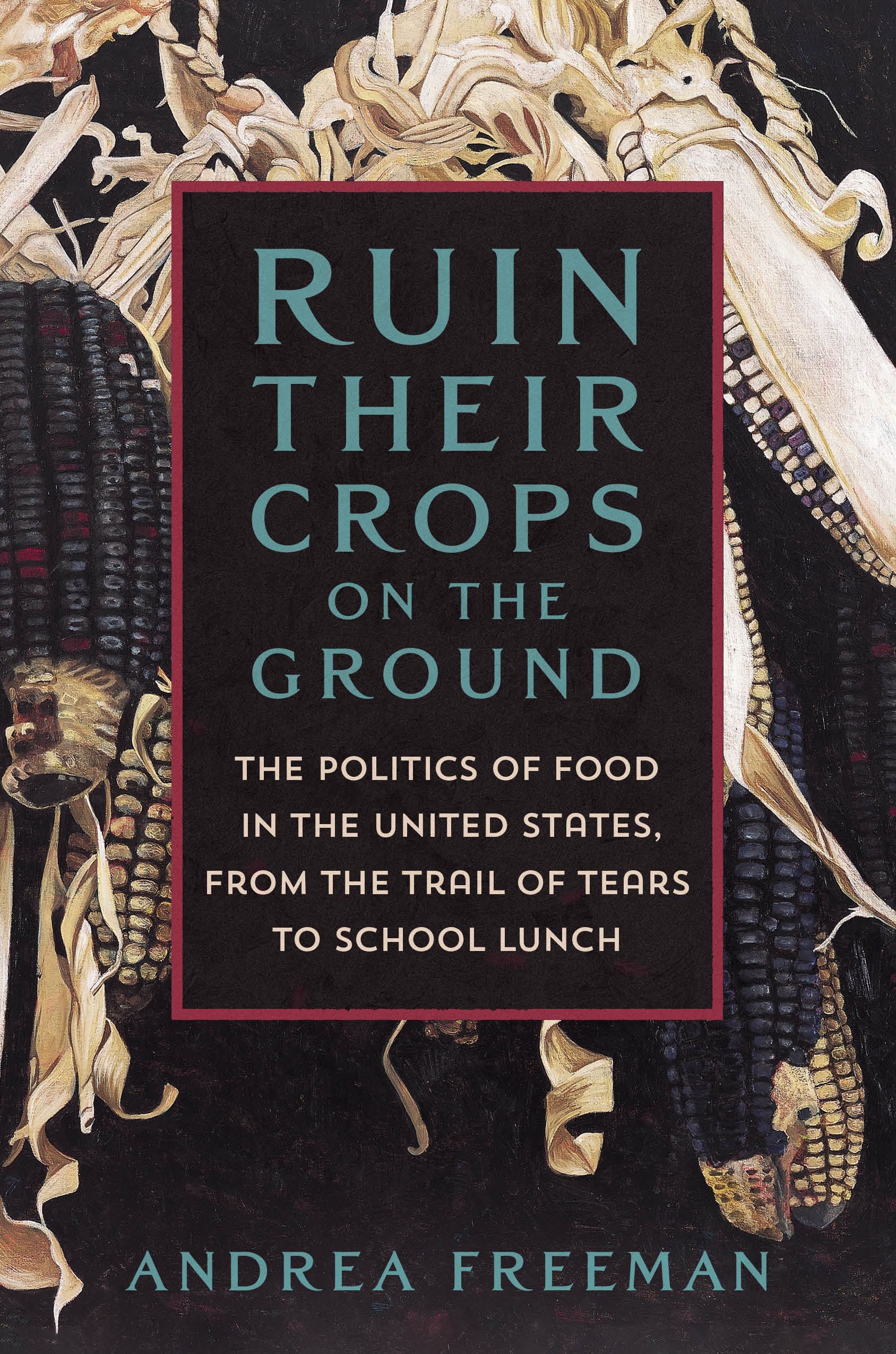
Ruin Their Crops on the Ground: The Politics of Food in the United States, from the Trail of Tears to School Lunch
Book Description
A harvest of hope lies buried beneath the weight of political maneuvering and systemic injustice. In "Ruin Their Crops on the Ground," Andrea Freeman unveils the dark history of food in America, where policies have shaped lives from the Trail of Tears to today's school lunchrooms. With gripping narratives and startling revelations, she exposes the struggles for access, equity, and dignity in every bite. As families fight to reclaim their right to nourish themselves, the stakes couldn't be higher. Can the broken food system be repaired, or are we destined to repeat the mistakes of the past?
Quick Book Summary
"Ruin Their Crops on the Ground" by Andrea Freeman traces the entwined histories of food policies, political power, and social justice in the United States. Freeman reveals how food has been wielded as a tool of control and oppression, from the devastation of Indigenous communities during forced removals such as the Trail of Tears to the biases embedded in school lunch programs today. The book spotlights the ways racialized and marginalized populations have struggled for autonomy over what, how, and when they eat. By examining the historical roots and contemporary challenges of food access, Freeman urges readers to rethink the meaning of nourishment, dignity, and the right to self-determination. The work ultimately calls for systemic change, highlighting both the resilience of communities and the urgent need to redesign the nation's food systems toward justice and equity.


Summary of Key Ideas
Table of Contents
Food as a Tool of Power and Oppression
Andrea Freeman begins by illustrating how the control of food resources has historically functioned as a means of asserting political and social power in the United States. From the earliest days of colonization, food policies have been engineered not simply for nourishment, but as instruments of domination. The forced displacement of Indigenous peoples, exemplified by the Trail of Tears, involved not just the theft of land but deliberate deprivation of food, underlining the direct link between food access and autonomy.
Racial and Economic Inequities in Food Access
The narrative moves to analyze how mechanisms of racial and economic inequality have persisted through food policy. Freeman details how Black, Latinx, and Indigenous communities have repeatedly faced barriers to land ownership, fair wages, and healthy food, all of which have contributed to ongoing cycles of poverty and disenfranchisement. Discriminatory practices from the Jim Crow era to redlining have consistently limited food access, resulting in far-reaching health and social consequences.
The Legacy of Colonialism and Indigenous Dispossession
Freeman draws attention to the persistent legacy of colonialism on Indigenous foodways. As land was seized and traditional agricultural practices were disrupted or criminalized, Native American communities lost not only sustenance but also vital aspects of cultural identity. In response, Indigenous activists have worked to reclaim traditional diets and restore food sovereignty, highlighting the inextricable bond between food, culture, and self-determination.
School Lunches and Modern Food Policy
Modern food policies, including the National School Lunch Program, are revealed as sites where biases and inequities endure. Freeman examines how school lunches have been influenced by political interests, corporate lobbying, and racialized assumptions about nutrition and deservingness. These policies often reinforce existing disparities, with children from marginalized backgrounds facing inferior options or stigmatization, underscoring how the politics of food continue to shape American childhoods.
Resistance, Resilience, and Hope for Reform
Despite these formidable challenges, the book ends on a note of hope grounded in the resilience and activism of affected communities. Freeman shares stories of resistance: grassroots efforts to build community gardens, movements for farmworkers’ rights, and campaigns for universal school meals. She argues that real transformation is possible only by confronting historical injustices and building a food system that honors dignity and justice for all, offering a vision of repair rooted in solidarity and collective action.
Download This Summary
Get a free PDF of this summary instantly — no email required.