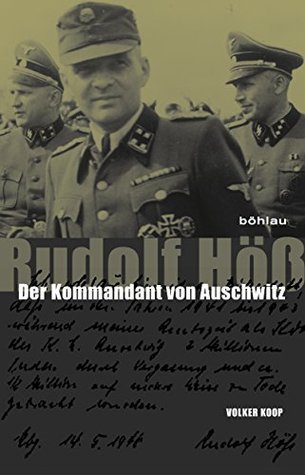
Rudolf Höß: Der Kommandant von Auschwitz. Eine Biographie
Book Description
A chilling portrait of evil unfolds in "Rudolf Höß: Der Kommandant von Auschwitz. Eine Biographie" by Volker Koop. Delve into the mind of the man who orchestrated mass suffering, overseeing the darkest chapter of human history. Through gripping narratives and stark revelations, the haunting realities of Auschwitz come alive—showcasing the terrifying efficiency of a bureaucrat turned executioner. This biography unravels the moral decay behind Höß's chilling orders, presenting a profound exploration of complicity and denial. As the world grapples with its past, how do we ensure such horrors never happen again?
Quick Book Summary
"Rudolf Höß: Der Kommandant von Auschwitz. Eine Biographie" by Volker Koop is a penetrating exploration into the life of the notorious commandant responsible for the organization and execution of mass murder at Auschwitz. Koop meticulously reconstructs Höß's path from an ordinary German upbringing to his central role in the machinery of the Holocaust. Through a critical examination of archival documents, personal testimonies, and Höß's own chilling confessions, the biography exposes the interplay between strict ideological obedience and personal ambition. Koop dissects the mechanisms of bureaucratic evil, tracing how ordinary individuals become enablers—and executors—of unimaginable atrocities. Beyond the story of a single man, the book grapples with the broader moral implications of collective guilt, complicity, and the enduring responsibility to remember and prevent such horrors in the future.





Summary of Key Ideas
Table of Contents
The Banality of Evil and Bureaucratic Efficiency
Rudolf Höß’s journey from a disciplined, duty-bound youth to the commandant of Auschwitz exemplifies the concept of the "banality of evil." Koop details how strict Prussian upbringing and post-World War I disillusionment primed Höß for unwavering obedience to authority. His rapid ascent through the SS demonstrates how ordinary individuals, within an efficient bureaucracy, can become vital components of genocidal machinery, detached from moral consequences.
The Psychological Transformation of Rudolf Höß
Koop examines the psychological factors influencing Höß’s transformation. Through personal writings, trial testimonies, and memoirs, the biography uncovers a man who justified atrocities through a warped sense of duty and ideological loyalty. Höß’s internal conflicts occasionally surface, but are ultimately suppressed by his determination to fulfill orders and maintain operational efficiency. Koop’s analysis suggests that such transformations are not unique, underlining the susceptibility of individuals to participate in horrific deeds under authoritarian regimes.
Mechanisms of Mass Murder at Auschwitz
At the core of the biography is an unflinching depiction of Auschwitz’s operational reality. Koop describes in detail the evolving methods of mass murder, the systematic processes developed for extermination, and the chilling rationality with which Höß approached logistical challenges. Through this, the reader is confronted with the terrifying efficiency of the death camp system, emphasizing the industrial-scale atrocity and the personal decisions that enabled its perpetuation.
Ideological Indoctrination and Personal Responsibility
Ideological indoctrination emerges as a central theme. Koop unpacks how Nazi propaganda and SS dogma created a framework for justifying genocide. Höß, deeply immersed in this ideology, saw his actions as necessary contributions to the Nazi cause. The book interrogates notions of personal responsibility and collective guilt, questioning how much autonomy individuals retain within totalitarian systems and how society should judge culpability after the fact.
Legacy, Remembrance, and Lessons for Humanity
Koop closes with a reflection on legacy and remembrance. Drawing on post-war trials, survivor narratives, and evolving public memory, he highlights the enduring relevance of confronting the past. The biography ultimately serves as a cautionary tale, urging vigilance against dehumanization and the dangers of uncritical obedience. Koop insists that understanding the mechanics and mindset behind Auschwitz is essential to ensuring that such tragedies never recur.
Download This Summary
Get a free PDF of this summary instantly — no email required.