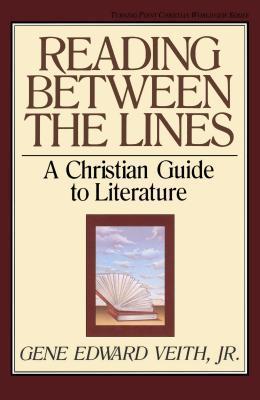
Reading Between the Lines: A Christian Guide to Literature
Book Description
Unlock the profound truths hidden within the pages of great literature. "Reading Between the Lines" takes you on a journey where faith and imagination collide, revealing how classic texts resonate with Christian principles. Dive into the heart of conflict and moral dilemmas as you explore the intricate dance of characters confronting their deepest fears and desires. Witness the powerful interplay of stories and spirituality that shapes our understanding of the world. This is more than reading—it's about illuminating the soul and finding meaning in every word. Are you ready to discover what stories can teach us about life and faith?
Quick Book Summary
"Reading Between the Lines" by Gene Edward Veith Jr. is a thoughtful exploration of how Christians can engage deeply with literature from a faith-based perspective. Veith asserts that stories, poems, and plays are not merely entertainment but vehicles for profound truth, capable of shaping our moral and spiritual imaginations. The book equips readers with tools to interpret classic and modern works in ways that recognize their impact on Christian understanding, spiritual growth, and cultural engagement. Veith examines how literature reflects human struggles, aspirations, and the overarching narrative of creation, fall, redemption, and restoration. By learning to read critically and theologically, Christians can uncover deeper meanings in texts, navigate ethical dilemmas, and discern how stories mirror—and sometimes challenge—biblical truths. Ultimately, Veith encourages believers to view literature not merely as an academic pursuit but as a spiritual practice that unveils glimpses of God's truth scattered across the literary landscape.




Summary of Key Ideas
Table of Contents
Literature as a Mirror of Human Experience and Faith
Gene Edward Veith Jr. begins by establishing that literature, in all its forms, mirrors the complexity of human experience. Far from being neutral or trivial, stories are living expressions of our deepest fears, hopes, and moral dilemmas. Veith argues that literature does more than entertain; it illuminates the struggles of humanity and reveals truths that can enrich Christian faith. He sees classic works not simply as relics but as living testaments that reflect the universal journey between sin and grace, alienation and redemption.
Interpreting Stories Through a Christian Worldview
Next, Veith explores how Christians should approach the act of reading itself. He introduces a framework for reading literature through a distinctly Christian worldview, considering biblical narratives as the lens through which all stories can be evaluated. Veith demonstrates how analyzing plot, setting, character, and theme can help believers discern underlying messages and worldviews. Critical reading becomes an act of discernment, where Christians evaluate the spiritual and moral implications of what they read and how these stories align with or challenge biblical truths.
The Moral and Spiritual Dimension of Characters and Conflict
The book delves into the ethical landscape of literature, focusing on the decisions characters make in moments of crisis. Veith highlights how stories allow readers to vicariously experience moral dilemmas, confront questions of sin, sacrifice, and forgiveness, and wrestle with their own values. By engaging with the narrative conflict in literature, Christians can practice empathy and self-examination. Veith suggests that this process of entering into a story’s world can lead to personal spiritual growth and a deeper understanding of God’s grace.
Imagination's Role in Spiritual Understanding
A significant portion of the work is devoted to the imagination and its relevance for Christian spirituality. Veith champions the idea that fiction, poetry, and drama stimulate our imaginations, enabling us to see the world—and scripture—with new eyes. Imaginative literature becomes a tool for envisioning spiritual realities and exploring the mysteries of faith in ways that abstract reasoning alone cannot achieve. In this view, the arts are infused with the capacity to point toward transcendence and to awaken spiritual longing.
Engaging Culture Through the Christian Reading of Literature
Finally, Veith addresses the engagement of contemporary culture through a Christian approach to reading and interpreting literature. He calls on believers to participate in cultural conversations by being literate and thoughtful readers, capable of discerning truth and beauty in both sacred and secular works. By thoughtfully engaging with literature, Christians can better understand the world, communicate their faith effectively, and witness to the enduring relevance of biblical truth amid the shifting narratives of society.
Download This Summary
Get a free PDF of this summary instantly — no email required.