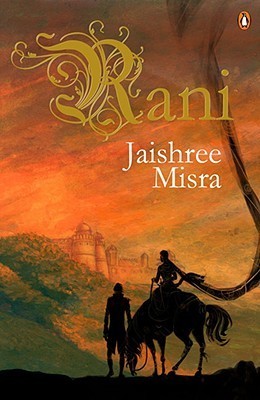
Rani
Book Description
Caught between the shimmering allure of tradition and the harsh realities of a relentless world, Rani fights for her identity and freedom. As she navigates the tangled web of familial expectations and her own desires, each decision leads her closer to a transformative revelation. Love, betrayal, and resilience intertwine in her gripping journey, where every choice carries the weight of her dreams—and fears. Friends become foes, and loyalties are tested under the blazing sun of societal judgment. Will Rani find the courage to carve her own path, or will she succumb to the chains of her past?
Quick Book Summary
Set against the turbulent backdrop of 19th-century India, "Rani" by Jaishree Misra follows the life of Lakshmibai, the legendary queen of Jhansi. Torn between the strict codes of tradition and her personal longing for freedom, Rani undergoes a profound transformation from a sheltered royal wife into a commanding leader and symbol of resistance. As she faces betrayal, heartbreak, and the upheaval of colonial rule, her internal struggles blend seamlessly with the external pressures of war and societal judgment. Misra deftly weaves together the sweeping romance and political intrigue of the time, painting a vivid portrait of a woman whose courage and resilience inspire those around her. Rani’s journey is at once intimate and epic, driven by the universal quest for identity, belonging, and self-determination.





Summary of Key Ideas
Table of Contents
Identity and Self-Discovery
Rani’s early life is defined by the interplay of regal privilege and personal constraints. Growing up within the insulated world of Indian royalty, her education and experiences are filtered through the expectations of family and society. From a young age, she senses a yearning for something beyond the gilded cage—a need to assert her own identity. Marriage to the ruler of Jhansi exposes her to both affection and suffocating duties, as she is thrust into the delicate balance between being a loving wife and a worthy queen. The conflict between her own desires and the heavy burden of tradition creates a deep internal struggle.
Tradition Versus Change
As colonial forces threaten Jhansi’s sovereignty, Rani is forced to confront the harsh realities of power and betrayal. Friendships sour into enmity as political alliances shift, and she must decide whom to trust in a world where every loyalty is tainted by survival or ambition. These turbulent times test her character and force her to question not just her place in the palace, but also her role as protector of her people. The personal becomes political as her private pains and hopes are rendered public, magnified by the demands of leadership.
The Complexity of Love and Loyalty
Romance acts as both balm and conflict in Rani’s journey. Her relationships—with family, advisers, and trusted confidants—are shaped by love, but also strained by responsibility and the threats facing her kingdom. The novel explores the delicate interplay between passion and duty, revealing the high emotional stakes that underpin her every decision. Moments of vulnerability coexist with displays of strength, illustrating Rani’s complexity as a character shaped by love but never defined solely by it.
Courage and Female Empowerment
Throughout the novel, themes of courage and female empowerment come to the fore. As Rani endures personal losses and public defeats, she refuses to be cowed by the patriarchal structures that seek to limit her. Instead, her setbacks fuel a transformation: she evolves from a reluctant ruler into a fearless warrior and strategist. Her capability to inspire loyalty—despite adversity and ingrained gender norms—becomes a beacon for those who rally to her cause, and her resilience redefines what it means to be a leader in a time of crisis.
The Costs of Rebellion
The cost of rebellion simmers throughout Rani’s story, culminating in heartbreaking sacrifices and pivotal decisions. Facing overwhelming odds against British colonial power, she perseveres, understanding the price her quest for freedom demands. Her struggle becomes a microcosm of India’s own fight for self-determination, bridging the personal with the historical. In the end, Rani’s journey transcends individual heroism, offering a meditation on the enduring spirit required to challenge oppression, and the bittersweet triumphs and losses that come with choosing one’s own destiny.
Download This Summary
Get a free PDF of this summary instantly — no email required.