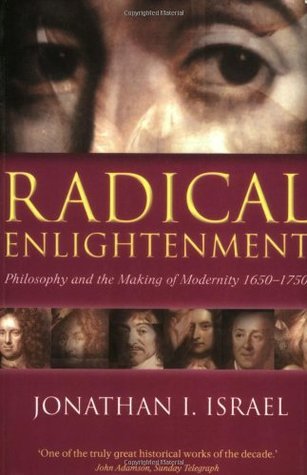
Radical Enlightenment: Philosophy and the Making of Modernity 1650-1750
Book Description
A fiery clash of ideas sparked the dawn of modernity. In "Radical Enlightenment: Philosophy and the Making of Modernity 1650-1750," Jonathan I. Israel takes readers on a gripping journey through the intellectual battleground where bold thinkers challenged the status quo. This riveting exploration unveils the fierce debates over freedom, religion, and reason that defined an era and forever transformed society. As radical philosophies collided with entrenched powers, new visions of democracy and human rights emerged. What if the very principles we hold dear today were born from this tumultuous, revolutionary time?
Quick Book Summary
"Radical Enlightenment" by Jonathan I. Israel offers an in-depth examination of the intellectual transformation that shaped modern Western thought during the 17th and 18th centuries. Israel argues that a radical strand of Enlightenment philosophy, rooted particularly in the ideas of Spinoza, underpinned many key modern values—reason, democracy, secularism, and equality. These revolutionary ideas fiercely challenged accepted traditions and the dominance of religious and monarchical authorities. Israel’s account demonstrates that the Radical Enlightenment was not merely a peripheral movement but a core force in the development of modernity, inspiring both widespread debate and strong opposition. Through the storm of competing philosophies and social upheavals, the book reveals how foundational concepts of toleration, free speech, and ethical universalism emerged, leaving a profound legacy for the contemporary world.



Summary of Key Ideas
Table of Contents
The Centrality of Radical Enlightenment
Jonathan Israel establishes the “Radical Enlightenment” as a distinctive and transformative current in European intellectual history. Unlike the so-called moderate Enlightenment, which advocated for gradual reform and collaboration with existing powers, the radical Enlightenment called for the full application of reason to all spheres of life, including religion and politics. This current, Israel contends, forms the true foundation of modern democratic and secular ideals. Radical thinkers, often risking persecution, proposed a fundamentally egalitarian social order, rejecting dogma and inherited privilege. Their philosophy formed the driving force behind many of the era’s controversies and upheavals.
Spinoza’s Influence on Modern Thought
Central to Israel’s thesis is the influence of Spinoza, whose ideas paved the way for a materialist worldview and a politics of equality and liberty. By challenging religious orthodoxy and emphasizing rational inquiry, Spinoza offered a blueprint for a new moral and political order based on universal reason. His writings inspired a network of radical thinkers across Europe who further advanced these ideas, shaping the intellectual climate of the Enlightenment and sowing seeds for later revolutions.
Conflict Between Reason and Religious Authority
The book details the fierce conflict between proponents of reason and defenders of religious and political authority. Figures like Voltaire, Bayle, and Diderot engaged in passionate debates that tested the limits of free thought and expression. Radical Enlightenment ideas frequently provoked official censure and societal backlash, highlighting their subversive power. Israel showcases how these debates were not simply theoretical, but had potent, real-world implications, threatening the established order and sparking wider social movements.
The Birth of Secularism and Human Rights
A key theme is the emergence of secularism and the concept of universal human rights. By emphasizing the separation of church and state and advocating for the equality of all individuals, radical Enlightenment thinkers laid the groundwork for modern secular democracies. Israel traces how these principles informed later political developments, from the American and French revolutions to evolving notions of civil liberty and tolerance. The radical Enlightenment thus emerges as a vital precursor to core modern values.
The Societal Impact and Legacy of Radical Ideas
In his comprehensive narrative, Israel asserts that the radical Enlightenment’s legacy is foundational for contemporary society. Despite facing significant opposition, its core tenets—rationalism, critical inquiry, and egalitarian ethics—have endured and flourished. The book concludes by positing that understanding the radical Enlightenment is crucial to grasping the origins of the freedoms and principles underpinning modern Western civilization.
Download This Summary
Get a free PDF of this summary instantly — no email required.