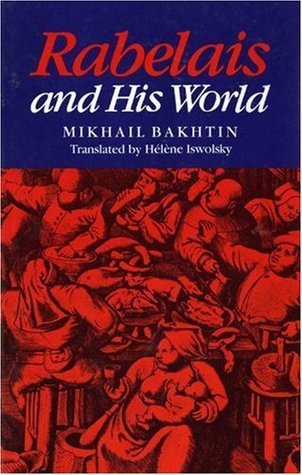
Rabelais and His World
Book Description
Step into a world where laughter and chaos collide, where laughter reigns supreme in the face of authority. Mikhail Bakhtin unveils the vibrant spirit of the Renaissance, exploring the subversive power of the grotesque and carnival in Rabelais' works. Through raucous feasts and liberating satire, the book uncovers the fierce dynamic between popular culture and the rigid structures of society. As voices clash and hierarchies crumble, the essence of human folly and joy bursts forth. How can the spirit of Rabelais inspire a revolution of laughter in our own troubled times?
Quick Book Summary
"Rabelais and His World" by Mikhail Bakhtin delves into the writings of French Renaissance author François Rabelais, exploring how his exuberant and earthy texts capture the rebellious, liberating spirit of the carnival. Bakhtin analyzes the concept of the carnivalesque—a mode of subversion in which everyday hierarchies and norms are overturned through humor, grotesque imagery, and communal festivity. Through Rabelais’ vivid depictions of bodily excess, feasts, and folk humor, Bakhtin demonstrates how laughter serves as a social force that challenges authority, mocks power, and unites people in shared humanity. By illuminating these dynamics, Bakhtin presents a vision of literature and life where renewal emerges through collective joy and critical laughter, offering insights with lasting relevance for society and culture.




Summary of Key Ideas
Table of Contents
The Carnivalesque and Social Inversion
Bakhtin traces how the medieval and Renaissance carnival, as depicted in Rabelais’ works, embodies a world temporarily freed from established order. During carnival, hierarchies are inverted and official rules are suspended—peasants mock kings, fools become wise, and the lowly are celebrated. This atmosphere allows suppressed voices and perspectives to surface, creating a vibrant, pluralistic space fundamentally at odds with authority. Carnival fosters community and transformation, shaping Rabelais’ vision of life as dynamic, inclusive, and ever-renewing.
The Grotesque Body and Bodily Imagery
A key facet of Rabelaisian imagery is the grotesque body—large, exaggerated, constantly consuming and excreting. Bakhtin argues that this focus on bodily processes represents life’s generative cycles, symbolizing both death and renewal. The grotesque realism of feasting, laughter, and earthy humor links all people in a universal experience. Unlike the classical, closed body of official aesthetics, the grotesque body is open, porous, and mutable, signifying creativity, change, and the potential to transcend constraints.
Laughter as a Force of Freedom and Critique
Laughter occupies a central place in Bakhtin’s analysis, not as trivial amusement but as a subversive, liberating force. The laughter in Rabelais’ world is communal and ambivalent—joyful yet unsettling, capable of exposing contradictions and absurdities in authority and customs. Laughter refuses to obey power, creating solidarity among the masses and cultivating a sense of shared folly and humility. For Bakhtin, such laughter is critical for cultural renewal, allowing individuals and societies to question, challenge, and ultimately transform themselves.
The Role of Folk Culture and Collective Spirit
Bakhtin highlights the importance of folk culture, with its collective rituals, sayings, and wisdom. In contrast to the solitary, serious tone of official culture, the communal spirit of folk traditions celebrates the common people, their earthy knowledge and humor. Rabelais draws from these deep popular roots, creating a literature that is dialogic, polyphonic, and fundamentally democratic. By privileging popular culture, Bakhtin emphasizes the enduring power of group expression and the subversive impact of collective joy.
Ultimately, Bakhtin’s reading of Rabelais provides a framework for understanding literature and society as evolving through cycles of renewal, challenge, and festivity. The carnivalesque model he uncovers not only offers insight into the past but poses a vital question for the present: how might the forces of laughter, the grotesque, and popular spirit inspire new kinds of resistance, solidarity, and creativity in our own troubled times?
Download This Summary
Get a free PDF of this summary instantly — no email required.