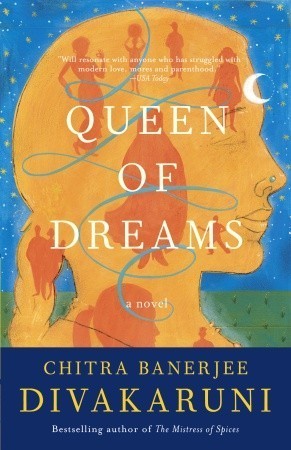
Queen of Dreams
Book Description
In a world where dreams are more than mere fantasies, the delicate threads of reality and desire begin to unravel. Rakhi is caught in a tumultuous web of family expectations and her own burgeoning ambitions. As her mother's haunting visions blur the lines between the past and present, Rakhi struggles to reclaim her identity amidst cultural clashes and fierce loyalties. Each dream, each revelation, pulls her deeper into a realm where hope flickers like a candle in the dark. Can she navigate the storm of love, betrayal, and buried secrets without losing herself completely? What happens when the dreams we chase turn into nightmares?
Quick Book Summary
"Queen of Dreams" by Chitra Banerjee Divakaruni is a lush, multi-layered tale about Rakhi, a second-generation Indian-American woman living in California. Rakhi is an artist and part-owner of a café, striving to balance her longing for independence with the pull of family ties and cultural identity. Her mother, a dream interpreter, passes down cryptic wisdom, blurring the line between dreams and waking life. After her mother's death, Rakhi discovers her mother's journals, which unravel secrets and histories that challenge her understanding of herself and her family. Against the backdrop of personal and societal upheaval, including the aftermath of 9/11, Rakhi seeks meaning amid love, betrayal, and forgiveness. Navigating through memory, magic, and modern-day struggles, Rakhi embarks on a journey of rediscovering connection, heritage, and hope.




Summary of Key Ideas
Table of Contents
Identity and Heritage
Rakhi's journey in "Queen of Dreams" revolves around her struggle to reconcile her Indian heritage with her American upbringing. As the daughter of a mysterious dream interpreter, Rakhi grows up feeling like an outsider—not fully comfortable with her family's traditions, nor entirely at home in the culture around her. This tension intensifies when she becomes a mother herself and divorces her husband, Sonny. The café Rakhi runs becomes a focal point for her ties to community and her own creativity, while also highlighting her sense of being caught between two worlds.
The Mystique of Dreams and Memory
Dreams play a pivotal role in shaping the emotional currents of the story. Rakhi's mother keeps the secret of her ability to interpret dreams, and these dreams function as a bridge to their ancestral homeland and history. After her mother's sudden passing, Rakhi discovers the dream journals, uncovering fragments of the past and glimpses of her mother's true identity. The act of reading and interpreting these journals brings Rakhi into deeper communion with her mother and offers her new insights into her own inner world.
Family, Loss, and Forgiveness
Themes of family, loss, and forgiveness are central as Rakhi negotiates a strained relationship with her father and an ambivalent bond with her ex-husband, who wishes to return to Rakhi and their daughter, Jona. The complex dynamics of love, betrayal, and grief play out against domestic tensions, making Rakhi's journey deeply personal and relatable. Forgiveness is portrayed as a gradual, challenging process—one that requires vulnerability and the willingness to bridge gaps left by silence or misunderstanding.
Cultural Dislocation and Belonging
The novel is set in the aftermath of 9/11, amplifying themes of cultural dislocation and the struggle for belonging. Rakhi witnesses her community grappling with increased suspicion and prejudice, further highlighting the marginalization experienced by immigrants and people of color. These events force Rakhi and those around her to confront issues of identity, safety, and acceptance, underscoring the resilience needed to survive and thrive amidst turmoil.
Resilience Amidst Change
Ultimately, "Queen of Dreams" is about the endurance of hope and the capacity for transformation. Rakhi's story is imbued with magical realism that brings out the spiritual and mystical elements woven through ordinary life. By piecing together her mother's past, making peace with loss, and embracing her own creativity, Rakhi learns to forge her identity anew. The novel closes on a note of cautious optimism, suggesting that despite uncertainty and loss, healing and self-discovery are always possible.
Download This Summary
Get a free PDF of this summary instantly — no email required.