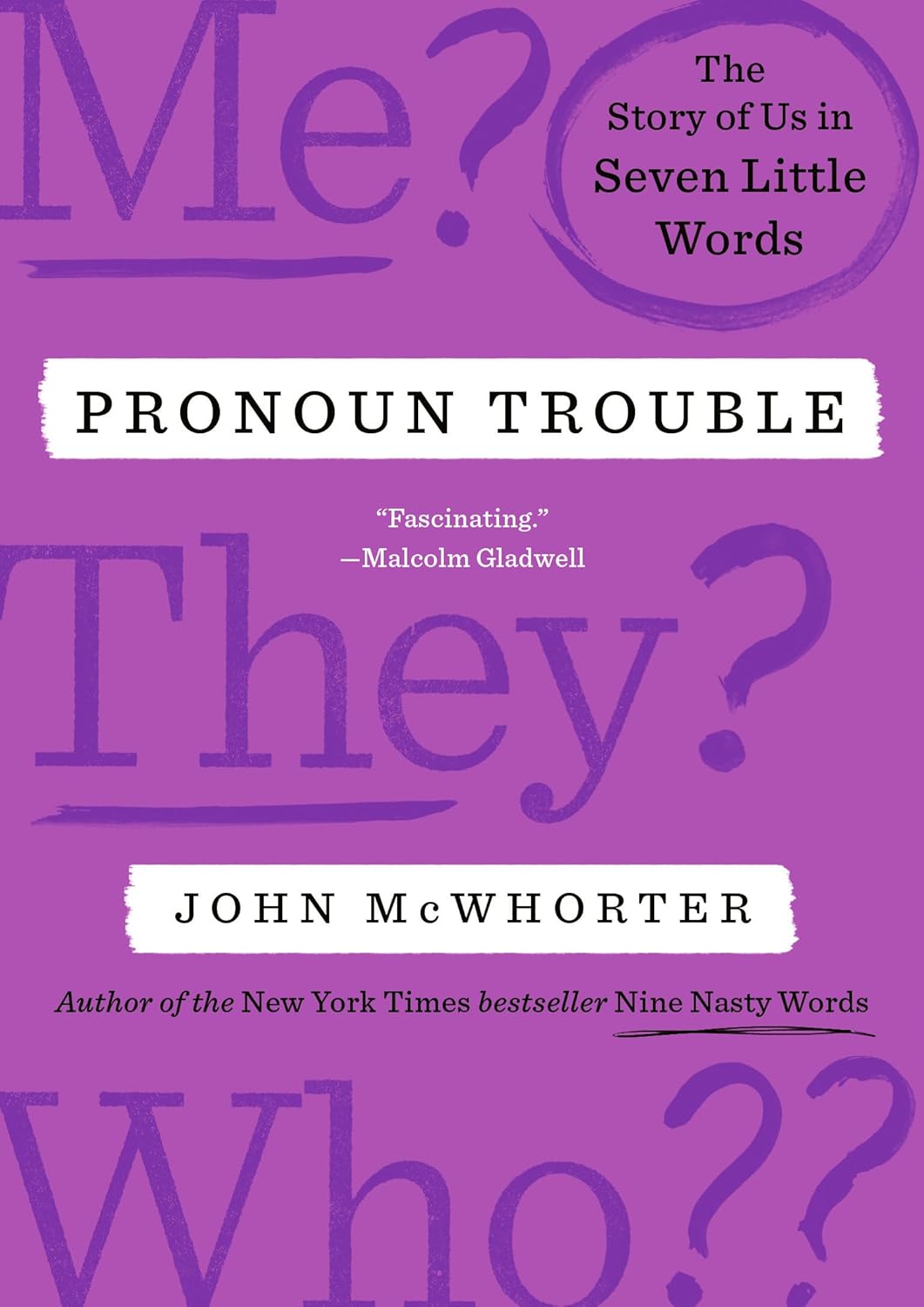
Pronoun Trouble: The Story of Us in Seven Little Words
Book Description
Words shape our world, but what happens when they divide us? In "Pronoun Trouble: The Story of Us in Seven Little Words," John McWhorter dives into the linguistic and cultural storm surrounding identity and inclusivity. With sharp insight and a compelling narrative, he unravels how our language reflects deep-seated conflicts and unspoken truths. From heated debates to groundbreaking shifts, McWhorter paints a vivid picture of a society grappling with understanding and acceptance. Can we bridge the gap between tradition and progress, or will our words keep us apart forever? Prepare to rethink how language defines us.
Quick Book Summary
"Pronoun Trouble: The Story of Us in Seven Little Words" by John McWhorter explores the profound and sometimes contentious influence of pronouns and related linguistic choices on modern culture, identity, and politics. Through the lens of seven pivotal words, McWhorter delves into how language both reflects and shapes personal and societal values. He examines the passionate debates around pronouns, especially as they pertain to issues like gender, inclusivity, and tradition. The book traces the historical evolution of language, revealing how certain words gain power and provoke division or foster unity. With wit and clarity, McWhorter encourages readers to see language not as a rigid set of rules, but as a living, adaptive tool for mutual understanding. Ultimately, the book presents both the challenges and possibilities that language offers as society navigates the complexities of identity and cultural progress.




Summary of Key Ideas
Table of Contents
The Evolving Nature of Pronouns and Identity
John McWhorter opens by examining the shifting landscape of pronouns in contemporary discourse, focusing on their central role in debates about gender and identity. He explains how a handful of words—"he," "she," "they," and others—have become charged symbols in battles over belonging and recognition. Through examples, McWhorter illustrates how language, far from being a mere technicality, embodies evolving attitudes toward inclusivity, personal autonomy, and community standards.
Language as a Mirror and Maker of Society
Tracing the historical evolution of pronouns and other foundational linguistic forms, McWhorter highlights that language adapts alongside social transformations. He discusses how pronoun changes over centuries mirror shifting power dynamics and cultural developments. Historical resistance to linguistic innovation is contrasted with eventual societal acceptance, suggesting that language naturally evolves to accommodate new understandings of identity and self-expression.
The Politics of Words and Cultural Conflict
McWhorter then delves into the political dimensions of linguistic change. He considers how passionate debates over pronoun usage often serve as proxies for broader ideological tensions, such as the struggle between progressivism and conservatism. By unpacking media controversies and public policies, he reveals how disputes about language frequently reflect deeper anxieties about tradition, authority, and social change.
The Challenge of Inclusivity Versus Tradition
Next, the book examines the challenges of balancing inclusivity with respect for tradition. McWhorter explores arguments from both sides of the debate—those advocating for revised pronoun usage and those wary of changing linguistic norms. He highlights the emotional and intellectual investments people have in language as a stabilizing force, as well as the necessity of adapting it to meet the needs of a diversifying population.
The Potential for Language to Build Bridges
Finally, McWhorter argues that language, when approached with empathy and openness, can be a powerful bridge for understanding. He encourages dialogue and flexibility, emphasizing that words need not divide us if we are willing to negotiate their meanings together. The book concludes with a cautious optimism: while words can ignite controversy, they also possess the unique ability to foster empathy, community, and progress when thoughtfully employed.
Download This Summary
Get a free PDF of this summary instantly — no email required.