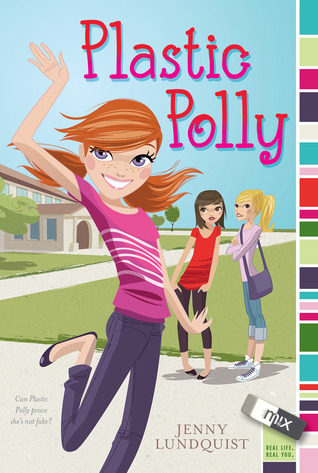
Plastic Polly
Book Description
Beneath the glittering facade of middle school popularity lies a world of jealousy, betrayal, and shocking truths. Polly’s carefully crafted life begins to unravel when her new friendship with a quirky outsider reveals the ugly side of her so-called friends. As secrets emerge and alliances shift, Polly must confront the real cost of fitting in versus being herself. With each choice she makes, the stakes rise, leading to a heart-pounding clash that could alter everything she believes about loyalty and self-worth. When the dust settles, will Polly choose the world she knows or the authenticity she craves? What happens when fitting in means losing yourself?
Quick Book Summary
"Plastic Polly" by Jenny Lundquist is a middle grade novel that explores the complexities of popularity, friendship, and self-acceptance. Polly is a seventh-grader who seems to have it all: friends, status, and a place among the popular crowd. However, beneath this shiny surface lies intense pressure to maintain her image, forcing Polly to suppress her authentic self. When Polly befriends Kelsey, a quirky newcomer, she is exposed to new perspectives that challenge her notions of loyalty and popularity. Secrets among her so-called friends surface, leading to betrayals and difficult choices. As her old world starts to crumble, Polly grapples with whether to keep up appearances or face painful truths and embrace who she really is. The story is a heartfelt examination of peer pressure, the struggle for acceptance, and the courage to stand up for one's true self.



Summary of Key Ideas
Table of Contents
The Cost of Popularity
Polly enters seventh grade at Wood Valley Middle School as a member of the popular clique, led by her best friend Alyssa. Known for her ability to organize and control, Polly strives to keep her spot in the group, earning the nickname "Plastic Polly" for her seemingly perfect but superficial persona. Her daily life is consumed by maintaining her image and pleasing her friends, which leaves little room for her true interests and personality to shine. The pressure to conform begins to weigh heavily, making Polly feel increasingly disconnected from herself.
Authenticity Versus Belonging
Polly's world shifts when Kelsey, a vibrant and unconventional student, joins the school. Tasked with co-chairing a major school event alongside Kelsey, Polly is initially wary but soon finds herself drawn to Kelsey's authenticity and disregard for social rankings. Spending time together, Polly recognizes the shallowness and exclusivity in her current friendships. Kelsey encourages her to explore who she really wants to be, planting seeds of doubt about the value of fitting in at any cost.
Navigating Friendship and Betrayal
As the school project progresses, cracks form in Polly's relationship with Alyssa and the popular group. Rumors, jealousy, and blame begin circulating, fueled by changing alliances and the exposure of secrets. Polly finds herself the target of gossip and must face the consequences of behaviors she once condoned or participated in. The experience forces her to confront hard truths about the loyalty and motives of her inner circle and to examine her own role in the group’s toxic dynamics.
Facing Peer Pressure
Under mounting peer pressure, Polly must choose whether to defend Kelsey and stand up for what’s right, even if it means risking her social status. She wrestles with feelings of isolation, fear, and the desire to fit in, realizing that maintaining her "plastic" persona comes at the expense of her happiness and integrity. Through these challenges, Polly discovers the strength to question the unwritten rules of middle school society and defy the expectations placed upon her.
Personal Growth and Self-Acceptance
Ultimately, Polly undergoes significant personal growth, learning to value sincerity over popularity. She recognizes the importance of being true to herself and forming healthy, genuine friendships. By the story’s conclusion, Polly begins to shed her false identity, accepting that real loyalty and self-worth come from within. "Plastic Polly" delivers a powerful message about the cost of conformity and the courage required to embrace one’s authentic self.
Download This Summary
Get a free PDF of this summary instantly — no email required.