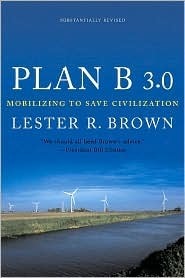
Plan B 3.0: Mobilizing to Save Civilization
Book Description
Civilization teeters on the brink of collapse, plagued by climate change, dwindling resources, and economic turmoil. Enter a bold strategy that dares to rewrite the future: *Plan B 3.0*. Here lies the blueprint for revolutionizing energy, food, and water systems, igniting a grassroots movement to transform despair into hope. With each compelling argument, this urgent manifesto rallies voices from every corner of the globe, unveiling the power of collective action. Can humanity unite to avert disaster and forge a sustainable path forward, or will the weight of inaction seal its fate?
Quick Book Summary
Plan B 3.0: Mobilizing to Save Civilization by Lester R. Brown is a clarion call for urgent, systemic change as humanity confronts climate crisis, resource depletion, and economic instability. Brown presents a vision that is both pragmatic and ambitious, outlining a comprehensive strategy—Plan B—to transform key systems like energy, food, and water to ensure a sustainable future. Grounded in interdisciplinary analysis, Brown explains how past approaches have failed and why sweeping reforms are needed to mobilize societies worldwide. The book mixes sobering facts with inspiring case studies, urging collective action at all levels of society. Echoing the stakes for civilization’s very survival, Brown advocates for a swift shift toward renewable energy, restoration of natural resources, and the adoption of policies that balance ecological well-being with economic prosperity.






Summary of Key Ideas
Table of Contents
The Converging Crises Threatening Civilization
Civilization faces unprecedented threats as ecological, economic, and social crises converge. Lester R. Brown frames the situation as dire: unchecked climate change, over-extraction of resources, collapsing water systems, and global population pressures are pushing humanity towards a tipping point. The failures of "business-as-usual"—Plan A—have made incremental change insufficient. Brown warns that without bold action, civilization risks severe destabilization, emphasizing how the issues are interconnected and require global cooperation.
Reinventing Energy and Resource Use
In response, Brown introduces Plan B, a holistic blueprint for stabilizing climate and ecosystem health while improving human well-being. The heart of this strategy is transitioning away from fossil fuels toward renewable energy sources such as wind, solar, and geothermal. Brown supports his arguments with evidence of technological and economic viability, noting falling costs and growing investment in sustainable infrastructure. He also highlights the potential for job creation and economic revitalization through a green energy revolution.
Creating Sustainable Food and Water Systems
Food and water systems are also in crisis, strained by population growth, soil degradation, and aquifer depletion. Brown details the need for sustainable agriculture: shifting diets, reducing food waste, and restoring natural systems like forests and grasslands to secure food supplies. Water conservation and improved management are similarly emphasized, relying on both technological innovation and community-driven solutions to safeguard resources for future generations.
The Imperative of Policy and Grassroots Leadership
Brown recognizes that technological solutions alone are not enough. Sweeping policy reforms, fiscal incentives, and regulatory frameworks are essential to prioritize sustainability. He emphasizes the critical role of visionary leadership—both political and grassroots—to overcome inertia and vested interests. Examples of successful local and national initiatives provide hope, illustrating the impact of collective action and the importance of mobilizing public support.
Mobilizing Global Action for Transformation
Finally, Brown calls for a global mobilization equal in scale to past wartime efforts. He urges readers, governments, and businesses to act with urgency, suggesting that the tools for change are at hand if humanity chooses to use them. International collaboration, public engagement, and a shared sense of purpose are indispensable for transforming despair into hope and constructing a more just, resilient civilization. The future, Brown asserts, hinges on the willingness to act together—becoming the generation that chose Plan B.
Download This Summary
Get a free PDF of this summary instantly — no email required.