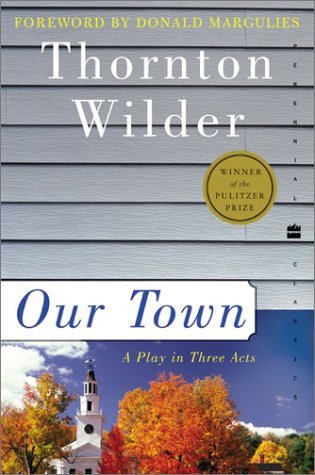
Our Town
Book Description
What if the ordinary moments of life held extraordinary meaning? In the heart of Grover’s Corners, a small town pulsates with the daily rhythms of love, loss, and the bittersweet passage of time. As the lives of neighbors intertwine, the familiar beauty of sunrise over a quiet street belies the powerful emotions brewing beneath the surface. Friends and families grapple with dreams, secrets, and the inevitable march of time, reminding us to cherish fleeting connections. Can the simplicity of everyday life teach profound lessons about existence, love, and the human spirit? Discover the magic in the mundane.
Quick Book Summary
"Our Town" by Thornton Wilder is a classic play that explores the everyday lives of the residents of Grover’s Corners, a small American town at the turn of the 20th century. Through the stories of families like the Gibbses and Webbs, Wilder highlights ordinary moments—childhood, courtship, marriage, and death—infusing them with deep philosophical resonance. Narrated by the omniscient Stage Manager, the drama invites the audience to contemplate the passage of time, the significance of community, and the universal nature of human experience. With minimal sets and direct addresses to the audience, Wilder emphasizes the beauty within life’s routine details, challenging viewers to appreciate existence and cherish meaningful connections before they fade.


Summary of Key Ideas
Table of Contents
The Beauty in Everyday Life
Set in Grover’s Corners, New Hampshire, "Our Town" unfolds over three acts, each spotlighting a stage of life: Daily Life, Love and Marriage, and Death and Eternity. The narrative begins with the bustling yet ordinary routines of townsfolk, highlighting universal experiences—school, family meals, and chores. Through these moments, the play underscores how what seem like mundane details actually shape the substance of existence and bond individuals together.
The Passage of Time
As relationships develop, the play hones in on the budding romance between George Gibbs and Emily Webb. Their courtship and eventual marriage serve not only as a dramatic centerpiece but also as a lens to examine personal dreams, youthful anxieties, and the ways family and tradition influence life choices. These scenes elevate the commonplace milestone of marriage to something deeply poignant, reflecting the complexity of human emotion within familiar rituals.
Community and Human Connection
Central to the play’s impact is Wilder’s use of the Stage Manager as narrator and guide. Breaking the fourth wall, this figure helps the audience reflect on the unfolding events, offers philosophical interludes, and reminds us that we are witnessing a universal narrative. The Stage Manager’s commentary blurs the boundaries between performance and reality, inviting self-examination of life’s value as it passes by.
Life, Death, and the Afterlife
The final act confronts mortality directly through Emily’s untimely death and her reflection upon life from the afterlife. Emily’s experience reveals the bittersweet regret of not fully appreciating life’s simple pleasures while alive—a theme that culminates in her emotional farewell to ordinary days. The portrayal of death is not just tragic; it is an invitation for gratitude toward the often-overlooked, fleeting moments that define our days.
The Limits of Human Understanding
Ultimately, "Our Town" challenges its audience to perceive extraordinary meaning in the everyday and to recognize the interconnectedness of all human lives. The play’s enduring relevance lies in its message that while life’s brevity can be painful, awareness and appreciation of each day can transform the mundane into the miraculous. Within the intimate cycles of Grover’s Corners, Wilder calls upon us all to cherish our own towns, families, and fleeting experiences.
Download This Summary
Get a free PDF of this summary instantly — no email required.