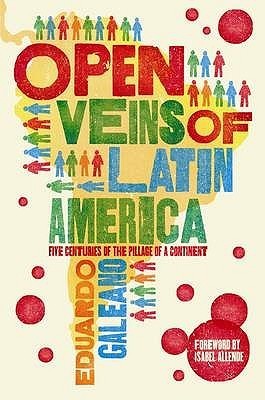
Open Veins of Latin America
Book Description
Beneath the shimmering surface of Latin America's lush landscapes lies a torrent of untold struggles and resilience. In "Open Veins of Latin America," Eduardo Galeano unveils the brutal history of exploitation and colonialism that scarred nations and forged a spirit of defiance. This passionate narrative intertwines the stories of rich cultures, powerful empires, and relentless oppression, painting a vivid tapestry of pain and hope. Each page reveals the intricate connections between past and present, urging a reckoning with the shadows that linger. What does it truly mean to seek liberation in a land burdened by its own open veins?
Quick Book Summary
Open Veins of Latin America, by Eduardo Galeano, is a powerful account of five centuries of economic and political exploitation across Latin America. Through evocative prose and rigorous research, Galeano traces the region's suffering back to the days of European colonization, illustrating how foreign powers have extracted natural resources—gold, silver, sugar, coffee, and oil—at the expense of local people and environments. The narrative links past injustices to contemporary poverty and underdevelopment, arguing that imperialism and capitalist greed have created persistent cycles of dependency. Galeano challenges readers to recognize the resilience of Latin American societies and highlights their enduring quest for self-determination. The book urges a reflection on the inequalities perpetuated by global systems of power, while honoring the hope and defiance found throughout Latin America’s history.





Summary of Key Ideas
Table of Contents
Colonial Exploitation and Resource Extraction
Eduardo Galeano begins his narrative by exposing the violence and greed that marked the first encounters between European colonial powers and Latin America. The conquest brought about systematic extraction of gold and silver, which enriched Europe while devastating indigenous communities and environments. Conquistadors and colonists enforced forced labor, creating entrenched systems of racial and social hierarchy. This initial plunder set the stage for centuries of exploitation, as the region’s natural abundance became both a blessing and a curse.
Foreign Intervention and Economic Dependency
Following independence movements, Latin America remained ensnared in structures of dependency. Foreign investment, particularly from the United States and European nations, shaped economies to benefit external interests. Commodities like sugar, coffee, bananas, and oil became export staples, but profits typically flowed out of the region, leaving local economies precarious. Galeano highlights how multinational corporations and international financial institutions maintained this unequal exchange, preventing true economic autonomy and reinforcing cycles of poverty.
Inequality and Social Struggle
Galeano details the resulting social impacts: deep-rooted inequality, marginalization, and political instability. Wealth concentrated in the hands of elites who often collaborated with foreign interests. Land reform and nationalization attempts sparked fierce resistance from powerful domestic and international actors. Military coups, dictatorships, and political repression repeatedly thwarted popular movements, perpetuating injustice and hindering social progress. This section emphasizes the human cost of systemic exploitation—displacement, repression, and the persistent fight for dignity.
Resistance and Resilience of Latin America
Despite oppression, the people of Latin America have demonstrated remarkable resilience and creativity. Galeano weaves stories of peasant uprisings, cultural renaissance, and resistance against domination. He draws attention to new currents of thought, labor movements, and visionaries who advocated for liberation. Though the “open veins” reference underscores pain and vulnerability, it also gestures towards healing—the enduring hope for justice, sovereignty, and collective humanity in the region’s ongoing journey.
In the final analysis, Galeano urges readers to recognize the interconnectedness of global systems and the moral imperative to challenge injustice. His sweeping narrative situates Latin America’s story within broader histories of exploitation and resistance, questioning dominant development paradigms. The book calls for solidarity and reevaluation of how wealth, power, and history are remembered and enacted. Ultimately, Galeano envisions a future where Latin America can heal its wounds and chart its own destiny.
Download This Summary
Get a free PDF of this summary instantly — no email required.