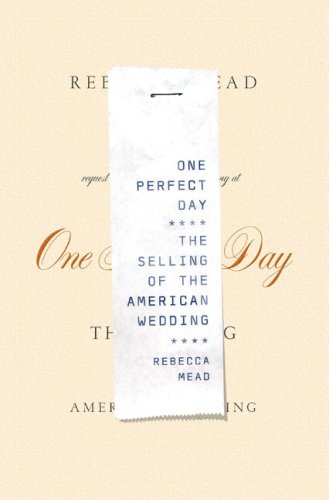
One Perfect Day: The Selling of the American Wedding
Book Description
A fairy tale unfolds at the intersection of love and commerce, where every white dress and blooming bouquet hides a story of ambition and identity. "One Perfect Day: The Selling of the American Wedding" unravels the elaborate tapestry of the wedding industry, revealing how dreams are meticulously crafted and sold. Through vivid anecdotes and interviews, Rebecca Mead exposes the intricate dance between personal aspirations and societal expectations, all while questioning the price of perfection. As couples chase the ideal celebration, what sacrifices are they making in pursuit of that elusive fairytale moment?
Quick Book Summary
"One Perfect Day: The Selling of the American Wedding" by Rebecca Mead is an incisive exploration of the modern wedding industry’s influence on cultural expectations, gender roles, and personal aspirations. Through investigative journalism and engaging narrative, Mead delves into how weddings in America have evolved from intimate family gatherings into elaborate and costly productions. By tracing the origins and strategies of key industry players—dressmakers, planners, florists, and marketers—she shows how commercial interests craft and sell the ideal of the perfect wedding. Mead’s in-depth interviews with brides, vendors, and experts reveal how dreams of romance and fulfillment are shaped, sometimes distorted, by consumerism. The book critically examines the ways these pressures impact individuals, relationships, and society at large, asking at what point the pursuit of the perfect day eclipses its true meaning.




Summary of Key Ideas
Table of Contents
The Commercialization of Weddings
Rebecca Mead begins her investigation by chronicling the transformation of weddings from primarily private, family-focused rituals to elaborate, highly commercialized spectacles. She highlights the role of the postwar boom, mass marketing, and the proliferation of bridal magazines in shaping modern expectations. With mass media and businesses fueling fantasies, weddings became big business, setting the stage for what is now a $70-billion-per-year industry in America.
Social Pressures and Gender Roles
Central to Mead’s analysis is the interplay between social pressures and traditional gender roles in the wedding narrative. She documents how brides, often cast as protagonists of the wedding story, shoulder most of the emotional and logistical burdens. Through candid interviews, Mead illustrates how women are encouraged to equate romantic fulfillment and self-worth with the ability to orchestrate a flawless event, reinforcing and sometimes challenging norms around femininity, family, and success.
The Creation and Marketing of Desire
Commercial interests further drive the proliferation of "must-have" wedding elements, from designer gowns to signature cakes and destination venues. Mead attends bridal expos and consults with planners to show how the industry manufactures need—and even anxiety—to prompt ever-greater spending. Advertising campaigns and social media create a feedback loop of aspiration, convincing couples that their celebration should be both unique and up to idealized standards, blurring the line between genuine desire and manufactured demand.
Economic Impacts on Couples and Families
The book examines the financial impact of these expectations. Mead profiles couples and families who go into significant debt to pay for one perfect day, as well as those who resist commercial pressures in favor of simpler ceremonies. She highlights the tough decisions faced as couples weigh tradition against pragmatism, and the ways in which the wedding industry both responds to and manipulates economic anxieties and aspirations.
Weddings as Cultural Performance
Finally, Mead situates weddings as a form of cultural performance, where personal love stories are staged in public for validation and memory-making. She observes how couples, in their pursuit of the fairy tale, often confront the conflict between spectacle and authenticity. Mead’s reflections prompt readers to reconsider what weddings have come to symbolize, urging them to look beneath the surface at the social, historical, and economic forces shaping the rituals of love and union.
Download This Summary
Get a free PDF of this summary instantly — no email required.