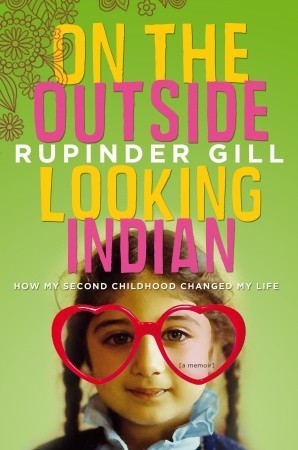
On the Outside Looking Indian: How My Second Childhood Changed My Life
Book Description
A second childhood can lead to unexpected twists, and for Rupinder Gill, it ignited a profound transformation. As the worlds of immigrant heritage and contemporary life collide, Gill navigates the chaos of cultural expectations and personal identity with humor and heart. With each poignant story, laughter dances alongside vulnerability, revealing the struggle to embrace one's roots while carving a unique path. Relationships are tested, and revelations abound as Gill confronts what it truly means to belong. What happens when the quest for identity becomes a journey of self-discovery?
Quick Book Summary
"On the Outside Looking Indian: How My Second Childhood Changed My Life" by Rupinder Gill is a candid and humorous memoir chronicling the author's experiences growing up as an Indian-Canadian in a traditional immigrant family. After a childhood shaped by strict parental expectations and cultural isolation, Gill embarks on a 'second childhood' in adulthood, determined to experience the playful freedoms she missed. With wit and warmth, she navigates the amusing challenges of balancing her Indian roots with her Canadian identity, confronting stereotypes, and seeking genuine belonging. Through poignant and often hilarious anecdotes, Gill explores the complexities of family, assimilation, and personal growth, ultimately discovering a richer sense of self by embracing both her heritage and desires.



Summary of Key Ideas
Table of Contents
Navigating Cultural Identity
Rupinder Gill reflects on her upbringing as the child of Indian immigrants in Canada, highlighting the cultural tensions that shaped her sense of self. Confined by her parents’ strict rules, especially the ban on popular North American hobbies and traditions, Gill often felt out of place among her peers. The pressures to maintain her cultural heritage while blending into Canadian society led to an ongoing identity struggle. Early chapters of her memoir describe the everyday challenges and quiet frustrations of feeling on the periphery of both cultures, rife with self-deprecating humor and sharp observations.
Second Chances at Childhood
As an adult, Gill realizes she missed out on quintessential childhood experiences, prompting her unconventional quest for a "second childhood." Determined to reclaim fun and adventure, she creates a list of activities she was forbidden as a child: learning to swim, going to camp, and having sleepovers, among others. Each escapade is recounted with candor and comedic wit, revealing both the awkwardness and liberation found in late-blooming adventures. By purposefully embracing these missed milestones, Gill discovers the value of playfulness and the possibilities of reinvention at any age.
Humor as a Tool for Resilience
Throughout her journey, humor becomes Gill’s salve and superpower, helping her make sense of the complexities of her blended identity. Laughing at her own missteps and finding irony in cultural misunderstandings allows Gill to connect not only with readers but also with her own vulnerabilities. The memoir uses wit to illuminate often-painful experiences, from being ridiculed at school lunches to facing family conflicts over tradition, transforming potential trauma into opportunities for emotional growth and connection.
Family Expectations and Individual Dreams
A significant thread in the memoir is the tension between family loyalty and personal ambition. Gill grapples with filial expectations to uphold Indian customs, even as she aspires to shape her own life path. Her relationships—with parents, siblings, and friends—are tested throughout her journey, providing moments of heartbreak, revelation, and reconciliation. Gill’s stories reveal the sacrifices and misunderstandings that often accompany immigrant family dynamics, while celebrating the small triumphs of mutual understanding and respect.
Belonging and Self-Acceptance
Gill ultimately finds that true belonging comes from authentic self-acceptance, not conforming to external standards. By reconciling her dual heritage and honoring her passions, she discovers a harmonious sense of identity. The memoir concludes with a recognition that the journey toward understanding oneself is ongoing and multifaceted. Through vulnerable storytelling and laughter, Gill invites readers to embrace their own complexities, demonstrating that a second childhood is possible—and sometimes necessary—in the adventure of becoming whole.
Download This Summary
Get a free PDF of this summary instantly — no email required.