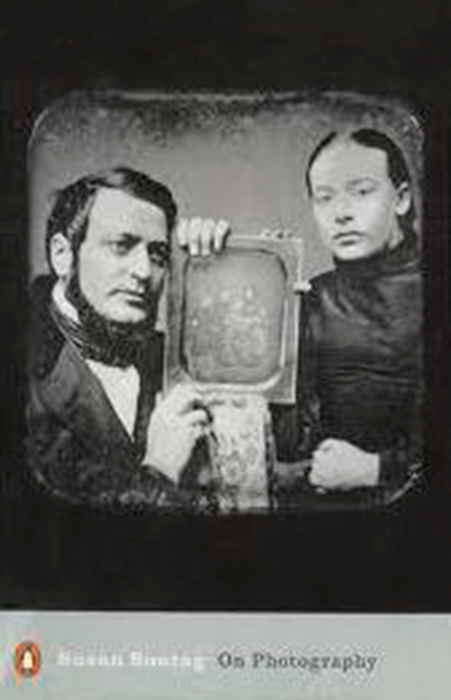
On Photography
Book Description
What if every snapshot told a story beyond perception? In "On Photography," Susan Sontag delves into the mesmerizing yet unsettling world of images, unraveling the profound impact of photography on art, culture, and our very understanding of reality. Each essay ignites a fiery conversation about the ethics of viewing, the nature of truth, and the relentless march of documentation. Sontag’s piercing insights challenge the viewer's complacency and expose the intricate dance between visibility and obscurity. As visual culture bombards us, how do we discern meaning amid the chaos of pictures?
Quick Book Summary
In "On Photography," Susan Sontag presents a collection of essays that rigorously examine the power, meaning, and consequences of photography in modern society. Sontag explores photography as both art and evidence, delving into its roles as a form of surveillance, a tool of control, and a means of democratizing vision. She interrogates the relationship between photographer and subject, highlighting ethical dilemmas and the inherent subjectivity in seemingly objective images. Sontag reflects on how an overabundance of images can numb us to reality, shaping not just our memories but our desires and understanding of the world. Challenging the viewer’s passive consumption of images, Sontag calls for greater awareness of the complexities embedded in photographic representation, making "On Photography" a seminal work in the criticism and philosophy of visual culture.




Summary of Key Ideas
Table of Contents
Photography as Interpretation and Evidence
Sontag begins her exploration by questioning photography's claim to objectivity. She asserts that every photograph is an interpretation, guided by the photographer’s intentions and cultural context. While photographs are often treated as evidence, Sontag argues that they select, frame, and distort reality as much as they reveal it. This inherent subjectivity means photography always tells a partial story, inviting viewers to question the relationship between image and truth.
The Ethics of Viewing and Representing Others
The ethical dimensions of photography become a central concern for Sontag. She probes the responsibilities of both photographer and viewer, particularly when images portray suffering or vulnerable subjects. Sontag warns that photography can exploit or aestheticize pain, raising moral dilemmas about consent, voyeurism, and the power imbalance between those behind and in front of the camera. The question of whether such images foster empathy or desensitization sits at the heart of her critique.
The Proliferation and Saturation of Images
Sontag reflects on the unprecedented proliferation of images in modern life. With cameras ubiquitous and photography accessible, societies experience a visual saturation that deeply affects perception. Sontag contends that this abundance breeds both familiarity and apathy, as viewers become flooded with images to the point of numbness. Images are easily consumed, collected, and forgotten, diluting their impact and depth.
Photography’s Influence on Memory and Reality
Memory and reality are profoundly shaped by photographic practice, according to Sontag. Photographs freeze moments, allowing viewers to possess memories but also encouraging selective recall that can supplant genuine experience. Sontag observes that our collective sense of reality is increasingly constructed by the photographic record. The boundaries between lived experience and its visual documentation grow blurred as photographs become surrogates for memory itself.
The Power Dynamic between Photographer, Subject, and Viewer
The dynamic between photographer, subject, and viewer is a recurrent theme throughout 'On Photography.' Sontag unveils how the act of photographing bestows power—controlling how the subject is seen, what stories are told, and how meaning is interpreted. This triangle forms a complex interplay of agency, vulnerability, and authority. By exposing the latent power in every snapshot, Sontag compels audiences to question their own roles as creators and consumers of visual culture.
Download This Summary
Get a free PDF of this summary instantly — no email required.