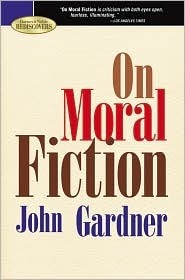
On Moral Fiction
Book Description
What is the true essence of moral storytelling? In "On Moral Fiction," John Gardner plunges into the heart of creativity, challenging the very fabric of what fiction can and should achieve. As he dissects the interplay between morality and art, Gardner reveals the powerful stakes behind every word penned. With fierce conviction, he argues that literature must be a force of good, a beacon of hope in a chaotic world brimming with ambiguity and ethical dilemmas. Can stories transcend mere entertainment and transform lives? The answer lies within these thought-provoking pages, inviting a deeper look at the stories that shape us.
Quick Book Summary
"On Moral Fiction" by John Gardner is a passionate and incisive exploration of the artist's ethical responsibility and the role of fiction in society. Gardner asserts that true art must be moral, striving to present and explore values that elevate humanity and nurture the good. He critiques contemporary literature for often embracing cynicism and nihilism, arguing instead for stories that thoughtfully engage with the authentic struggles of human life and affirm hope, growth, and truth. Gardner believes that fiction, at its best, changes lives, guiding readers toward clarity and nobility of spirit. He challenges writers and critics alike to reflect on the morality embedded in their narratives and to value the transformative power of storytelling.


Summary of Key Ideas
Table of Contents
The Responsibility of the Artist
Gardner begins by confronting the crucial question: What, if anything, is the moral duty of the artist? He insists that true art is not amoral or self-serving, but proceeds from an earnest searching for the good. By drawing on philosophical, artistic, and personal sources, Gardner maintains that storytellers face a moral imperative to seek out and embody values that uplift and clarify what it means to live well. He sees the artist as a force whose work can affirm meaning and instill integrity in both individual and culture.
The Definition and Role of Moral Fiction
Central to Gardner’s thesis is his definition of moral fiction. He argues that fiction earns the label "moral" when it seriously and sincerely examines questions of value and goodness. According to Gardner, such writing does not preach or moralize overtly, but rather invites readers to grapple with ambiguity and strive for insight. True moral fiction, he maintains, helps readers discern what it means to live rightly, moving beyond mere entertainment or escapism to become a tool for moral reflection and growth.
Critique of Contemporary Literature
Gardner critiques much of contemporary literature for indulging in cynicism, nihilism, or irony without offering anything constructive in return. He laments the prevalence of art that shocks or amuses but shrinks from engaging with substantial moral questions. Through examples, he illustrates how many modern writers have lost sight of literature’s higher calling. For Gardner, art that merely mirrors despair or confusion betrays its greatest purpose—to provide hope, clarity, and a vision of possible goodness, even amid complexity.
The Writer’s Quest for Truth
The quest for truth, Gardner insists, is at the heart of every great writer’s endeavor. He argues that authentic fiction grows out of a rigorous honesty, where the writer continually tests and refines their understanding of right and wrong within the context of realistic human experience. This honesty does not exclude darkness or suffering, but incorporates them into a larger tapestry that pursues wisdom. For Gardner, the fearless examination of life’s challenges and paradoxes is itself a moral act.
The Transformative Power of Art
Ultimately, Gardner celebrates the transformative power of art, especially fiction, to affect human hearts and minds. He believes that stories possess the capacity to heal, inspire, and challenge societies, gradually shaping cultural values for the better. In his view, the writer’s task is to create works that are not simply beautiful or clever, but that actively contribute to the common good by deepening readers’ moral awareness. Gardner’s enduring message is that literature matters—because it can change lives.
Download This Summary
Get a free PDF of this summary instantly — no email required.