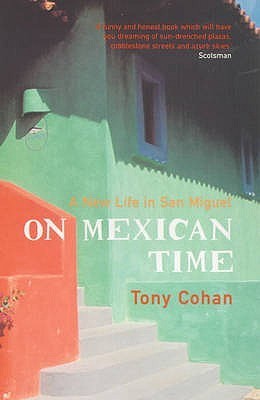
On Mexican Time: A New Life in San Miguel
Book Description
A vibrant tapestry of color, culture, and unexpected encounters unfolds as Tony Cohan trades his fast-paced American life for the slow rhythms of San Miguel de Allende. Amidst the backdrop of cobblestone streets and rich traditions, his journey reveals the struggles of adaptation and the beauty of connection with a community steeped in warmth and artistry. As friendships blossom and challenges arise, Cohan navigates the delicate balance between his past and a hopeful new future. Will he find true belonging in this enchanting place, or will the pull of his old life prove too strong to resist?
Quick Book Summary
On Mexican Time: A New Life in San Miguel chronicles Tony Cohan’s transformative experience after leaving the hustle of his Los Angeles lifestyle to settle in the colonial Mexican town of San Miguel de Allende. Immersed in the region’s brilliant colors, rustic architecture, and vibrant local customs, Cohan relates his challenges and triumphs as he and his wife reconstruct an old home and build new friendships. The memoir explores the process of adapting to a slower pace of life and finding fulfillment in authentic community connection. Through vivid storytelling, Cohan weaves themes of self-discovery, cultural assimilation, and the tension between old habits and new beginnings, ultimately highlighting the joys and complexities of forging a sense of belonging in a foreign, enchanting place.




Summary of Key Ideas
Table of Contents
Adapting to a New Pace of Life
Tony Cohan’s journey begins with a longing for an escape from his frenetic American existence. The allure of San Miguel de Allende—its old-world charm, cobbled streets, and vibrant artistry—beckons him and his wife to search for a quieter yet richer existence. When they purchase and begin renovating a centuries-old house, they are thrust into the rhythms of Mexican life: early-morning church bells, lively fiestas, and the ever-present sense of time that moves at its own, unhurried pace. This initial stage sets the tone for a shift in values, as Cohan confronts both the beauty and the frustrations of cultural difference.
The Intricacies of Building Community
Building connections within the San Miguel community becomes a pivotal part of Cohan’s experience. He describes encounters with local artisans, expatriates, and neighbors, each relationship shaped by language barriers, cultural norms, and mutual curiosity. The process of integrating into this close-knit society—learning to communicate, understanding subtle forms of etiquette, and participating in local celebrations—reveals both the warmth of Mexican hospitality and the effort required to truly belong. Friendships develop, often unexpectedly, forming a support network as vital as the bricks and mortar of their renovated home.
Cultural Immersion and Artistic Discovery
Life in San Miguel brings with it an immersive artistic and sensory experience. Cohan delights in the city’s artistic traditions—its music, murals, fiestas, and daily rituals. Inspired by both the landscape and its people, he finds himself rediscovering his own creativity and sense of wonder. The city’s pace encourages reflection and observation, allowing him to attune himself to details of everyday life: the scent of spices in the market, the cadence of Spanish, and the layers of history embedded in the town’s architecture and customs. These experiences weave art and culture into the fabric of daily living.
The Struggle Between Nostalgia and Belonging
Despite the enchantment, Cohan grapples with nostalgia and the occasional pull of his old life. Adapting fully means letting go of certain comforts, familiar routines, and expectations cultivated in the U.S. The book candidly explores these moments of doubt, culture shock, and the recurring urge to compare or retreat. Yet, with each challenge, Cohan becomes more aware of what he is gaining—slowness, mindfulness, connection—and how those outweigh what he’s giving up.
Personal Transformation through Change
Ultimately, Cohan’s memoir is about personal transformation inspired by change. The extended sojourn in San Miguel reshapes his priorities and identity. He comes to understand that belonging isn’t just a matter of residency, but of participation, openness, and acceptance. The joys and frustrations of adapting to a new culture become gateways to deeper self-knowledge and contentment. By embracing the rhythms of "Mexican time," Cohan discovers a renewed sense of purpose, connection to others, and appreciation for the art of living.
Download This Summary
Get a free PDF of this summary instantly — no email required.